
Last updated October 17, 2026
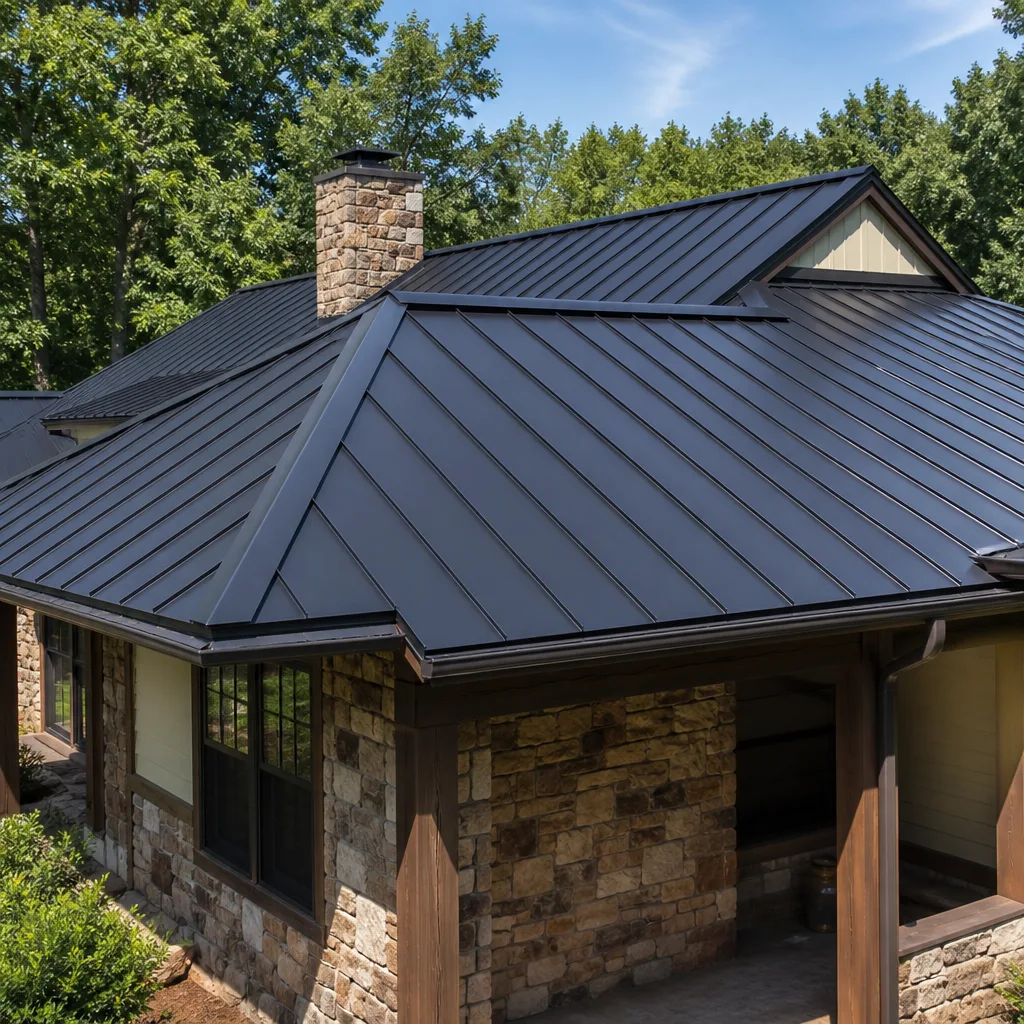 Metal roofing
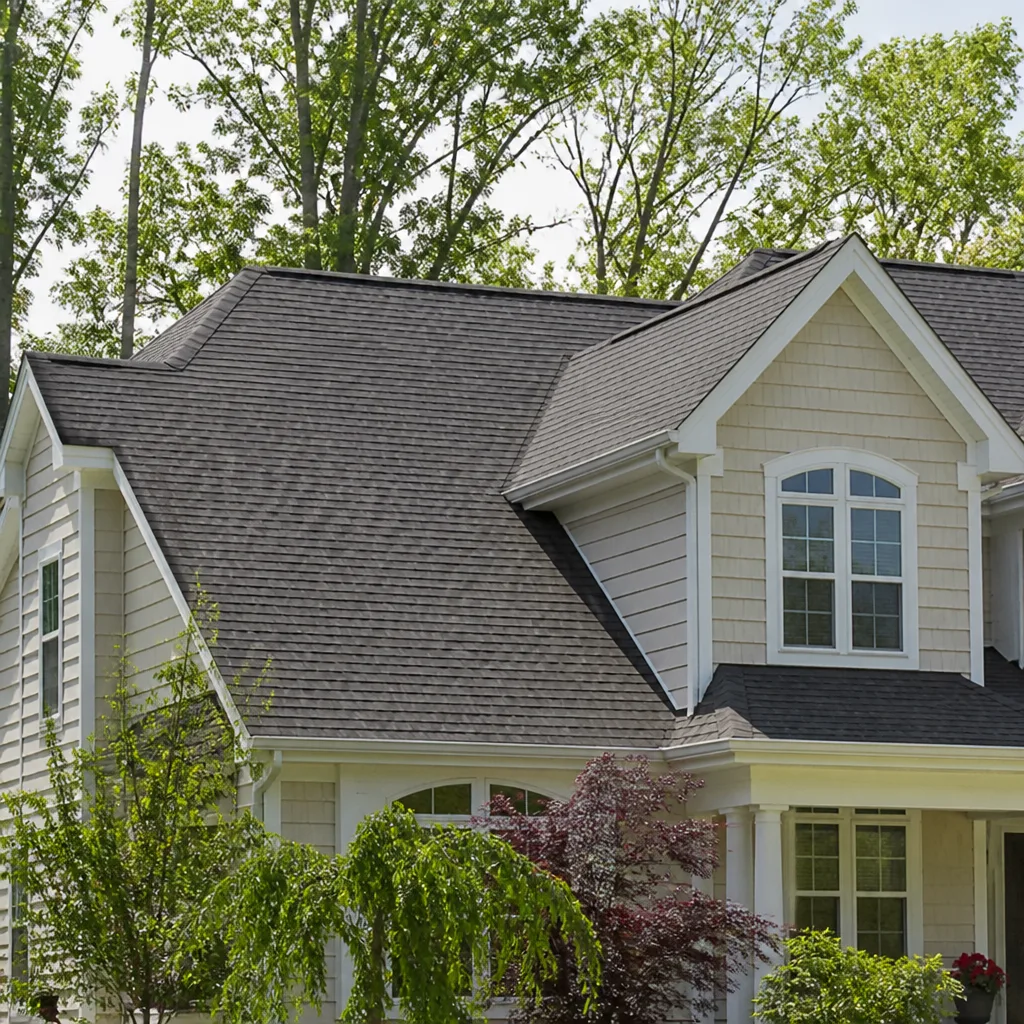 Architectural shingles
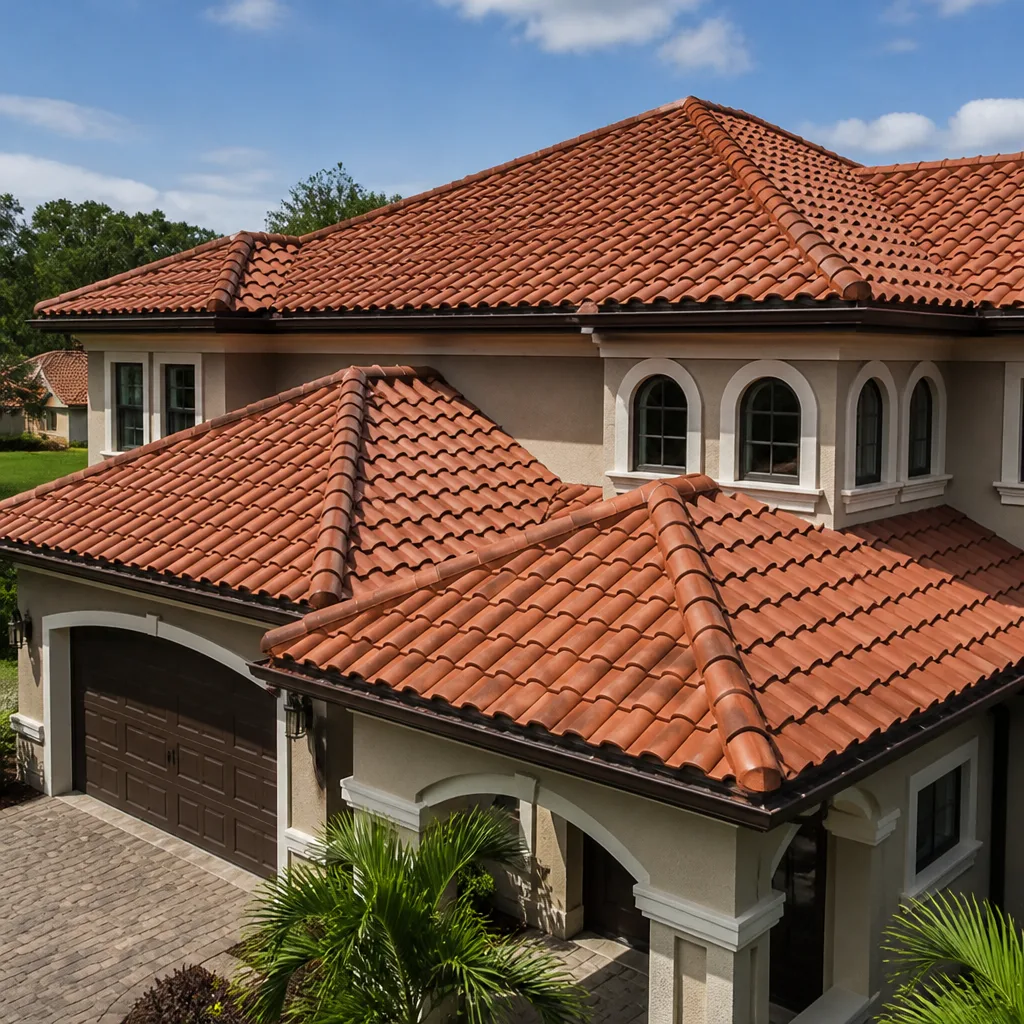 Tile roofing
 GAF
GAF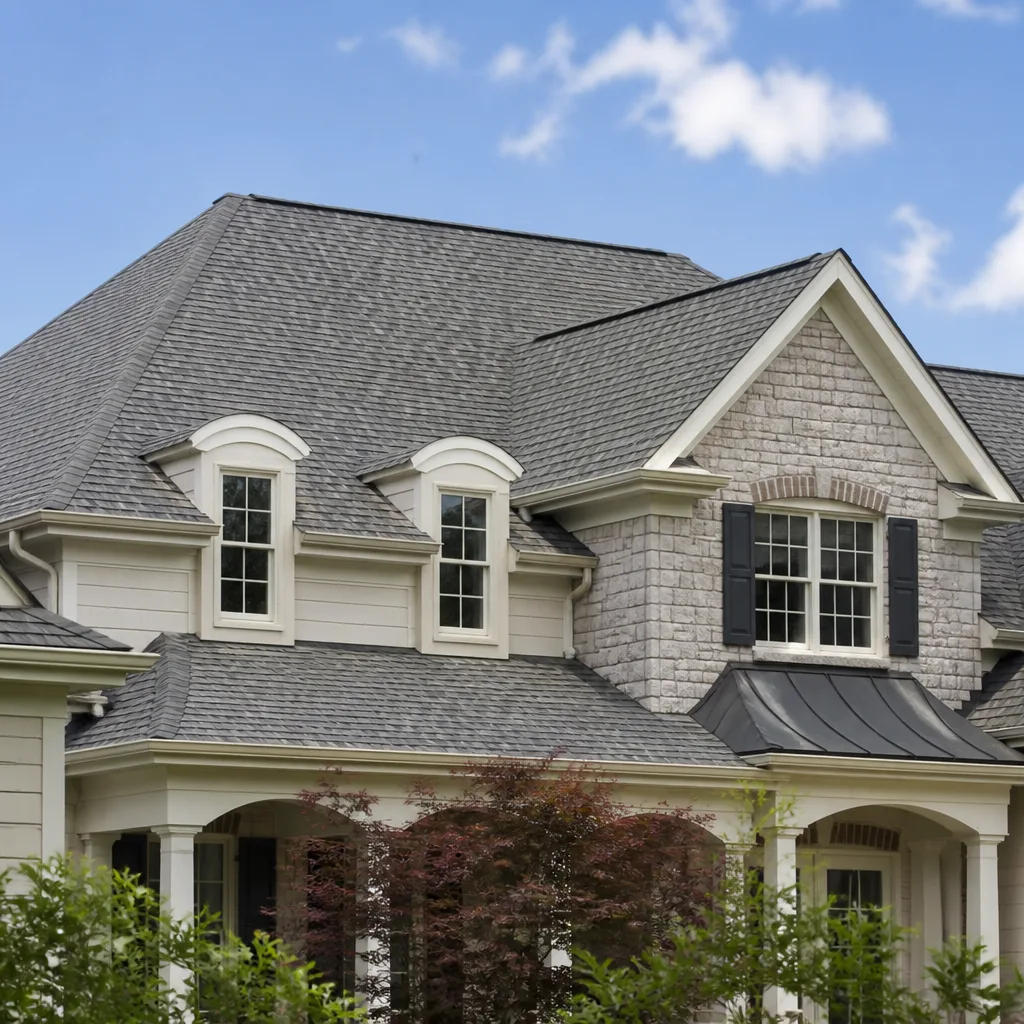 Owens Corning
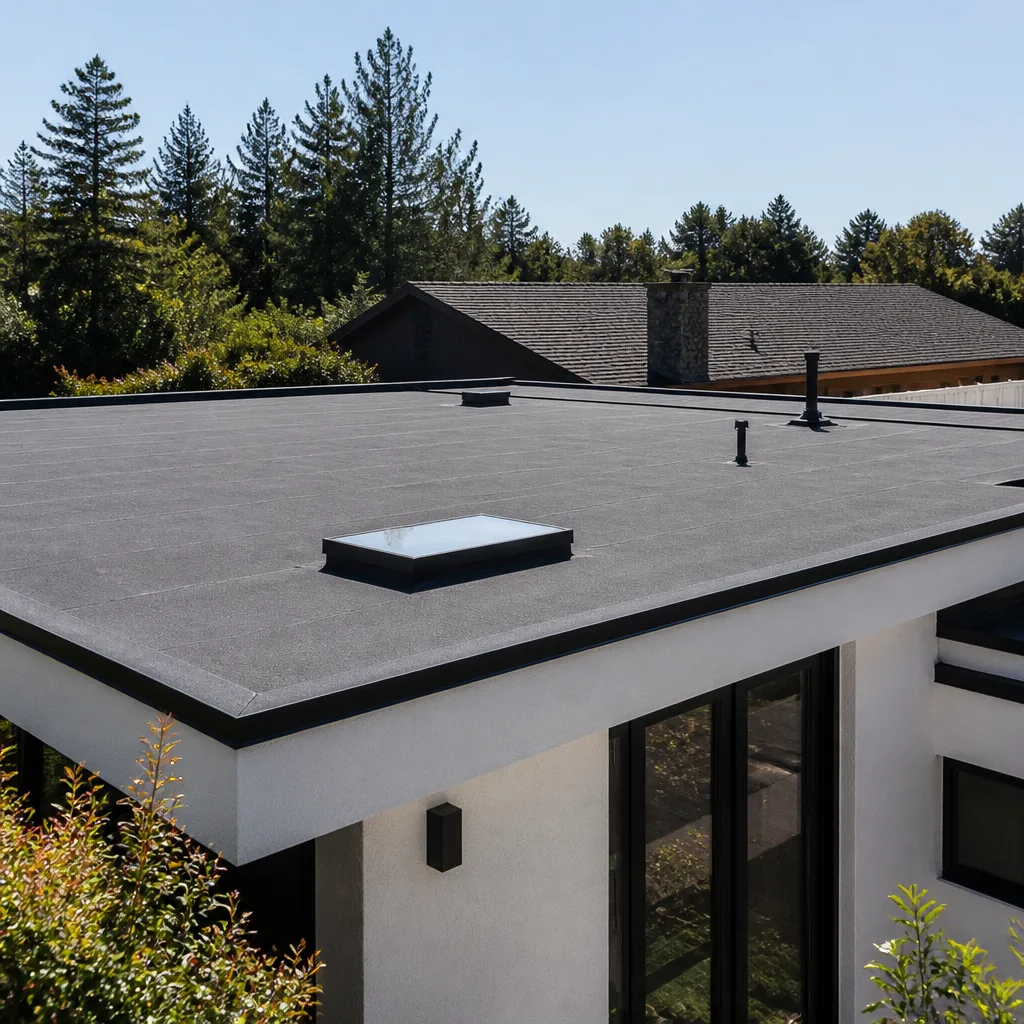 Flat & low-slope
Free roof inspection with deck photos before we talk money - GAF and Owens Corning certified installation
Roofing Permits, Codes & Inspections in TX: What You Need to Know
Skip the permit on a reroof in Dallas and the city can force you to tear it off. That’s not a scare tactic; it’s a real process called a stop-work order, and it lands on roofs every month. But the bigger financial hit usually comes later, when a home sale stalls because the title search found unpermitted work, or an insurer denies a claim because the policy’s “illegal construction” clause kicked in. This guide walks through exactly what Dallas requires, why the permit protects the homeowner rather than the city, and where most contractors cut the corner you end up paying for. For broader context, see The Complete Guide to Roofing in Dallas.
Styles & brands we work with
Quick Answer
In Dallas, a full roof replacement requires a building permit from Dallas Development Services, and the work must pass a city inspection before the job is closed. Like-for-like repairs under one square (100 square feet) usually don’t need a permit, but any structural decking replacement or change in roof type does. The permit costs less than 1% of a typical reroof and verifies the work meets Dallas wind-uplift and decking standards adopted through the IRC.
Table of Contents
- When Dallas Requires a Roofing Permit
- Why Texas Cities Differ on Roofing Codes
- The Dallas Amendments: Wind, Decking, and Drip Edge
- The Dallas Roof Inspection Process, Step by Step
- What Unpermitted Work Does to Your Insurance
- How to Verify Your Contractor Actually Pulled the Permit
- What Roofing Permits Cost and How Long Approval Takes
- Common Mistakes to Avoid
- When to Call a Professional
- Frequently Asked Questions
- The Bottom Line
When Dallas Requires a Roofing Permit
Here’s the rule in plain language: if you’re replacing the entire roof covering on a residential structure in Dallas, you need a permit. That includes tearing off old shingles and installing new ones, changing from one roof type to another (say, composition shingles to a standing-seam metal roof), or replacing roof decking during the job. The City of Dallas enforces this through Dallas Development Services, and the requirement applies to any structure meeting the definition of a one- or two-family dwelling under the city’s adopted code.
What doesn’t need a permit: small, like-for-like repair work. If a windstorm tore off a few shingles in Lakewood and your roofer is replacing them with the same material, that’s ordinary repair. Dallas uses a practical threshold: repairs under approximately 100 square feet (one roofing square) that do not alter the roof structure, change the roof sheathing, or modify the roof’s drainage typically do not trigger the permit requirement. But here’s the part that trips homeowners: if your roofer is replacing decking because the old plywood is water-damaged, that is a structural change. That needs a permit, even if you’re only working on half the roof.
Verify the current threshold at your local roofing company’s guidance page or call Dallas Development Services directly. The threshold has shifted over the years, and the permit counter is where you get the answer from the source, not from the contractor trying to sell you a no-permit job at a lower price.
Why Texas Cities Differ on Roofing Codes
Texas is a home-rule state. That means the legislature in Austin sets a baseline, but cities with more than 5,000 residents can write their own building codes, adopt amendments, and enforce them locally. In practice, Dallas, Plano, Garland, and Fort Worth each administer roofing permits differently. A crew that pulls permits correctly in Plano may not have applied for a single permit in Garland, because Garland’s threshold, fees, and amendment structure don’t match Plano’s. A homeowner in Dallas hiring a contractor based in Plano should not assume that contractor knows Dallas amendments. The cities are 20 miles apart and their code books don’t line up.
Texas does adopt the International Residential Code (IRC) at the state level, but the adoption is a baseline. Local amendments stack on top. Dallas has amended the IRC in ways that directly affect roofing: wind-uplift requirements tied to the region’s wind speeds, decking attachment standards, and underlayment specifications that differ from the base IRC. This matters because a roof built to the base IRC in an unamended jurisdiction may not pass a Dallas inspection. The inspector is not checking “shingle quality.” The inspector is checking whether the roof is attached to the house the way Dallas says it must be.
That’s why the permit is a homeowner protection, not a bureaucratic box. The permit ties the work to a specific code version and a paper trail. When the work passes final inspection, you have a record that your roof was built to Dallas’s current wind standards. Without it, you have a roofer’s word and a receipt.
The Dallas Amendments: Wind, Decking, and Drip Edge
Dallas sits in a wind zone that changes how roofs get attached. The city has amended the IRC to require specific fastener patterns, enhanced decking attachment, and underlayment details meant to keep the roof on the house during the high-wind events North Texas sees in the spring. For help spotting trouble early, read Roofing Warning Signs: A Dallas Homeowner’s Reference Guide. If you drive through Preston Hollow after a hail-and-wind storm, you’ll see roofs that failed at the corners or along the eaves. That’s typically a nailing pattern problem, not a shingle problem.
Here’s what the Dallas amendments address in practical terms:
- Decking attachment: Dallas requires roof sheathing or decking to be fastened to the framing at a specific nail spacing in certain wind zones. In many areas of the city, that spacing is tighter than the base IRC calls for.
- Wind-uplift fastening: The shingle manufacturer’s high-wind application instructions become mandatory, not optional. For GAF, CertainTeed, Tamko, and Boral products, that often means more nails per shingle than the standard four, particularly at rakes and ridges.
- Drip edge: Dallas requires metal drip edge at eaves and rakes. Some jurisdictions let you skip it or use a substitute; Dallas does not. The inspector checks for it.
- Underlayment: Dallas specifies the minimum underlayment type and attachment. Over thin, brittle, or incorrectly fastened underlayment, even a premium shingle fails early because the base layer moves with the wind.
These amendments stack on top of the manufacturer’s own warranty requirements. When a roofer in Dallas tells you they can save money by skipping drip edge or using fewer nails, they’re offering you a roof that violates local code and voids the manufacturer’s warranty in the same motion. The roof replacement process in Dallas done properly accounts for all of these details before the first bundle comes off the truck.
The Dallas Roof Inspection Process, Step by Step
The City of Dallas inspection flow is straightforward if you know what to expect. Here’s how it works, in order:
- Permit application: Your contractor submits a building permit application to Dallas Development Services with a description of the work. For a reroof, the city typically issues the permit within a few business days.
- Permit posting: The permit must be posted on the property while work is underway. If it’s not visible, the inspector can flag the job.
- Work begins: The crew tears off the old roof, addresses decking, installs underlayment, drip edge, and shingles. The inspector does not watch the crew work. The inspection happens at specific stages.
- Inspection request: The contractor calls in the inspection when the roof reaches the stage the permit specifies. In Dallas, most reroofs require a final inspection; some decking replacements also require an in-progress inspection before the shingles go on.
- Inspector visit: A city inspector arrives, checks the decking attachment, underlayment, drip edge, and shingle fastening against the Dallas amendments, then either approves the job or issues a correction notice.
- Correction and re-inspection: If corrections are required, the contractor fixes them and calls for re-inspection. Repeat until the job passes.
- Final approval: The permit is closed. You now have a documented, passing record with the city.
The approval timeline varies by workload, but a clean reroof inspection in Dallas often passes on the first visit when the roofer knows the local amendments. Failures usually come down to three things: missing drip edge, underlayment not fastened to spec, or the wrong nail count on the shingle per the manufacturer’s high-wind chart. In our experience, the contractors who fail Dallas inspections are the ones who price the job as if Dallas amendments don’t exist.
What Unpermitted Work Does to Your Insurance
Most Texas homeowners policies contain a clause that voids coverage for damage caused by or related to work done without required permits. It’s usually buried in the “concealment or fraud” or “duties after loss” section, but the result is the same: if a storm rips off half your roof and the adjuster discovers the roof was replaced without a Dallas permit, the insurer can deny the claim. Not reduce it. Deny it.
Here’s the sequence that happens on the ground: a hailstorm hits Rowlett or Carrollton. You file a claim. The adjuster climbs up, inspects damage, and asks for documentation on the roof’s installation. You provide the receipt from the contractor. The adjuster checks Dallas permit records and finds nothing. The carrier pulls the policy language, points to the unpermitted work clause, and closes the claim. You’re now facing a five-figure roof replacement with no insurance payout.
This isn’t rare. After the big hail years in North Texas, adjusters get explicit training on checking permit records for recent roof work. It’s one of the first things they look for because it’s cheap to verify and it closes claims fast. The permit is your paperwork proving the work was legal. Without it, your insurer has an exit and they will use it.
The same issue shows up at resale. A title search that reveals unpermitted reroofing can block financing. Buyers’ lenders increasingly ask for permit closure documents on major improvements. When the seller can’t produce them, the deal stalls, and the seller either drops the price or pays to pull an after-the-fact permit, which Dallas charges at a premium and requires an inspection of work that’s already buried under shingles.
How to Verify Your Contractor Actually Pulled the Permit
The right time to check the permit is before the first shingle goes on, not after the job is done. Here’s the verification flow that protects you in Dallas:
- Ask for the permit number in writing. The contractor should provide it on the proposal or a pre-work confirmation. If they stall, that’s your answer.
- Look it up online. Dallas Development Services maintains an online permit lookup. Type in the address or the permit number and verify it’s active and tied to the correct property.
- Check the allowee is your contractor. The permit should list the licensed contractor’s name, not a shell entity or a subcontractor you’ve never heard of.
- Confirm the scope matches the work. The permit should say roof replacement, not roof repair, if that’s what’s happening. Contractors sometimes pull a cheap repair permit and do a full replacement under it.
- Ask for the final inspection record at the end. A closed permit with a passing inspection is the real proof. An open permit with no inspection is almost as bad as no permit.
A contractor who says “we don’t pull permits but we’ll fix anything if it fails” is asking you to absorb the insurance and resale risk. The contractor saves a few hundred dollars and a couple of phone calls. You carry the exposure. The roof repair work in Dallas we handle always carries a permit when the scope of work requires one, because the paper trail protects the homeowner more than anyone else.
What Roofing Permits Cost and How Long Approval Takes
Roofing permit fees in Dallas run roughly $50 to $250 for most residential reroofs, depending on the job’s valuation and the city’s current fee schedule. That’s a rounding error on a roof replacement that costs $12,000 to $25,000 on a typical 2,200-square-foot Dallas home. The expensive part isn’t the permit; it’s the corrections if the work fails inspection, and it’s the after-the-fact permit if you get caught later, which runs a multiple of the standard fee and requires exposing work that’s already been covered. Stay ahead of this with Seasonal Roofing Care for Dallas: Year-Round Homeowner’s Guide.
Approval time for a straightforward reroof permit in Dallas typically runs a few business days. Storm season can stretch that. The contractor submits, the city processes, and the permit issues electronically in most cases. The inspection itself gets scheduled within a day or two of the call-in, depending on inspector load. A clean final inspection closes the permit that afternoon.
The timeline that surprises homeowners is the correction loop. If the inspector fails the first visit, the contractor fixes the issue, calls for re-inspection, and waits again. Each cycle costs time and, depending on the contractor’s contract, possibly money. The way to avoid the loop is to hire a roofer who builds to Dallas amendments from the first nail. The material choice matters here, too. Options from GAF, CertainTeed, and Boral all have high-wind application specs that align with Dallas requirements when installed correctly. The cheapest bid usually isn’t the one that matches those specs.
Common Mistakes to Avoid
- Trusting a verbal “we pulled the permit.” Without a permit number verifiable on the Dallas Development Services portal, you have a story, not a permit. Get the number in writing before work starts.
- Confusing “registered” with “permitted.” A contractor can be registered with the state and still skip city permits. The two systems don’t talk to each other.
- Accepting a “repair” permit for a full replacement. This is a shortcut contractors use to save a little money. When the city or your insurer checks, the documents say repair while the roof says replacement. That mismatch is a problem.
- Skipping the final inspection. An open permit is a line item on a future title report. Close it. Get the final approval in writing.
- Buying the cheapest bid without checking permit costs. The low bid often assumes no permit and no Dallas amendments. You’re not saving money; you’re buying risk at a discount.
- Letting the roofer choose the decking without you knowing. Dallas amendments specify decking attachment. The wrong attachment fails inspection, and the fix requires opening the roof again.
- Not matching the material to Dallas wind requirements. Premium shingles from Tamko or Boral installed with the standard four nails per shingle won’t meet Dallas wind-uplift requirements in many parts of the city. The manufacturer’s high-wind chart controls.
When to Call a Professional
If you’re replacing a roof in Dallas, hiring a contractor who knows the local amendments and pulls permits as standard practice is the most reliable way to avoid the claims, resale, and correction-cycle problems this guide covers. You’ll know it’s time to call a roofing professional when your roof is past its service life, when a storm has caused visible shingle loss or decking exposure, or when you need documentation that the work was done to code for a refinance or sale. Tilehurst Roofing Dallas offers free estimates in Dallas, and we walk every job through the permit and inspection process from the first written price to the final closed permit. Call (903) 499-4275 for a no-obligation estimate. The Tilehurst Roofing Dallas home page has more on how we structure roof work so the paperwork is never an afterthought.
Frequently Asked Questions
Yes. A full roof replacement in Dallas requires a building permit from Dallas Development Services, and the work must pass a city inspection. If the replacement includes new roof decking or a change in roof type, the permit requirement applies even to partial replacements.
Call (903) 499-4275 and we’ll confirm the current Dallas requirement for your specific scope of work.
Most residential roofing permits in Dallas run between $50 and $250 depending on the job’s valuation. The permit fee is a small fraction of the total reroof cost, and the after-the-fact penalty for unpermitted work is several times the standard fee. Call (903) 499-4275 for a written price that includes the permit line item.
The inspector checks decking attachment, underlayment type and fastening, drip edge installation, and shingle nailing against Dallas amendments to the IRC. The inspection is not about aesthetics; it’s about wind resistance and drainage. A roof that meets the manufacturer’s standard installation but ignores Dallas amendments can fail inspection.
It’s legally possible, but lenders increasingly require permit closure records for major improvements, and title searches flag unpermitted work. The sale can stall, the buyer can demand a price reduction, or you may be forced to pull an after-the-fact permit that costs more and requires invasive inspection of covered work.
Most Texas homeowners policies carry language that allows the insurer to deny a claim for damage related to work done without required permits. If a storm damages an unpermitted roof and the adjuster verifies the permit gap, the claim can be denied in full, leaving you to pay for the replacement out of pocket. Call (903) 499-4275 to check your roof’s permit status before you file a claim.
Small, like-for-like repairs under approximately one roofing square (100 square feet) generally don’t require a permit in Dallas. But if the repair involves replacing decking, changing roof type, or altering drainage, the permit requirement applies. When in doubt, verify with Dallas Development Services before work starts.
The Bottom Line
Dallas roofing permits exist to document that your roof meets the city’s wind, decking, and drainage standards. They cost less than the correction work that follows a failed inspection, and they protect your insurance claim and resale value in ways that only become clear when something goes wrong. Texas cities write their own rules, so a roofer who permits work correctly elsewhere may skip it in Dallas unless you verify. Confirm the permit before the first shingle goes up, confirm the final inspection before you pay the last check, and keep the closed permit record with your house documents. For the exact current requirements your roof faces, call Greg Holloway and the team at Tilehurst Roofing Dallas at (903) 499-4275 for a free estimate.
Written by Greg Holloway, Owner at Tilehurst Roofing Dallas, serving Dallas since 2000. Browse more guides & resources.
See the difference
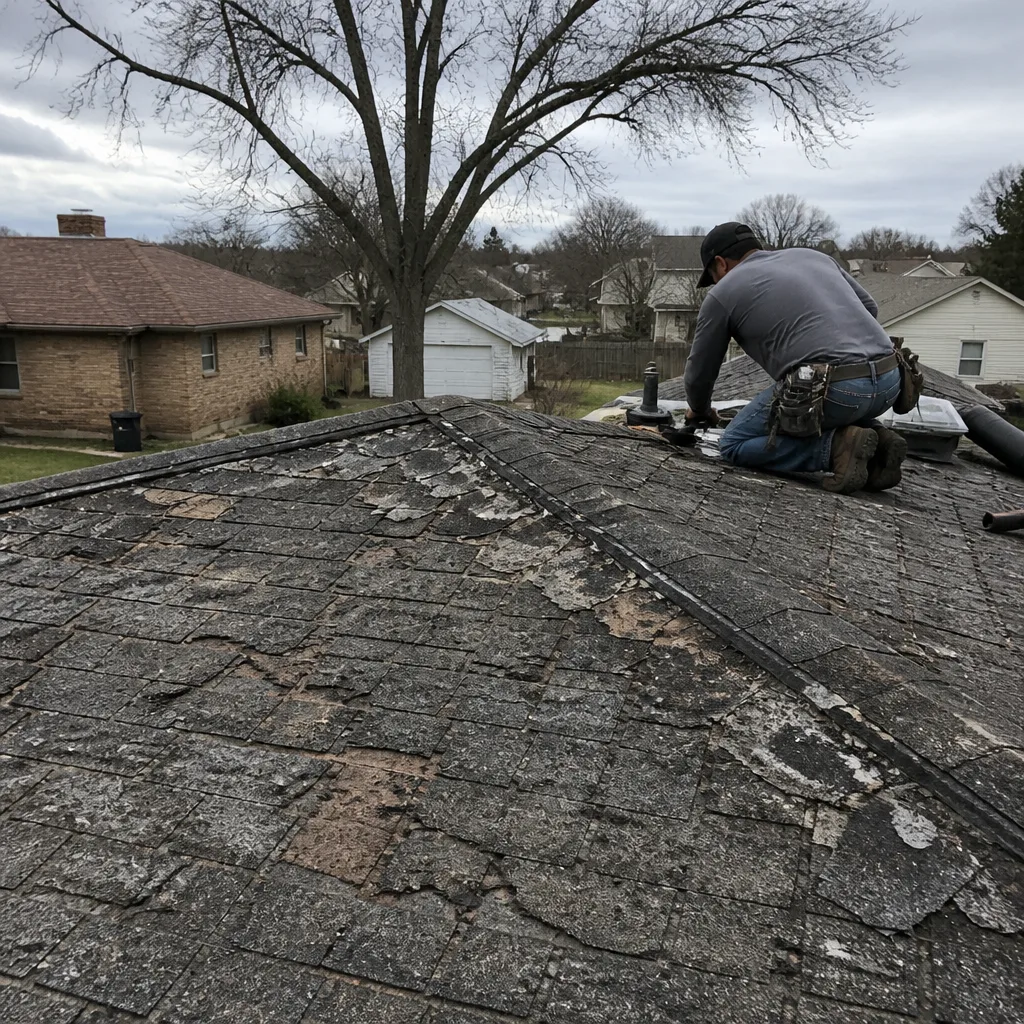 Before
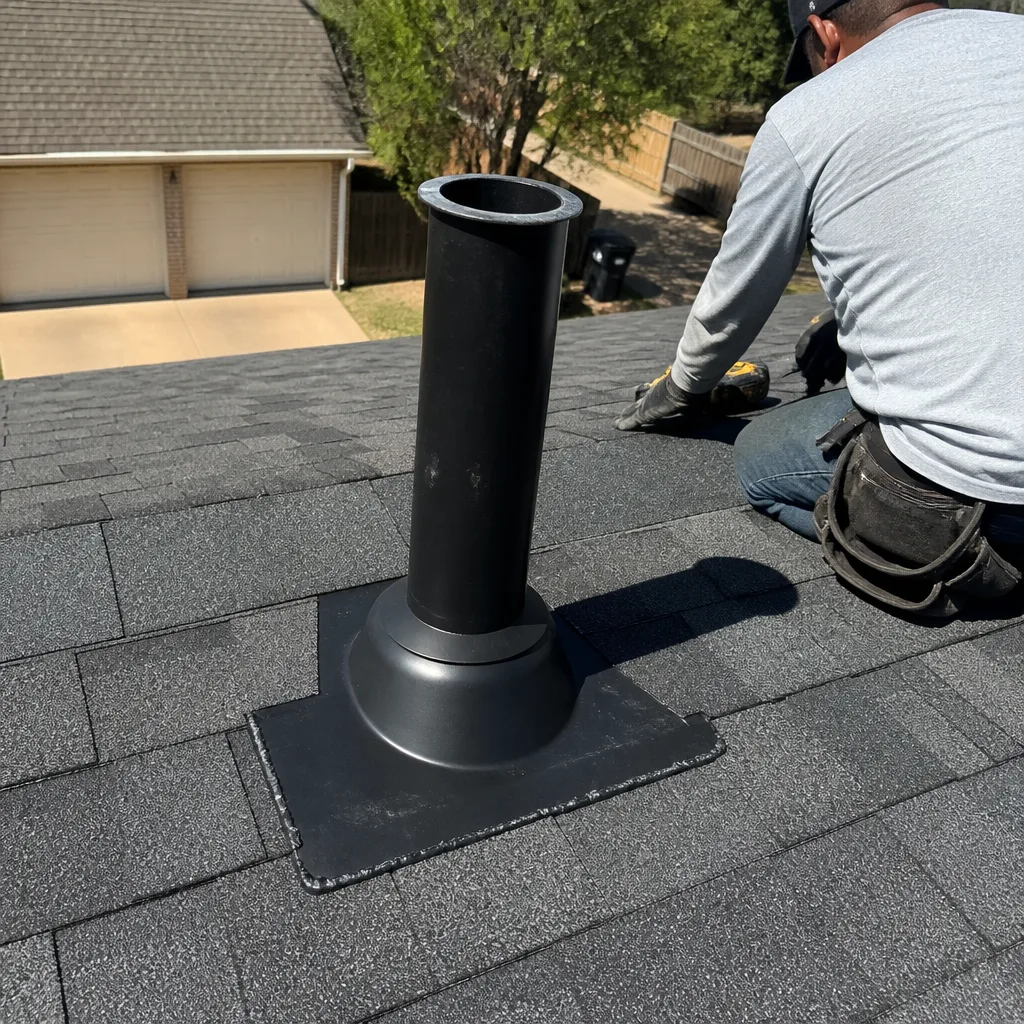 After
After Before
 After
After Before
 After
After