
Last updated October 17, 2026
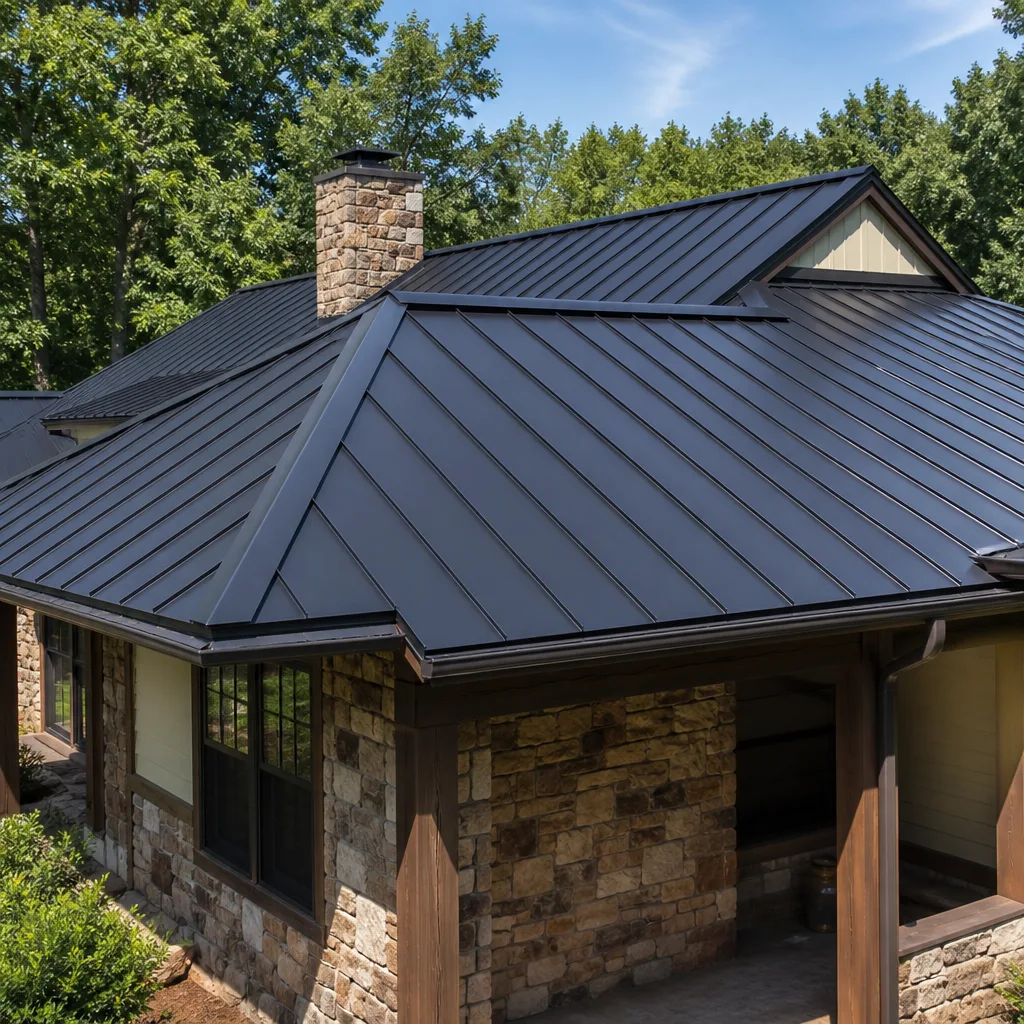 Metal roofing
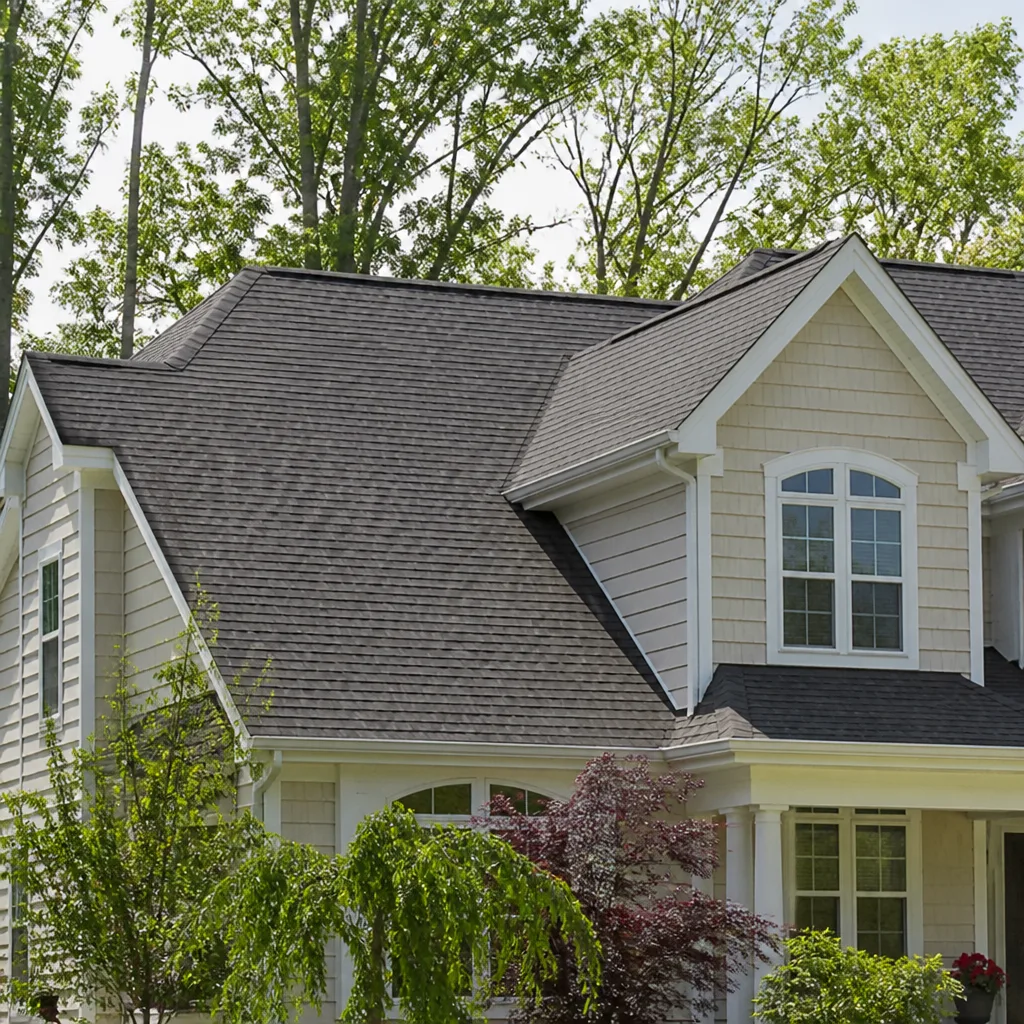 Architectural shingles
 Tile roofing
 GAF
GAF Owens Corning
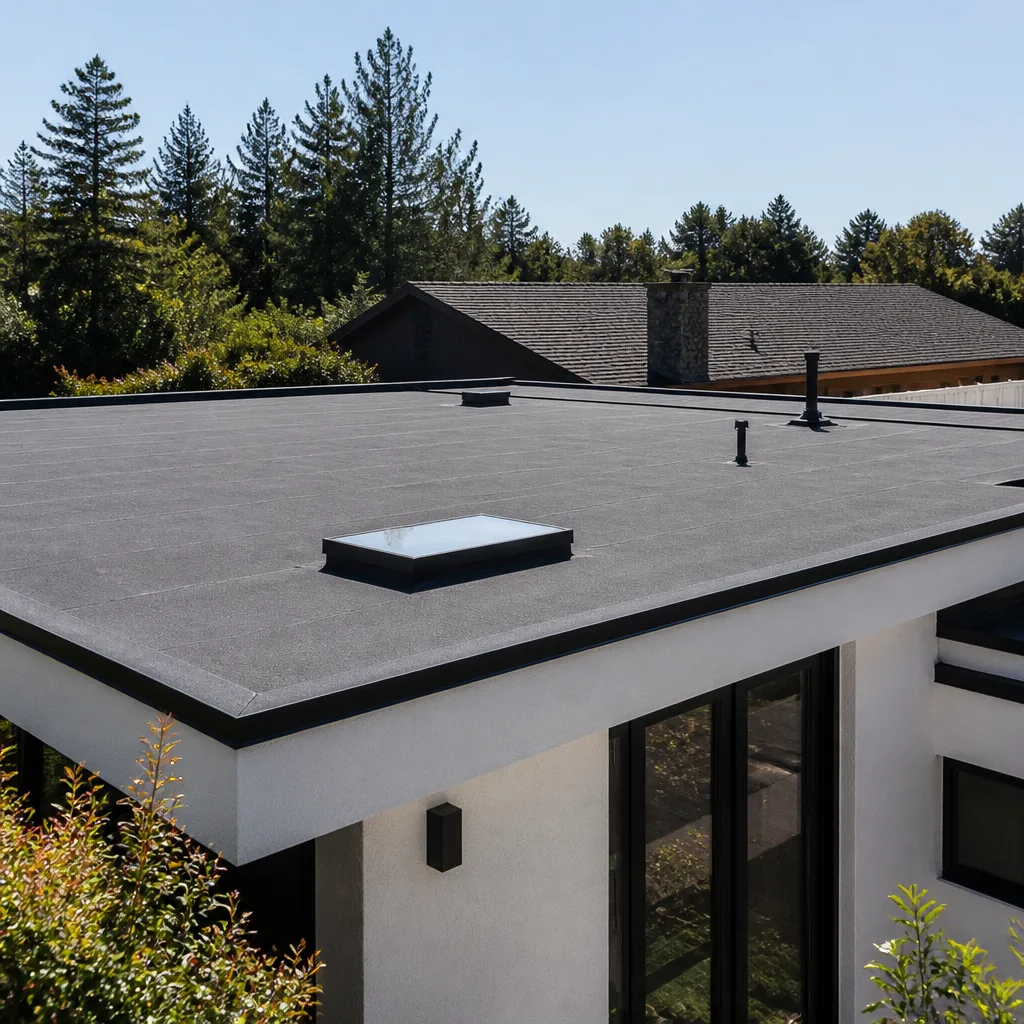 Flat & low-slope
Free roof inspection with deck photos before we talk money - GAF and Owens Corning certified installation
Seasonal Roofing Care for Dallas: Year-Round Homeowner’s Guide
Most Dallas homeowners follow the same roof maintenance script passed down from northern climates: check in spring, check in fall, repeat. That generic calendar misses what actually damages roofs in North Texas. Hail season starts in March and peaks in April, long before the traditional “spring inspection.” The October gutter and valley clearing window is what prevents most of the freeze-related leak calls we see every January. The truth is Dallas has two seasons that actively attack your roof (summer heat and spring hail) and two that are dangerously underestimated (fall debris buildup and the ice-event window in January and February). A seasonal roof care calendar that works in Dallas must follow the city’s actual climate patterns, not a four-season template written for Minnesota or Ohio. This guide lays out that calendar month by month, explains which tasks you can safely handle from a ladder and which require a licensed contractor, and gives you real price ranges so you know what to expect before you call anyone in Dallas.
Quick Answer
Seasonal roofing care in Dallas means four distinct windows of attention: October gutter and valley clearing to prevent winter ice backups, March through May hail-damage inspection within 48 hours of each storm, June through August attic ventilation monitoring to protect shingles from heat degradation, and a January through February ice-event response plan that most Texans skip entirely. A practical annual calendar costs a homeowner roughly $150 to $400 in preventive maintenance and catches the small issues that become $4,000-plus replacement problems. Tilehurst Roofing Dallas offers free estimates on every seasonal inspection and repair call at (903) 499-4275.
Styles & brands we work with
Table of Contents
- January and February: The Ice-Event Window Dallas Underestimates
- March, April, and May: Hail Season Is the Real Texas Spring
- June, July, and August: Heat Management Is Roof Management
- September and October: The Prevention Window That Stops Winter Leaks
- November and December: Pre-Freeze Inspection and Documentation
- Which Tasks Are Safe for DIY and Which Stay With a Contractor
- Common Mistakes to Avoid
- When to Call a Professional
- Frequently Asked Questions
January and February: The Ice-Event Window Dallas Underestimates
Dallas doesn’t get Colorado winters, but it does get ice. The February 2021 freeze and the January 2024 cold snap both proved that when temperatures drop below 28 degrees for more than 24 hours, roofs across Dallas County take damage that no one planned for. The specific problem is ice damming at the roof edge. When attic heat melts snow or ice on the upper roof, the water runs down and refreezes at the cold eaves, creating a dam. Water then backs up under the shingles and into the decking. Most Dallas homes are not designed with the full ice-and-water shield membrane that northern building codes require, which means a two-day freeze can produce interior water staining on ceilings and walls even when shingles look fine from the ground.
What to do in January and February:
- After any freeze event lasting more than 24 hours, check ceilings and upper wall corners in every room for water staining. Even a faint ring matters, because it means water is entering the decking.
- Look at the south-facing roof slope first. Dallas winter sun melts that side first, creating the melt-freeze cycle that drives ice damming.
- If you see icicles hanging from the gutter edge, don’t knock them down with a ladder from below. Icicles indicate a freeze-thaw cycle at the eaves, and the underlying issue is likely insufficient attic insulation or ventilation at the soffit. Knocking icicles off can tear the gutter or pull drip edge loose.
- Schedule an attic inspection in February if January brought any freeze event. Checking insulation depth and ventilation baffles now prevents the same leak pattern from repeating next winter.
In our experience across Dallas, homeowners who check their attic in February find the small problems (blocked soffit vents, compressed insulation, missing baffles) before they show up as ceiling stains in March. Most asphalt-shingle repairs related to freeze damage run between $180 and $340 for a small section, while full ice-dam remediation with improved eave flashing and water shield runs $800 to $1,500 depending on the home’s size and roof pitch. The written guarantee on every repair means if the fix doesn’t hold through the next freeze, the crew returns at no charge inside the guarantee period.
Learn more about how a Roofing Company in Dallas handles freeze-related damage.
March, April, and May: Hail Season Is the Real Texas Spring
Dallas sits squarely in the hail capital of North America. Hailstones larger than one inch hit some part of the Dallas-Fort Worth metro area nearly every year, most commonly between March and May. The insurance industry tracks Dallas as one of the highest hail-loss cities in the country, and the damage pattern is predictable: granule loss on the leading edge of the shingle, bruising beneath the surface that breaks down the shingle mat over the following months, and impact marks on metal flashing, vents, and gutters. The critical window for documenting hail damage is the first 48 hours after the storm. Surface bruising oxidizes quickly in Dallas heat, and a bruise that photographs clearly on day one can be nearly invisible to an insurance adjuster’s camera on day four.
What to do within 48 hours of a Dallas hail event:
- Walk the perimeter of the house and photograph anything that looks like an impact: dents in gutter downspouts, nicks on window frames, marks on the AC condenser fins, and shingle granules collected in the yard or driveway.
- Check the driveway and patio for small, round bare spots where granules washed off. Collect a few granules in a zip-top bag; adjusters use granule samples to match shingle age and formulation.
- From the ground, use binoculars to scan the roof for “bruises” – circular areas where granules are missing and the mat beneath is darkened or dented. Focus on the ridge cap and hips, where hail hits hardest.
- Do not climb onto the roof yourself. A hail-slicked or granule-covered roof is a fall risk, and by walking on it you can further damage shingles that an adjuster needs to inspect. Leave the roof surface assessment to a licensed contractor.
- Contact a Dallas roofing company for a professional documentation visit. Many homeowners wait until the adjuster arrives and then discover the damage photos are too weak to support a claim. A contractor who documents damage within 48 hours gives you evidence that holds up.
Hail damage repair in Dallas typically runs $350 to $850 for isolated shingle replacement and $14,000 to $22,000 for a full roof replacement on a standard suburban home, with most of the cost covered by homeowner’s insurance after the deductible. The 365-Day Done Right Promise applies to every hail repair, which matters in Dallas because hail damage repair is where we most often see repairs failing within months – the initial patch may look right from the ground, but a torch-down that isn’t fully bonded under the shingle course will lift in the first hot week.
For storm-specific repair details, see our page on Roof Repair in Dallas.
June, July, and August: Heat Management Is Roof Management
Dallas summers push attic temperatures to 140 to 160 degrees on a July afternoon, and that heat does something most Dallas homeowners don’t connect to roofing: it bakes shingles from below. Asphalt shingles are designed to handle surface heat, but the combination of Texas solar load from above and trapped attic heat from below accelerates shingle aging, drying out the asphalt oils that keep shingles flexible. A roof that would last 25 years in a moderate climate often lasts 18 to 20 in Dallas if the attic ventilation is poor. The issue is not cosmetic – overheated shingles curl, then crack, then lose granules, and the roof fails earlier than it should.
Heat-related roof care tasks for June through August:
- Check attic ventilation in June, before the worst heat arrives. You should have intake vents at the soffit and exhaust vents near the ridge. In a Dallas attic, you should feel air moving on a hot day when the attic hatch is open. A still, oven-like attic means ventilation is blocked or undersized.
- Verify that soffit vents are not covered by blown-in insulation. This is the most common ventilation failure in Dallas homes, especially older ones with re-insulated attics. Installing baffles costs $2 to $5 per vent bay in materials and fixes the problem permanently.
- Consider a radiant barrier if your attic deck is uninsulated on the underside. In Dallas, a roof-facing radiant barrier can reduce attic temperatures by 20 to 30 degrees in July and August, which reduces shingle temperature from below and slows asphalt-oil drying. Installed radiant barrier runs $1.50 to $3.00 per square foot of attic floor area, paid back partly in lower cooling costs.
- Check the ridge cap and upper shingle courses for visible curling. Curling starts at the hottest part of the roof first – the south and west slopes, and the ridge itself. If you see curling from the ground in summer, the shingle has already lost flexibility and the roof is entering the last phase of its service life.
Tilehurst Roofing Dallas offers material options from GAF, CertainTeed, Owens Corning, and four other manufacturers, which matters in Dallas heat because certain shingle formulations hold up better under sustained high attic temperatures. A lighter-colored CertainTeed or Owens Corning shingle can run 15 to 20 degrees cooler on the surface than a dark shingle, and that difference shows up in shingle lifespan over a 20-year span. Every job starts with a written price before any work begins, so you’ll know the cost of a ventilation upgrade or radiant barrier before you commit.
If heat damage has already shortened your roof’s life, see Roof Replacement in Dallas for full replacement guidance.
September and October: The Prevention Window That Stops Winter Leaks
The single most valuable thing a Dallas homeowner can do for their roof is clear gutters, valleys, and roof penetrations in late September and early October. Here is the local pattern we see every year: post-oak and pecan trees drop leaves across Dallas yards from late September through mid-November. Those leaves collect in gutters, then the first hard rain carries wet leaf mass into downspouts, blocking them. When January’s ice event arrives, the water can’t drain and backs up against the eave edge, where it finds the smallest seam in the flashing and goes to work. It isn’t the ice itself that causes most January leak calls in Dallas – it’s October’s leaves meeting January’s freeze.
Your late-September to October prevention protocol:
- Clear every gutter run and downspout. Scoop debris by hand or with a gutter spoon, then flush each downspout with a garden hose to verify flow. Clogged downspouts account for most of the freeze-backup leaks in Dallas.
- Clear roof valleys if your home has them. Valleys are the V-shaped channels where two roof slopes meet, and they concentrate water flow. Leaves that accumulate in a valley create a dam that directs water sideways under the shingles. Clear valleys with a soft brush or leaf blower from the roof only if you are confident and secured; otherwise, this is a contractor task.
- Inspect pipe boot flashings, chimney counter-flashing, and vent stacks. The rubber boot around vent pipes dries out and cracks in Dallas heat after about 8 to 10 years. A cracked boot leaks in winter and often shows up first as a ceiling stain in a closet or hallway, far from the roof penetration.
- Trim back any limb that touches or overhangs the roof. In Dallas wind events, a limb that rubs shingles continuously grinds away granules and exposes the asphalt to UV breakdown.
- Document everything with photos. Keep the October photos. If a January leak appears, you’ll have a “before” record that shows the roof was clear in the fall, which helps if you need a warranty claim or an insurance filing.
A full gutter and valley clearing for a standard Dallas single-story home runs $98 to $160 when done by a roofing maintenance crew. Flashing resealing around a vent or chimney adds $80 to $220 depending on the specific penetration and whether old sealant needs mechanical removal first. Tilehurst Roofing Dallas always provides a written price before touching the roof, and the written guarantee on every repair is in your hands before the crew leaves the driveway – not mailed later.
For comprehensive seasonal service, start at Tilehurst Roofing Dallas home.
November and December: Pre-Freeze Inspection and Documentation
By early November, Dallas is usually into its second wet season, and the roof has completed one full cycle of summer heat, fall leaf load, and the first cold nights. The November window is the time for a documented roof inspection, not because November is particularly dangerous, but because it is the last reliable moment before the January and February freeze risk appears. And the documentation matters. A Dallas roof that photographs clean on a November day gives you an evidence baseline that holds up through winter and spring hail season. If a leak happens in February, you’ll have proof the roof was in acceptable condition going into winter, which protects you during insurance conversations.
Your November to December checklist:
- Photograph the entire roof from at least four angles. Use a phone or camera with decent zoom. Capture the ridge line, valleys, flashing, and any area that showed prior damage.
- Check the drip edge. Drip edge is the metal strip along the roof’s perimeter that directs water into the gutter, not behind it. Loose or missing drip edge is a common December leak source in Dallas when short, wind-driven rain events come in at an angle.
- Check the condition of roofing cement and sealant at penetrations. Many Dallas homes still have old tar-based sealant that cracks in the first cold spell. November is the time to reseal, not January.
- Inspect attic sheathing for water staining from the underside. Look at the underside of the roof deck for dark rings, white streaking, or softness. This is where past leaks show up most clearly, and catching them in November gives you two comfortable months to schedule the repair.
- Note anything that changed since the October clearing. Did a limb drop onto the roof? Did a shingle lift at the edge? Did a boot crack open? Small November notes become smaller February surprises.
If the inspection finds a problem, don’t wait for cold weather. A minor flashing reseal that costs $120 to $250 in November can become a $600-to-$1,200 decking and drywall repair in February after water has had weeks to work. Tilehurst Roofing Dallas schedules free estimates in November and December, and a live person answers every call 24 hours a day, 7 days a week – so if you spot something on a Saturday afternoon in December, you won’t wait until Monday to talk to someone.
For full replacement guidance after a severe November inspection, see Roof Replacement in Dallas.
Which Tasks Are Safe for DIY and Which Stay With a Contractor
Dallas homeowners can safely handle about a third of routine roof maintenance from the ground or from a ladder, but the line between safe and dangerous is not the same for every roof. The rule we use: anything requiring roof-surface walking, work at the ridge line, or work within 6 feet of a power line or roof edge is a licensed contractor’s job. Falls from roofs account for the largest share of serious DIY injuries in Texas, and the risk rises on Dallas’s steeper-pitch suburban roofs and after any rain event when shingles are slick with algae or granules.
Safe from a ladder or the ground:
- Gutter clearing and downspout flushing from a ladder secured against a stable surface
- Photographing roof surfaces with a phone camera from the ground using a zoom lens
- Visual inspection of flashing, drip edge, and shingle edges using binoculars
- Trimming small overhanging limbs from the ground with a pole pruner
- Checking attic ventilation, insulation depth, and baffles from inside the attic
Leave to a licensed contractor:
- Any work on the ridge cap or ridge vent – the ridge is the highest fall-risk area on a roof and the most commonly damaged by improper walking
- Resealing or replacing flashing at chimneys, skylights, or vents – improper sealant application leaks within a year, and the fall risk is not worth the $120-to-$250 savings
- Shingle replacement after hail or wind events – walking on a damaged roof can turn a repair into a replacement and voids some shingle warranties
- Any work on a roof pitch steeper than 6/12 – most suburban Dallas homes sit between 5/12 and 8/12, and anything steeper is a professional-only surface
- Ice-dam remediation and eave flashing work – this requires working at the roof edge, usually on a ladder, in cold conditions
Background-checked, uniformed technicians from Tilehurst Roofing Dallas handle all the professional-side tasks, so you know exactly who is on your roof at every moment of the job. The Kingswell Way values apply to every call: say the price before the work, show up in the window we gave, leave the place cleaner than we found it, put the guarantee in writing, and come back if it fails.
Need a quick repair? Visit Roof Repair in Dallas for details.
Common Mistakes to Avoid
- Waiting for spring to inspect the roof. By the time most Dallas homeowners run their “spring inspection” in late April, hail season has already peaked. The inspection happens after the damage window, not before it.
- Skipping the October gutter clearing. Every January freeze-leak season starts with October leaves. The homeowner who clears gutters once in November and once in March will miss the October peak leaf drop and head into winter with clogged gutters.
- Walking on the roof to inspect it after hail. This is the most common way Dallas homeowners turn a $400 repair into a $14,000 replacement. Walking on granule-covered or hail-bruised shingles causes the kind of damage adjusters can’t distinguish from storm damage.
- Ignoring the south and west slopes. Dallas heat does its worst on the south and west faces, which take the majority of the afternoon sun. A homeowner who checks only the front of the house misses the slope that fails first.
- Treating attic heat as an energy problem, not a roof problem. A 150-degree attic is shortening the life of every shingle on the roof, not just raising the cooling bill. Ventilation and radiant barrier work are roofing tasks.
- Falling for the “free inspection” that turns into an urgent-replacement pitch. Some Dallas roofing salespeople use a free inspection as a sales entry point and find damage everywhere. Get a written price and a written guarantee, and walk away from any company that pressures you to sign same-day.
When to Call a Professional
Call a licensed roofing contractor when you see any of these: water staining on any ceiling or upper wall after a freeze or heavy rain, missing or curling shingles, a granule trail in the gutter or downspout, or impact marks on metal surfaces after hail. Also call for any ridge cap, flashing, or valley work you aren’t comfortable doing yourself – the risk of a fall or a failed repair isn’t worth the savings. Tilehurst Roofing Dallas offers free estimates in Dallas – call (903) 499-4275 to schedule a seasonal inspection or a repair visit. A live person answers 24 hours a day, 7 days a week, including evenings and weekends.
Frequently Asked Questions
Most Dallas homeowners spend $150 to $400 per year on preventive maintenance: gutter clearing ($98 to $160 per visit), flashing resealing ($80 to $220 per penetration), and a documented inspection ($0 to $150 depending on the contractor). Repairs beyond maintenance run higher, with typical Dallas asphalt-shingle repairs ranging from $180 to $340 for a small section and $14,000 to $22,000 for a full replacement. Call (903) 499-4275 for an exact quote – estimates are free.
Dallas hail season runs from March through May, with peak activity in April. The best protection is documentation within 48 hours of each storm, because surface bruising oxidizes quickly in Dallas heat and becomes harder to photograph for an insurance claim. Take ground-level photos with a zoom lens, check gutters and downspouts for granule accumulation, and call a Dallas roofing contractor for a professional damage assessment within two days of the storm. At Tilehurst Roofing Dallas, the inspection and estimate are free.
Yes, but they work differently in Dallas than in northern climates. Dallas ice dams form during prolonged freezes when attic heat melts snow on the upper roof and the water refreezes at the cold eaves. Most Dallas roofs lack the full ice-and-water shield membrane required in northern building codes, so a two-day freeze can cause interior leaks. The prevention is the same as for any roof leak: clear gutters in October, verify attic ventilation in summer, and check for ceiling staining after any freeze event longer than 24 hours. Call (903) 499-4275 to schedule a freeze-damage inspection.
The best month for a documented inspection in Dallas is November, before the January and February freeze window but after fall leaf drop. A close second is late September, when the October gutter and valley clearing happens. Both windows fall outside Dallas hail season and before the first hard freeze, giving you time to schedule repairs in comfortable weather. Tilehurst Roofing Dallas offers free seasonal inspections year round.
Yes. In Dallas, an attic radiant barrier can reduce attic temperatures by 20 to 30 degrees in July and August, which reduces the heat load on shingles from below and slows the drying of asphalt oils that keeps shingles flexible. It’s a roofing task, not just an energy-efficiency task. Installed radiant barrier runs $1.50 to $3.00 per square foot of attic floor area, and the benefit shows up in shingle lifespan over a 20-year span. Call (903) 499-4275 for a radiant barrier quote.
Most Dallas homeowner’s insurance policies cover hail damage after the deductible, but the claim’s success depends on timely documentation. Photograph damage within 48 hours of the storm before surface bruising oxidizes, collect granule samples, and have a licensed Dallas roofing contractor inspect and document the roof before the insurance adjuster arrives. Tilehurst Roofing Dallas documents hail damage thoroughly and puts every repair guarantee in writing. Call (903) 499-4275 for a free hail-damage consultation.
The Bottom Line
Dallas roofs don’t fail on a seasonal schedule – they fail when October leaves meet January ice, when March hail meets summer heat, and when years of undersized ventilation finally dry out the shingles. The calendar that protects a Dallas roof is not “spring and fall.” It’s the 48 hours after every hail event, the October gutter and valley protocol, the February freeze-damage check, and a November documented inspection that establishes your baseline. Most of this work costs less than $400 a year in maintenance. The alternative is a $14,000 replacement that could have been avoided. If you want a written price before any work starts and a written guarantee on every repair, call Tilehurst Roofing Dallas at (903) 499-4275 for a free estimate.
Written by Greg Holloway, Owner at Tilehurst Roofing Dallas, serving Dallas since 2000.
See the difference
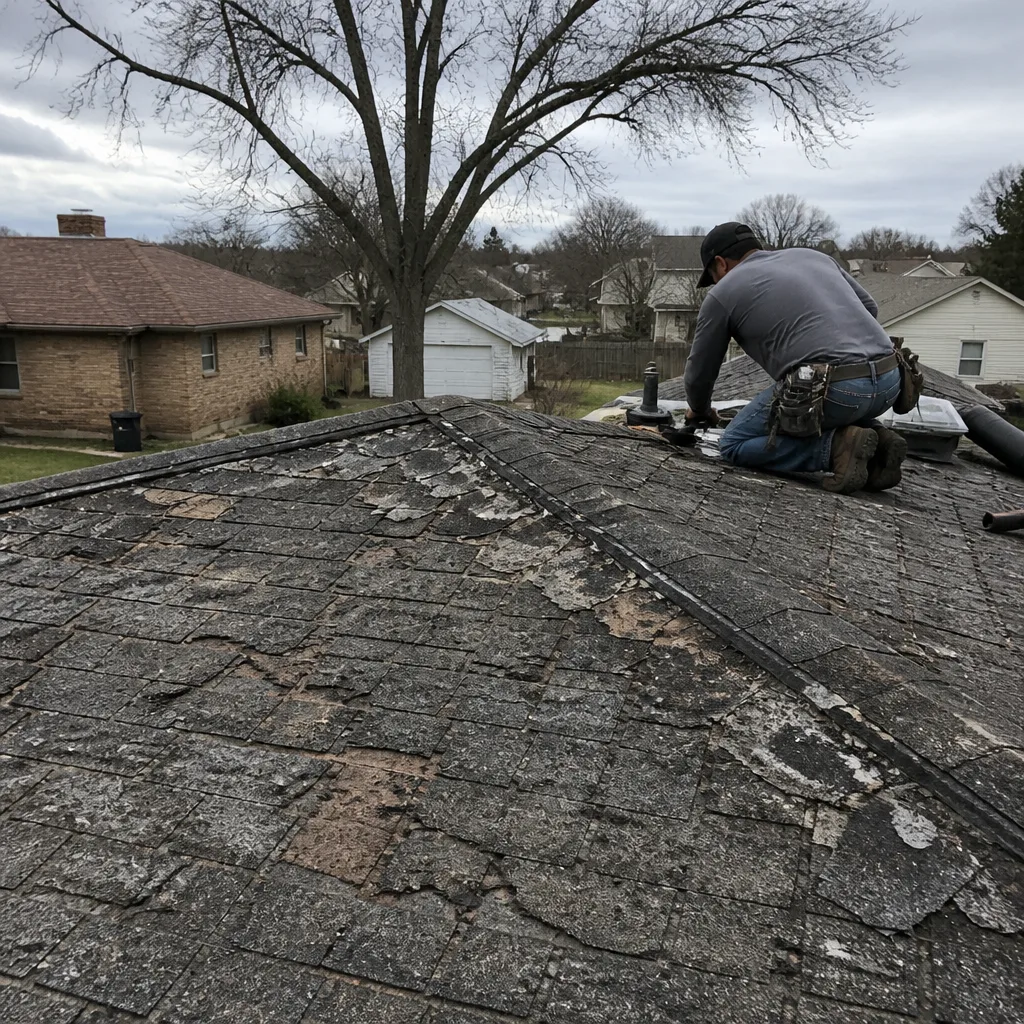 Before
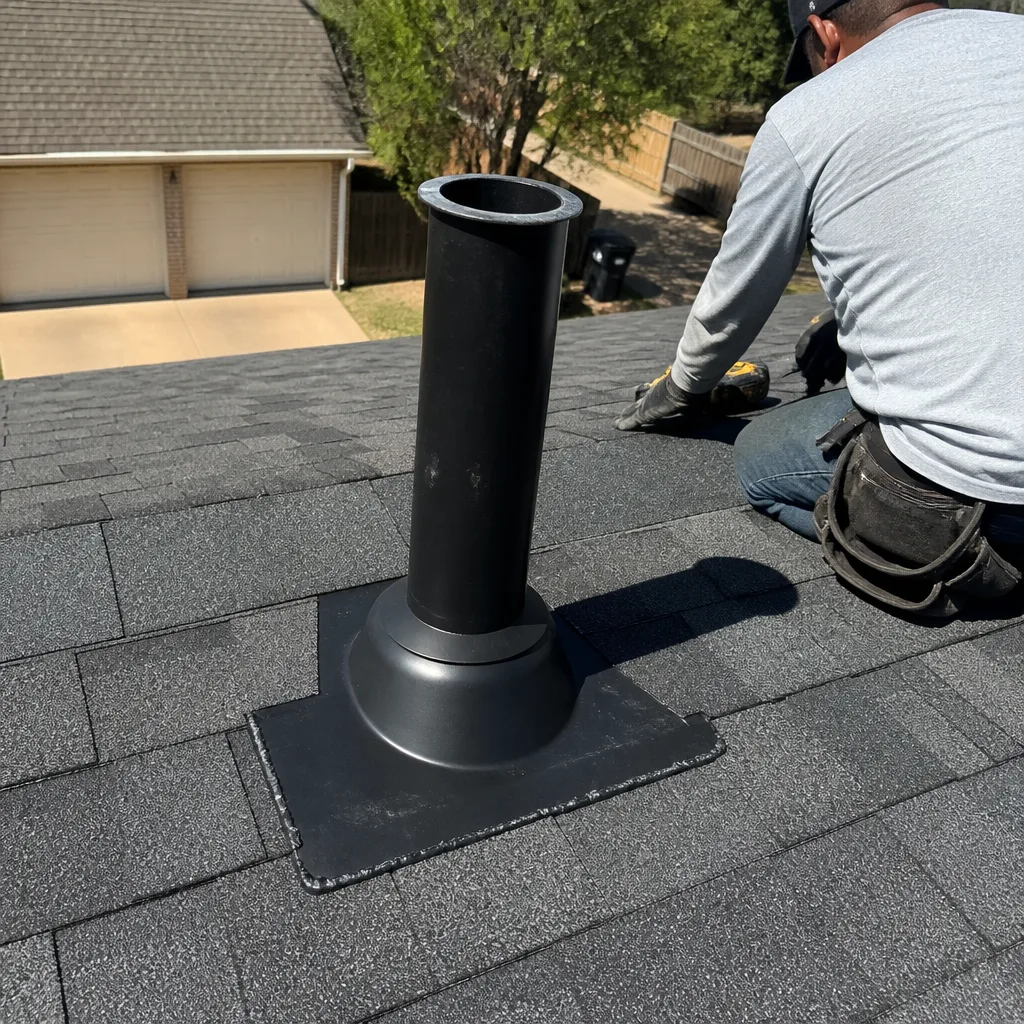 After
After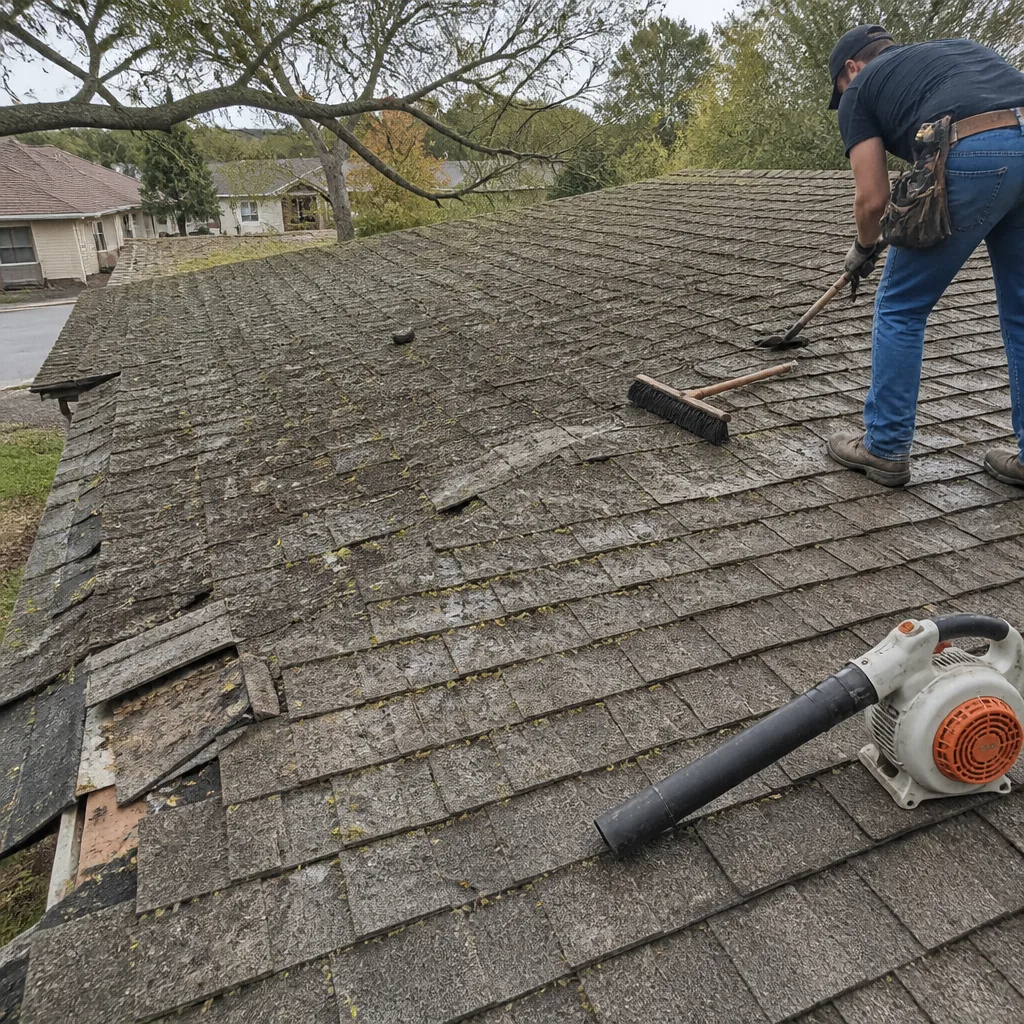 Before
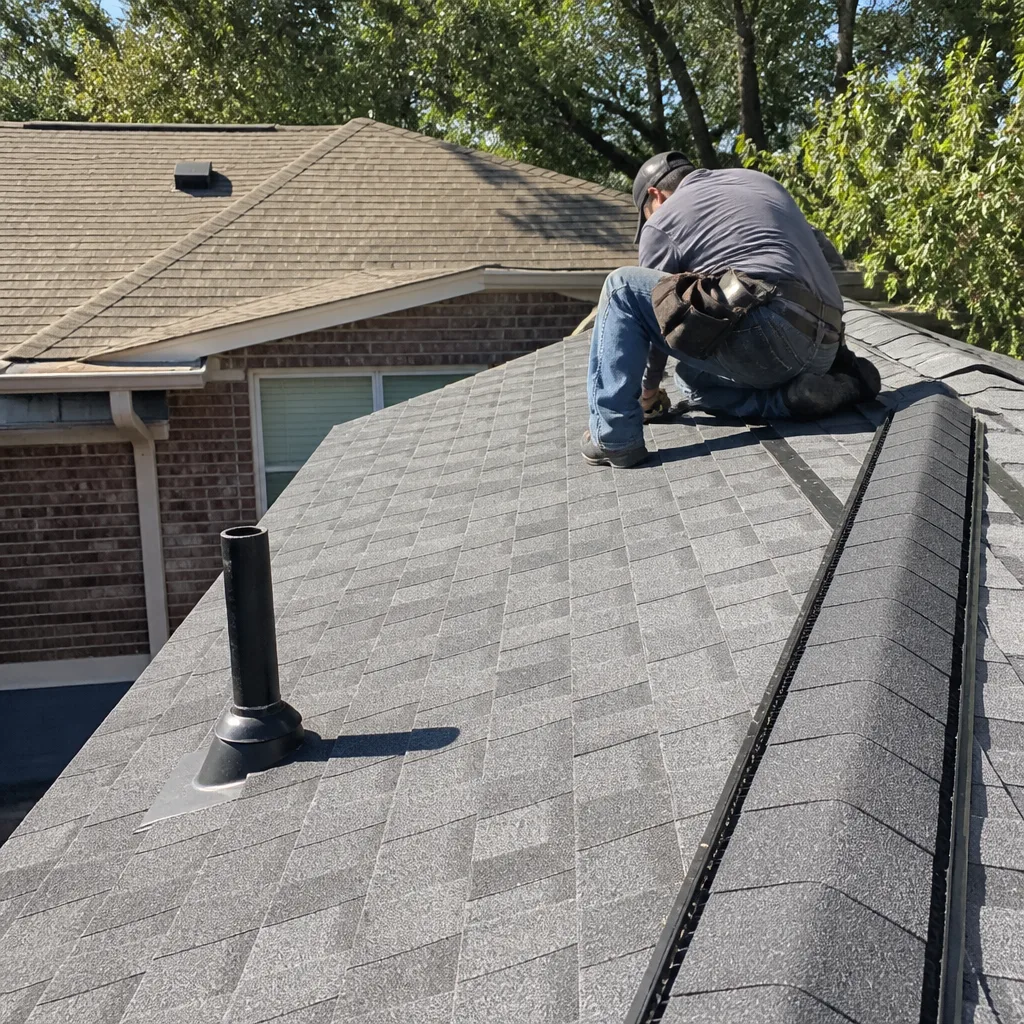 After
After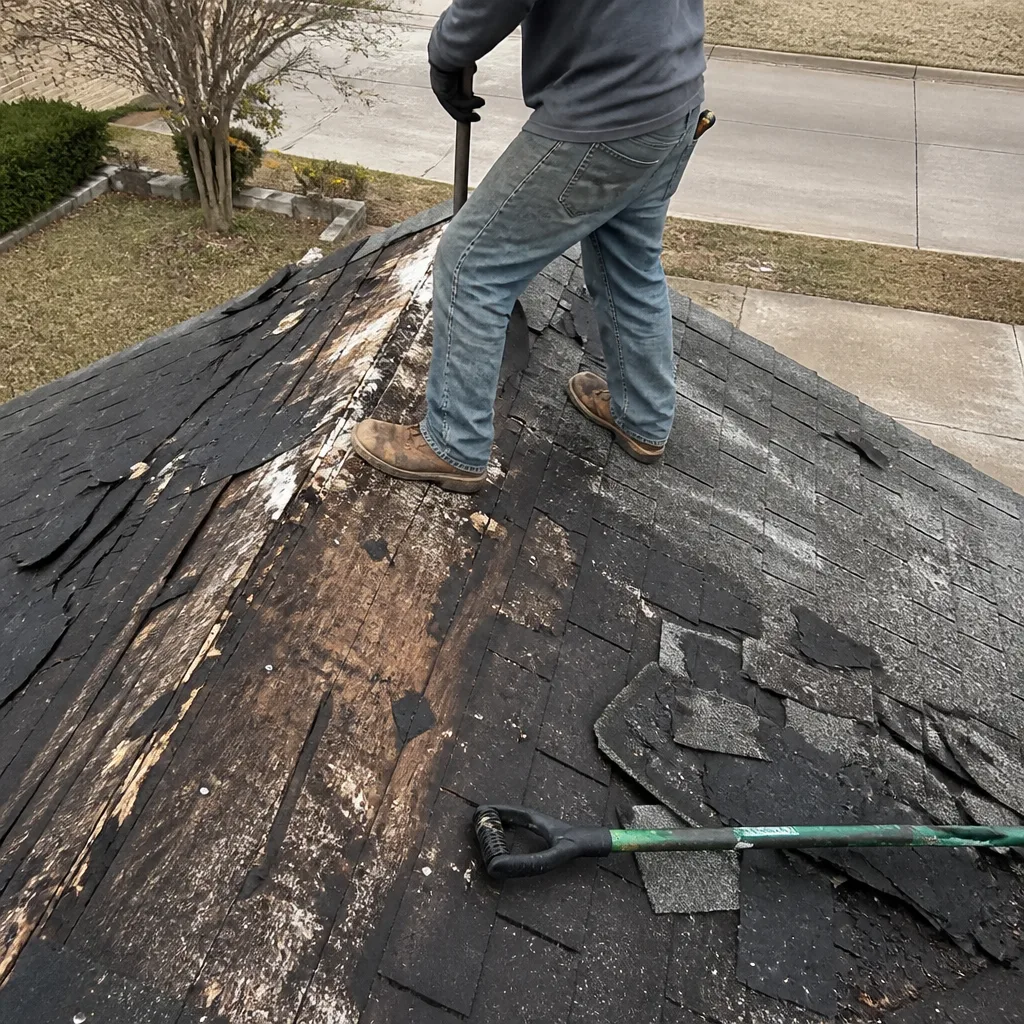 Before
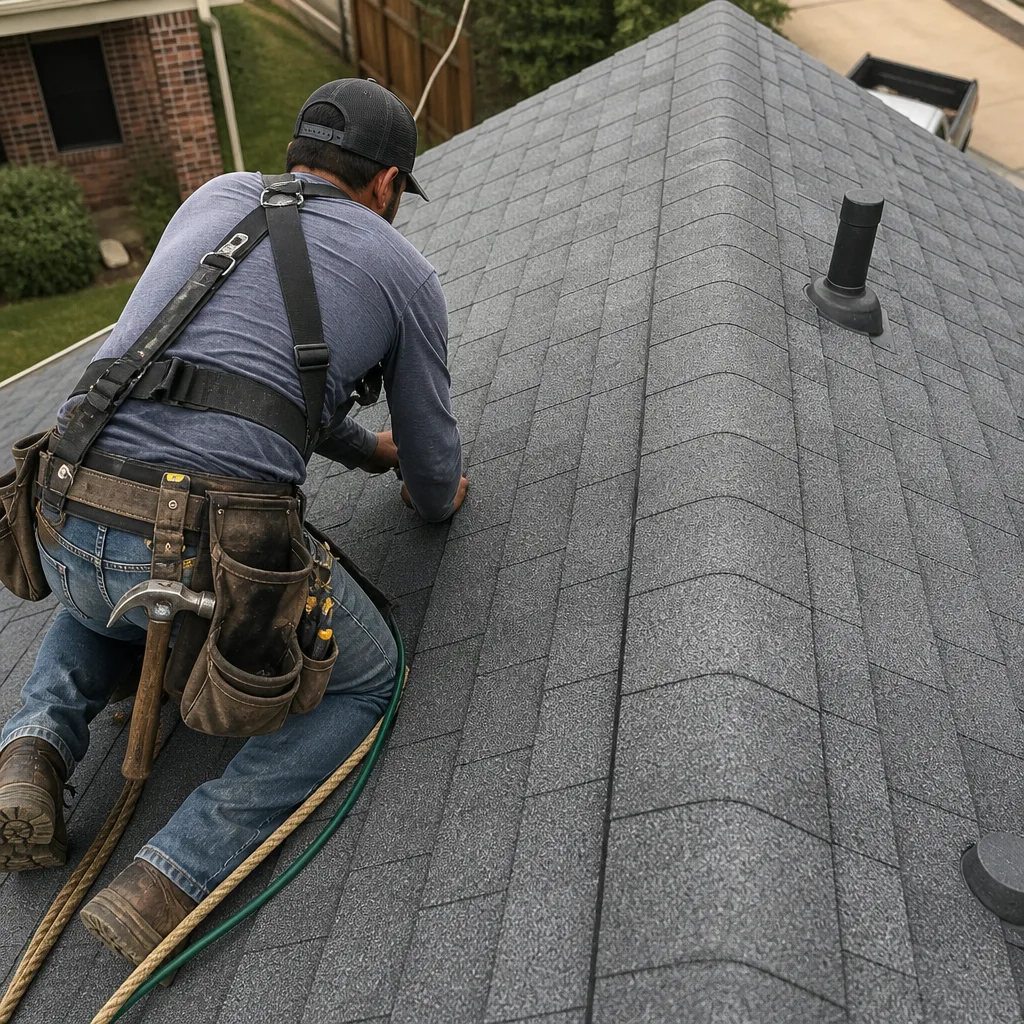 After
After