
Last updated October 17, 2026
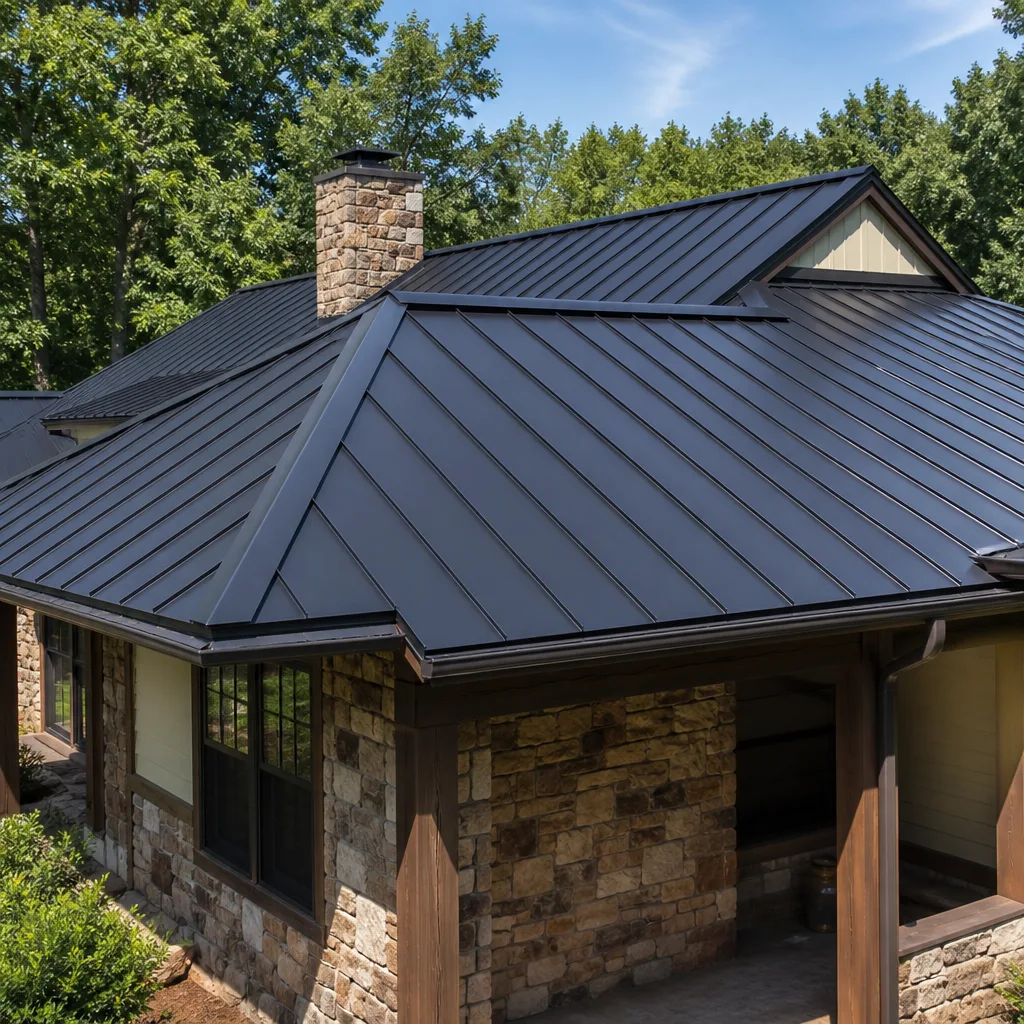 Metal roofing
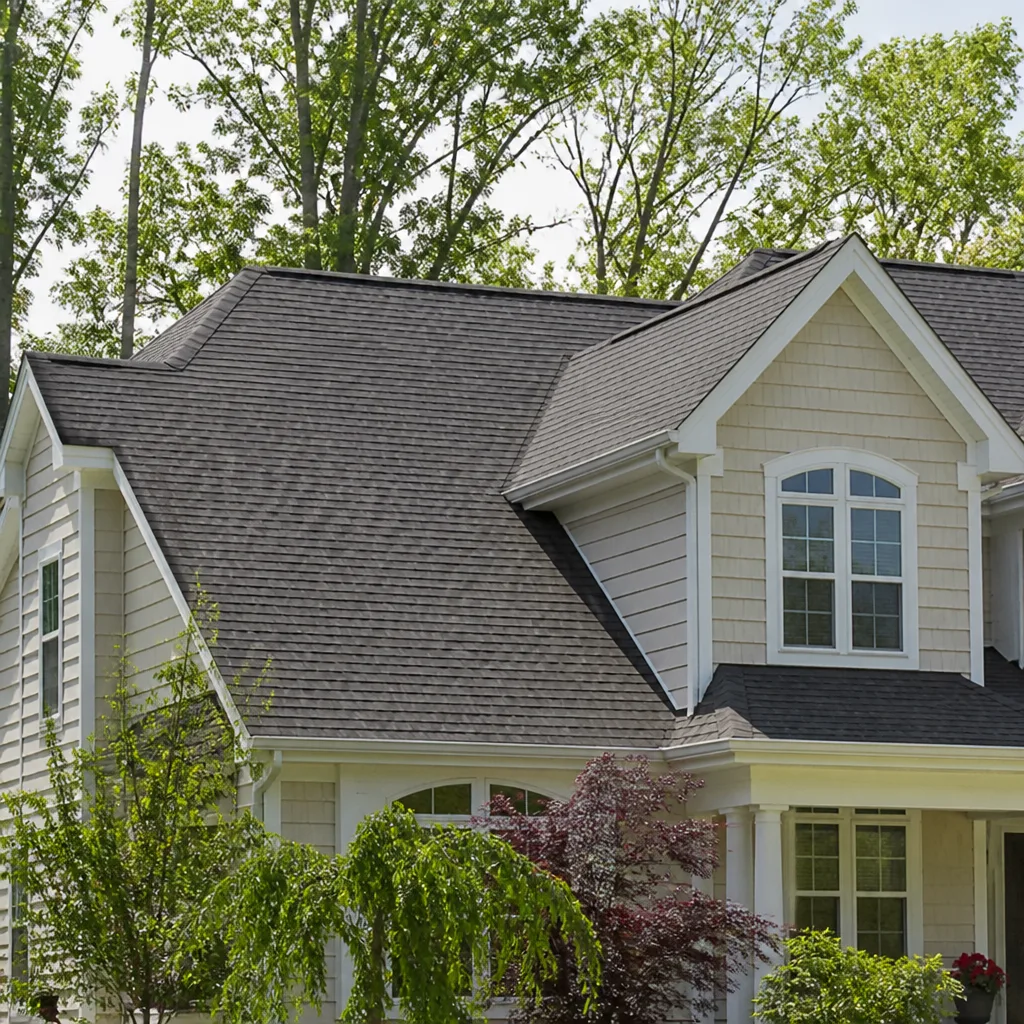 Architectural shingles
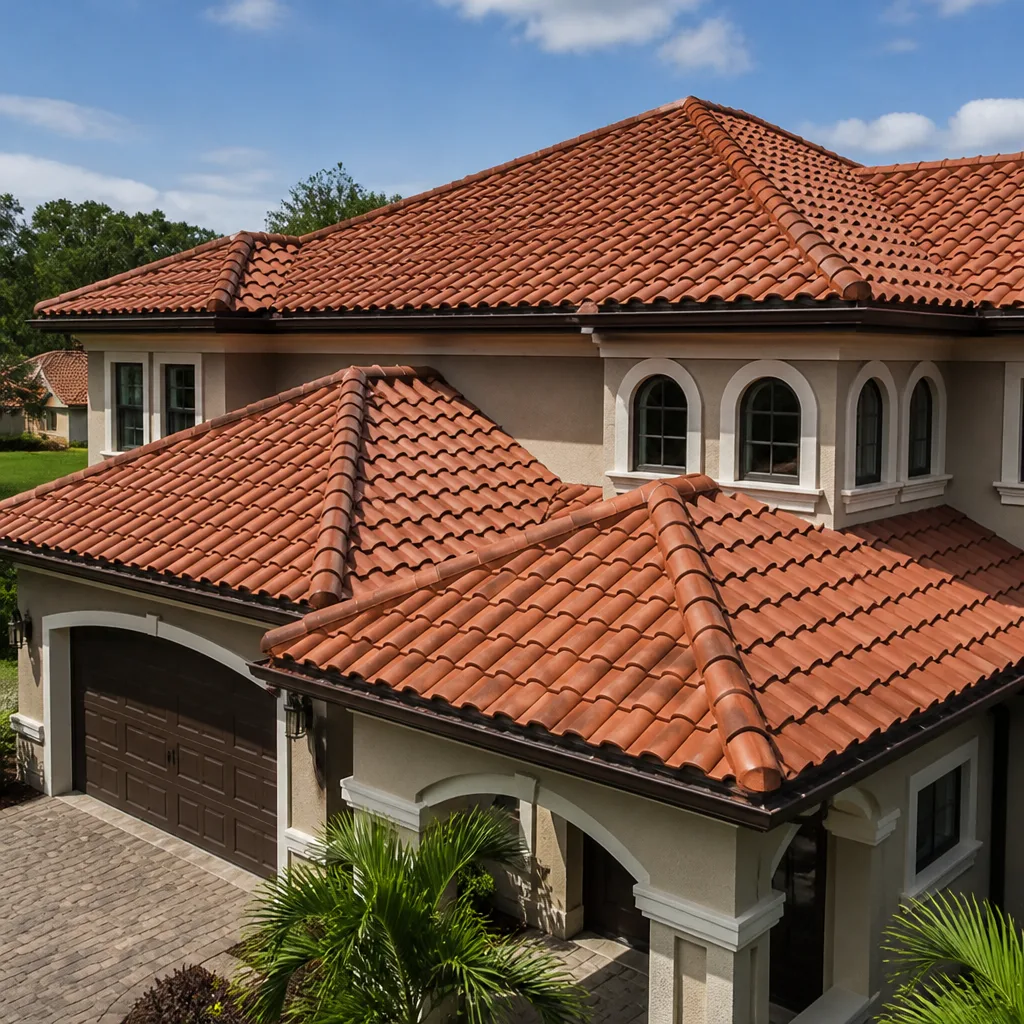 Tile roofing
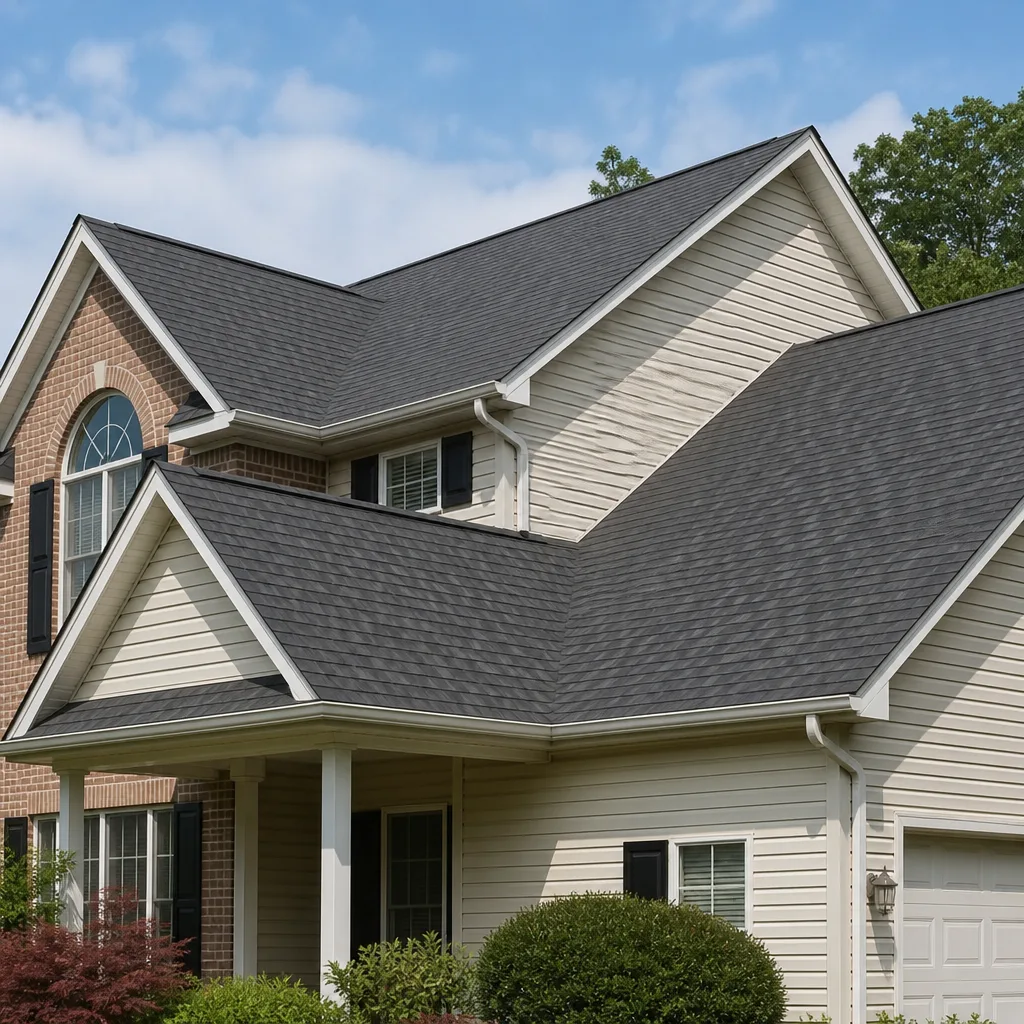 GAF
GAF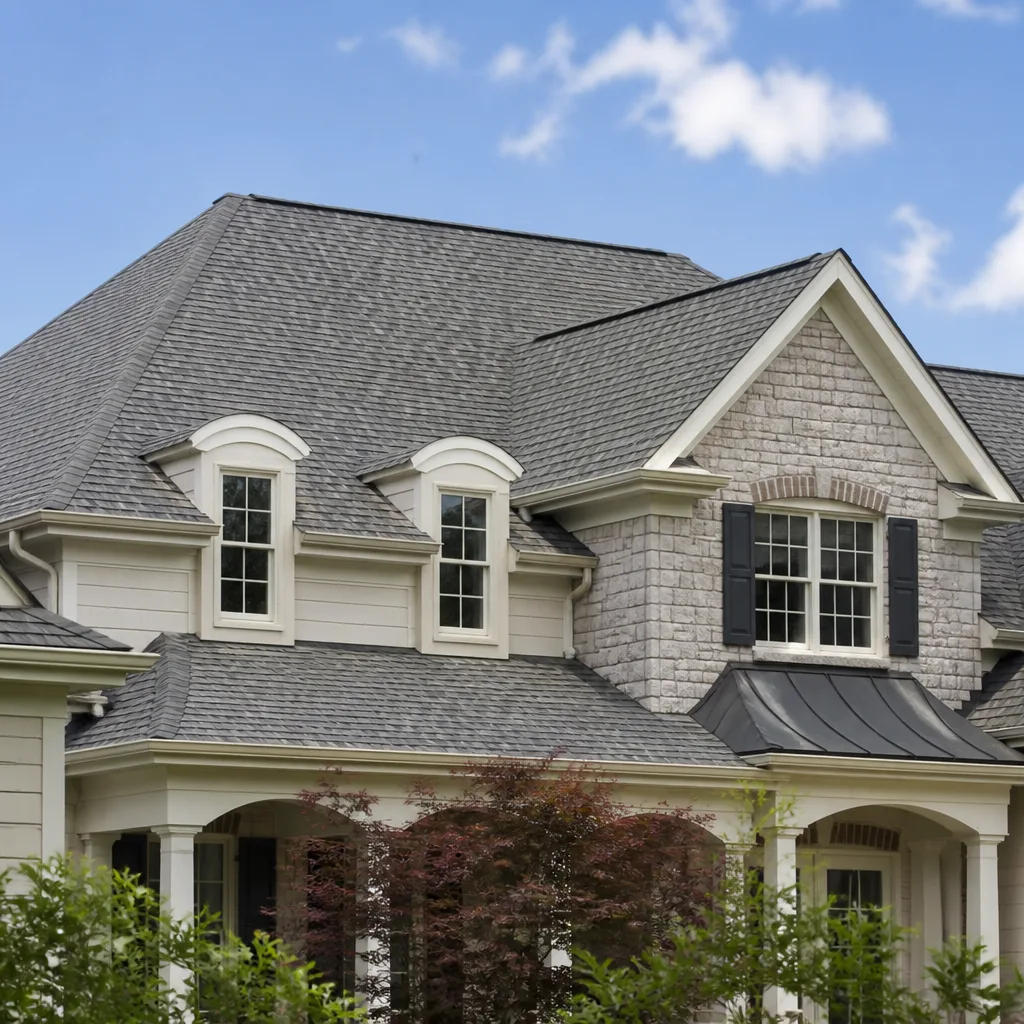 Owens Corning
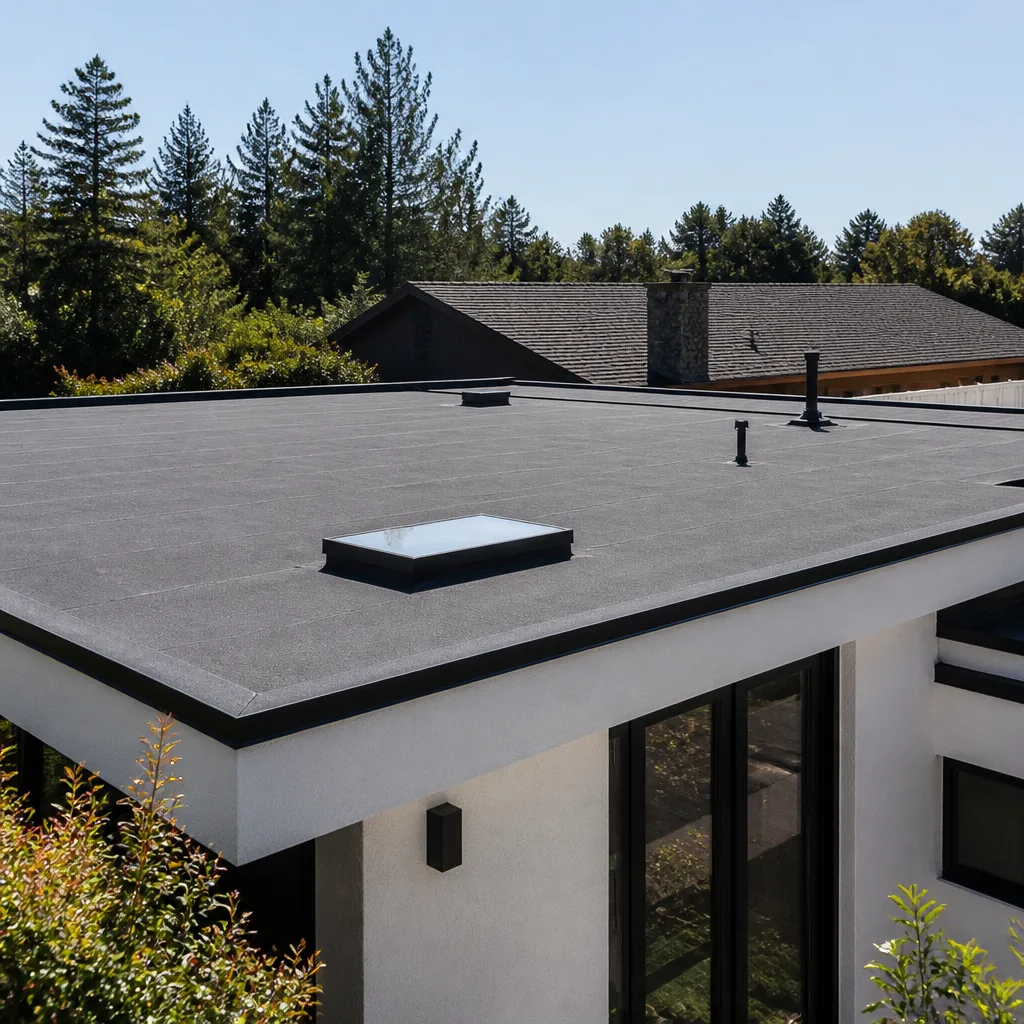 Flat & low-slope
Free roof inspection with deck photos before we talk money - GAF and Owens Corning certified installation
The Complete Guide to Roofing in Dallas
Dallas sits inside one of the most active hail corridors in North America, yet most “complete roofing guides” published for Dallas homeowners were written by content mills in other states and recycled without a single local zip code in mind. That matters because a roof in Dallas doesn’t fail the way a roof in Ohio or Arizona fails. We see the same failure patterns repeat across Lakewood, Preston Hollow, Garland, and Plano: hail-damaged shingles that look fine from the ground, soffit pulled loose by shifting clay soil, and attics hot enough to cook shingles from the underside. This guide walks you through what actually happens to roofs in Dallas, what it costs to fix them, and how to make sure you’re not paying for the same roof twice.
Styles & brands we work with
Quick Answer
Roofing in Dallas means planning for hail, clay soil movement, and extreme attic heat. Most asphalt shingle roofs here last 12 to 18 years, full replacements run $9,200 to $18,600 on average depending on size and material, and the smartest money you’ll spend is often on ventilation and edge repairs before a small problem turns into decking replacement. The best way to know what your specific Dallas roof needs is a written estimate from a local contractor who inspects the attic and the roof edge, not just the shingle field-see our guide on how to hire a roofing contractor in Dallas for what to look for.
Table of Contents
- The Three Dallas Roof Threats No National Guide Mentions
- What Roofing Actually Costs in Dallas
- The Four Roof Types You’ll See in Dallas Neighborhoods
- Hail Damage: When to Repair and When to Replace
- Attic Ventilation: The Hidden Shingle Killer in Dallas Heat
- Clay Soil and Why Your Fascia Pulls Loose
- How to Read a Dallas Roofing Estimate Line by Line
- Common Mistakes to Avoid
- When to Call a Professional
- Frequently Asked Questions
- The Bottom Line
The Three Dallas Roof Threats No National Guide Mentions
National roofing guides talk about rain, wind, and snow. Dallas gets all three, but our real roof problems come from three local conditions that out-of-state writers don’t understand. Here’s what actually shortens roof life in Dallas.
1. Hail Corridors That Follow I-35 and the Tollway
Dallas sits in a hail corridor that tracks roughly along the I-35 and Dallas North Tollway axes. Storms that form northwest of Fort Worth or north of Denton pull moisture and rotation right into the metroplex, dropping hail on the same neighborhoods year after year. Areas like Carrollton, Richardson, Garland, and northeast Dallas see repeat hail events at a rate that far exceeds most of the country. Hail damage is sneaky because it often doesn’t leak immediately. Granule loss from a hailstorm exposes the asphalt underneath to UV, and three years later your shingles are cracking and curling from sun damage, not from the storm you remember.
2. Expansive Clay Soil That Moves Your Fascia
Dallas sits on deep, expansive clay. When it rains, clay absorbs water and swells. When it’s dry for six weeks in July and August, the same clay shrinks and cracks. Your roof sits on top of a house that’s being slowly flexed by this cycle. The most visible symptom is fascia and soffit separation along the eaves. We see this across East Dallas, Richardson, and Garland, where homes built in the 1970s and 80s have had decades of clay movement working on their framing. When the fascia pulls away from the roofline, it opens a gap for water, insects, and heat. National guides don’t mention this because in most states the soil doesn’t move. In Dallas, it’s one of the most common roof edge failures we repair.
3. Attic Temperatures That Bake Shingles from Below
Dallas summers push attic temperatures to 140°F to 160°F. Shingles are designed to handle surface heat, but when the underside of the roof deck stays that hot for weeks at a time, the shingles cook from both sides. The manufacturer warranty on most architectural shingles explicitly excludes failure caused by inadequate ventilation. That means a poorly vented attic can void your warranty before the first hail season ends. We measure attic temperature and airflow on every inspection because a hot attic looks fine from the street and quietly cuts a 30-year shingle’s life to 12 years.
If you’re new to the area or just bought a home here, start with our Tilehurst Roofing Dallas home page for an overview of how we inspect and price these local failure patterns.
What Roofing Actually Costs in Dallas
Roofing prices in Dallas run higher than the national average because of material costs, code requirements for wind resistance, and labor competition with the commercial sector. Here’s what we quote on a typical week.
Typical Dallas Roofing Prices (2026 Market)
| Job Type | Typical Range | What Affects Price |
|---|---|---|
| Minor repair (flashing, a few shingles, small leak) | $380 – $850 | Pitch, access, number of broken shingles |
| Hail damage repair (granular, localized) | $650 – $1,400 | Square footage affected, edge work needed |
| Chimney flashing replacement | $550 – $1,100 | Chimney size, masonry condition |
| Gutter and drip edge replacement | $6 – $9 per linear foot | Material gauge, home perimeter |
| Full tear-off and replacement (architectural shingle, 2,000 sq ft roof) | $9,200 – $14,500 | Decking condition, pitch, venting work |
| Full replacement (metal or tile, 2,000 sq ft roof) | $18,000 – $32,000 | Material type, complexity, trim work |
These are line-item estimates we’ve given in Dallas within the last year. Your roof may come in higher or lower depending on pitch, decking condition, and whether code compliance requires upgrades to underlayment or ventilation. The key thing in Dallas is to get a written price with the assumptions stated: tear-off included or not, decking replacement allowance, and dump fees. If a quote doesn’t specify those three things, you’re reading a quote that will change at the door.
The best way to understand your specific roof’s cost is to start with our Roofing Company in Dallas page, which explains how we scope and price jobs in different Dallas neighborhoods.
The Four Roof Types You’ll See in Dallas Neighborhoods
Drive through Dallas and you’ll see four dominant roof types, each with a different cost profile, lifespan, and failure pattern. Knowing which one is on your house tells you what to budget for.
1. 3-Tab Asphalt Shingles
Flat, uniform rectangles with three visible tabs. These are the cheapest shingles and the shortest-lived. You’ll find them on 1980s and early 1990s homes in Mesquite, Garland, and older sections of Richardson and Irving. A 3-tab roof in Dallas rarely gives you more than 12 to 15 years before hail and heat start cracking the edges. When we replace a 3-tab roof, the homeowner is usually surprised to learn how much the material technology has improved since their roof was installed.
2. Architectural (Dimensional) Shingles
Thicker, laminated shingles with a textured, layered look. This is the most common roof on Dallas homes built since the mid-1990s. You’ll see them across Plano, Frisco, McKinney, and most of north Dallas. Architectural shingles hold up better to hail than 3-tab and typically last 15 to 20 years in Dallas conditions. We install architectural shingles from GAF, CertainTeed, Owens Corning, and IKO depending on the homeowner’s budget and the home’s exposure. The wind rating on these products matters here because Dallas sees straight-line winds during spring storms, not just tornadoes.
3. Metal Roofs
Standing seam or corrugated metal panels. Metal roofs are increasingly common in East Dallas, Lakewood, and older neighborhoods where homeowners want a 40-year roof that shrugs off hail and wind. Metal costs roughly double what architectural shingles cost, but the hail risk calculation changes: a metal roof can take a 1.75-inch hailstorm without losing granules or cracking. The trade-offs are cost, noise during rain (mitigated by solid sheathing), and eventual seal degradation around fasteners on exposed-fastener panels.
4. Clay and Concrete Tile
Tile roofs are common in pockets of north Dallas, University Park, and Highland Park, especially on 1980s and 1990s custom homes. Tile is the most durable roof material in Dallas, but it’s heavy, expensive, and brittle. Hail that bounces off metal will crack a tile. Tile repairs run higher per square foot because the tiles are fragile and the underlayment beneath them is what actually keeps water out. When a tile roof leaks, the tile itself is rarely the problem; it’s the old felt underneath that’s failed.
For a deeper look at how we replace each of these roof types, see our Roof Replacement in Dallas page.
Hail Damage: When to Repair and When to Replace
Most Texas homeowner policies use a hail size threshold to decide whether a roof qualifies for full replacement or just spot repair. Understanding that threshold before you file a claim saves you time and frustration.
The Hail Size Thresholds That Matter
- Under 1.5 inches in diameter: Most policies treat this as cosmetic damage. Shingle granules may be disturbed, but the structural integrity of the shingle is usually intact. Repairs are typically out of pocket unless your policy has unusual language.
- 1.5 to 1.75 inches: This is the gray zone. At this size, hail starts to bruise shingles and crack the mat underneath. Some adjusters will authorize full replacement at 1.5 inches; others will only do so at 1.75. The specific policy language matters more than the hail size.
- 1.75 inches and larger: Golf-ball-sized hail or bigger typically triggers full roof replacement under most Texas policies. At this size, the mat of the shingle is compromised, and even if it doesn’t leak today, its lifespan is cut by years.
Two things confuse Dallas homeowners about hail claims. First, hail damage is often invisible from the ground. You need an inspector on the roof measuring bruise size and checking for cracked mats. Second, the age of your roof matters. A 15-year-old roof with 1.25-inch hail damage is a different claim than a 5-year-old roof with the same damage. If your roof is near the end of its life, the hail event may accelerate a replacement you would have needed soon anyway.
For a detailed walkthrough of the claims process and what inspectors look for, read our Roof Repair in Dallas guide.
Attic Ventilation: The Hidden Shingle Killer in Dallas Heat
Here’s the thing most Dallas homeowners don’t know: a majority of the shingle failures we see in August and September have nothing to do with hail, which is why we created a roofing company maintenance checklist for Dallas homeowners. The shingles cooked from underneath because the attic wasn’t ventilated properly. The heat radiated up through the roof deck, baked the shingle mat from the underside, and the shingles cracked and curled three to five years earlier than they should have.
How to Spot a Ventilation Problem Before It Voids Your Warranty
- Feel the attic in the morning. In July, go into your attic at 8 a.m. before the sun has fully loaded the roof. If it’s already hot and stifling at 8 a.m., your attic isn’t shedding heat overnight.
- Check for ridge vent or box vents. Look at your roof from the street. Do you see a raised ridge vent running along the peak, or mushroom-shaped box vents? If you don’t see either, your attic is likely relying on gable vents alone, which is inadequate for Dallas summers.
- Look for rusted or blocked soffit vents. The soffit vents under your eaves are the intake side of your attic’s airflow. If they’re painted over, clogged with debris, or blocked by insulation, your ridge vent is pulling air from nowhere.
- Watch for moisture stains inside the attic. Dark streaks or white mold on the underside of the roof deck mean warm, moist air is condensing. That’s a ventilation failure, not a leak.
The manufacturer warranty on architectural shingles from GAF, Owens Corning, and CertainTeed specifically excludes premature failure caused by inadequate ventilation. We’ve had to tell homeowners that their 30-year shingle roof failed at 11 years and the warranty won’t cover it because the attic was running at 150°F every summer afternoon. If you catch the ventilation problem early, you can often save the decking and avoid a full premature replacement.
Clay Soil and Why Your Fascia Pulls Loose
If you live in Dallas and you’ve noticed a gap opening between your fascia board and the roof edge, or the metal drip edge pulling away from the gutter line, you’re seeing clay soil movement at work. This isn’t a roofing installation problem. It’s a foundation reality that shows up on the roof.
Here’s what happens. Dallas sits on expansive clay. During wet periods, the clay absorbs water and swells. During dry periods, it shrinks. Your foundation moves slightly, sometimes a fraction of an inch, sometimes more. Over 20 or 30 years, that movement telegraphs up through the walls and out to the roof edges. The fascia and soffit are the least rigid parts of the roof assembly, so they show the movement first.
What does this mean in practical terms? First, a fascia pull-away isn’t usually a sign that your roofer did something wrong. It’s a sign that the house has been moving for decades. Second, it’s not something to ignore. When the fascia separates from the roofline, it opens a gap that lets water behind the gutters and into the eave. We’ve found rotted rafter tails and sheathing rot behind fascia gaps that looked like minor cosmetic issues from the street. In neighborhoods like Lake Highlands, Richardson, and Garland, where the housing stock is older and the clay is deep, fascia and soffit repairs are a regular part of our Dallas work.
If your fascia has pulled loose and you want to know whether it’s a roof problem or a foundation problem, we’ll tell you honestly. Start with our Tilehurst Roofing Dallas home page and we’ll walk you through what we see.
How to Read a Dallas Roofing Estimate Line by Line
Most Dallas homeowners get three estimates and compare the bottom number. That’s a mistake. The bottom number tells you almost nothing. The line items tell you whether that contractor is going to show up with the crew and materials they quoted, or with a change order pad. Here’s what the standard line items mean in plain language.
Line Items You’ll See and What They Mean
- Tear-off: Removing the existing shingles down to the decking. Some Dallas quotes include a “tear-off allowance” or assume one layer. If your roof has two layers (common on older Dallas homes), the quote needs to account for that, or the crew will “discover” it on day one and the price changes.
- Decking allowance: The amount allocated for replacing rotted or delaminated wood in the roof deck. A typical Dallas quote includes 4 to 6 sheets of decking. If the rotted wood exceeds that, the contractor charges per sheet. Ask what the per-sheet rate is before you sign.
- Drip edge: The angled metal strip installed along the roof edges to guide water into the gutter and protect the fascia from rotting. Some Dallas codes require drip edge; some older homes don’t have it. This is not optional in a quality replacement.
- Underlayment: The water-resistant layer installed between the decking and the shingles. In Dallas, synthetic underlayment has largely replaced felt because it holds up better to our summer heat and doesn’t wrinkle in humidity.
- Ridge cap: The shingles that run along the peak and hips of your roof. They’re thicker and more exposed than field shingles. A proper ridge cap installation includes the cap shingles and the ridge vent if you’re adding one.
- Flashing: Metal pieces installed where the roof meets anything else: chimneys, walls, skylights, vents. Flashing failures are among the most common leak sources in Dallas because the metal expands and contracts with our temperature swings.
When Greg Holloway writes an estimate at Tilehurst Roofing Dallas, every line is stated with the assumption explicit. No allowances that get renegotiated at the door. If you’ve been burned by a Dallas contractor who changed the price mid-job, that experience is precisely why we put the written price in your hands before the first nail goes in.
Common Mistakes to Avoid
- Waiting for a leak to call a roofer. By the time water shows up inside your Dallas home, the decking and insulation have often been wet for weeks. Repair costs multiply once the interior is involved. Get an inspection after every hailstorm, even if the roof looks fine from the ground.
- Accepting a quote without a decking allowance stated in writing. Roof deck rot is common in Dallas because of humidity and heat cycling. If your quote doesn’t state the per-sheet rate for replacement decking, you’ll see a surprise line item once the old shingles come off.
- Ignoring attic ventilation when you replace the roof. Replacing shingles without addressing a 150°F attic is throwing money away. The new shingles will fail early, and the manufacturer won’t cover it.
- Signing with a contractor who doesn’t pull permits in Dallas. Dallas requires permits for roof replacements. A contractor who suggests skipping the permit is putting you at risk on insurance claims, resale disclosure, and code compliance.
- Choosing the cheapest material because the bid was the lowest. 3-tab shingles cost less upfront but fail years earlier in Dallas hail and heat. The cost per year of life spread makes architectural shingles the better value in almost every Dallas home.
- Not asking whether the quote includes a written guarantee. A verbal promise is worthless. At Tilehurst Roofing Dallas, every repair includes a written guarantee delivered before the crew leaves. If a repair fails inside the guarantee period, we return and correct it at no charge under our 365-Day Done Right Promise.
When to Call a Professional
You should call a professional roofer any time you see granule loss, cracked or curling shingles, a fascia gap, water stains on the ceiling, or signs that hail has hit your roof. The danger with DIY roof work isn’t just the height; it’s that Dallas hail damage is often invisible from the ground and a homeowner can spend a weekend “fixing” a roof that actually needs a full replacement or an insurance claim. Read our DIY vs Professional Roofing: The Dallas Homeowner’s Decision Guide before deciding. If you’re not sure whether that stain on the ceiling is from a roof leak or an HVAC condensation issue, an inspection will tell you. Tilehurst Roofing Dallas offers free estimates in Dallas, call (903) 499-4275 to schedule one. A live person answers the phone 24 hours a day, 7 days a week. You won’t get a voicemail queue.
Frequently Asked Questions
A full tear-off and architectural shingle replacement on a 2,000 square foot Dallas home typically runs $9,200 to $14,500, while metal or tile replacements run $18,000 to $32,000. The biggest variables are decking condition, roof pitch, and whether ventilation or code upgrades are needed. Call (903) 499-4275 for a written estimate on your specific roof.
Hail damage shows up as dark spots where granules are missing, circular bruise marks in the shingle mat, and cracked shingles that you can’t see from the ground. An inspector needs to walk the roof, measure the bruise size, and document the damage for your insurance claim. The hail threshold in Texas matters: most policies require 1.5 to 1.75 inch hail before full replacement is covered.
Yes, a building permit is required for roof replacement in Dallas. A legitimate contractor will pull the permit, schedule the inspection, and make sure the work passes code before the job closes. A contractor who suggests you don’t need one is putting you at risk.
Most architectural shingle roof replacements in Dallas are completed in one to two days. Larger homes or roofs with extensive decking repairs can take three to four days. The crew will protect your landscaping, and the dump trailer should be scheduled the same day the old roof comes off.
Manufacturer warranties typically exclude hail damage because it’s considered an “act of God.” Your homeowner’s insurance policy is what covers hail damage if the hail meets your policy’s size threshold. A contractor’s workmanship guarantee covers installation defects, not storm damage.
Three things: intense UV exposure from our long summers, high attic heat cooking shingles from underneath, and granule loss from repeat hailstorms. If your shingles are fading and cracking early, have the attic ventilation checked. A 140°F attic will destroy shingles years before their rated lifespan, and the manufacturer won’t cover it if ventilation is the cause.
The Bottom Line
Roofing in Dallas is a different animal than roofing anywhere else. Hail corridors, clay soil movement, and brutal attic heat create failure patterns that generic guides ignore. The most important things you can do are: inspect your roof after every hail event, watch your fascia and soffit for gaps, check your attic ventilation before you replace shingles, and read every estimate line by line. A roof in Dallas is a 15-year investment, and the homeowners who get the most out of it are the ones who understand the local failure patterns before they sign a contract. For more guides & resources, visit our blog.
If you’re in Dallas and want to know where your roof stands, call (903) 499-4275. We’ll give you a written estimate, a clear explanation of what we found, and a direct answer to whether you need a repair or a replacement. No pressure, no change orders, no surprises.
Written by Greg Holloway, Owner at Tilehurst Roofing Dallas, serving Dallas since 2000.
See the difference
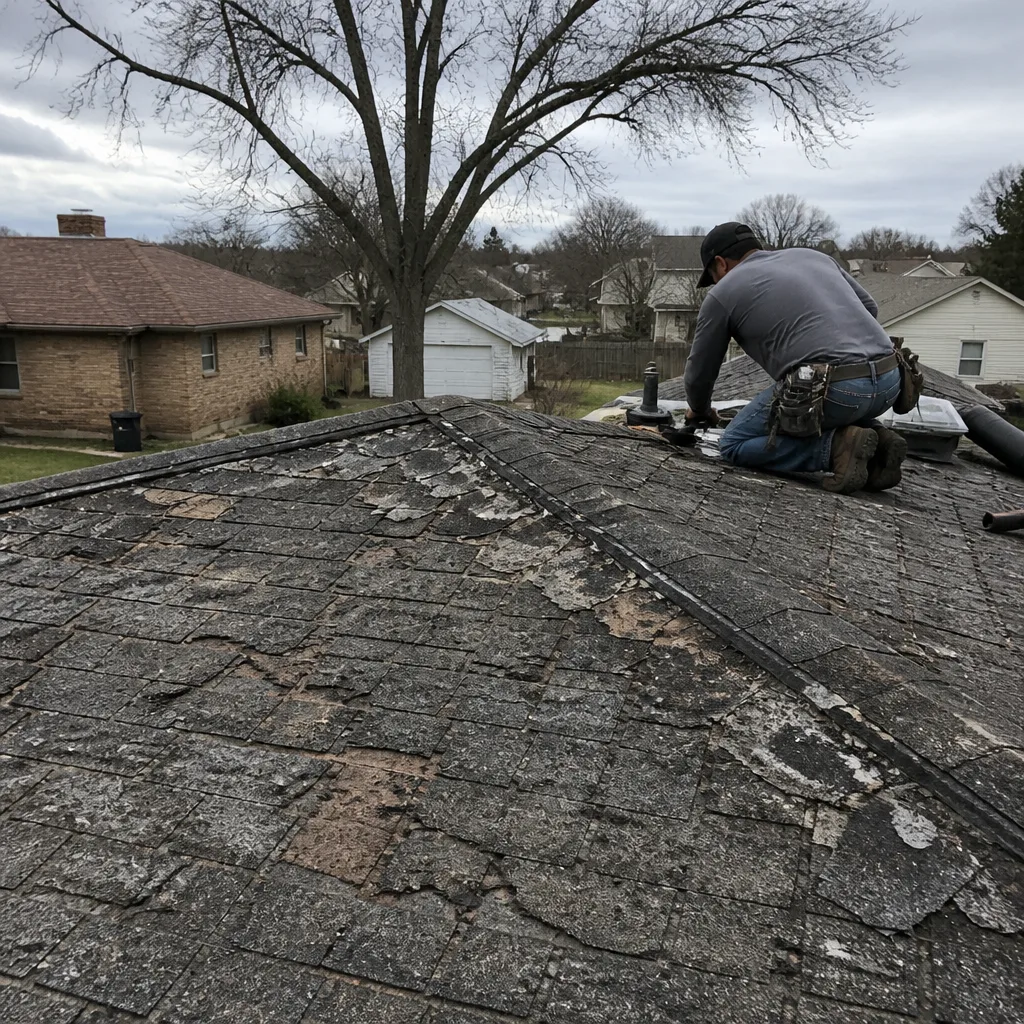 Before
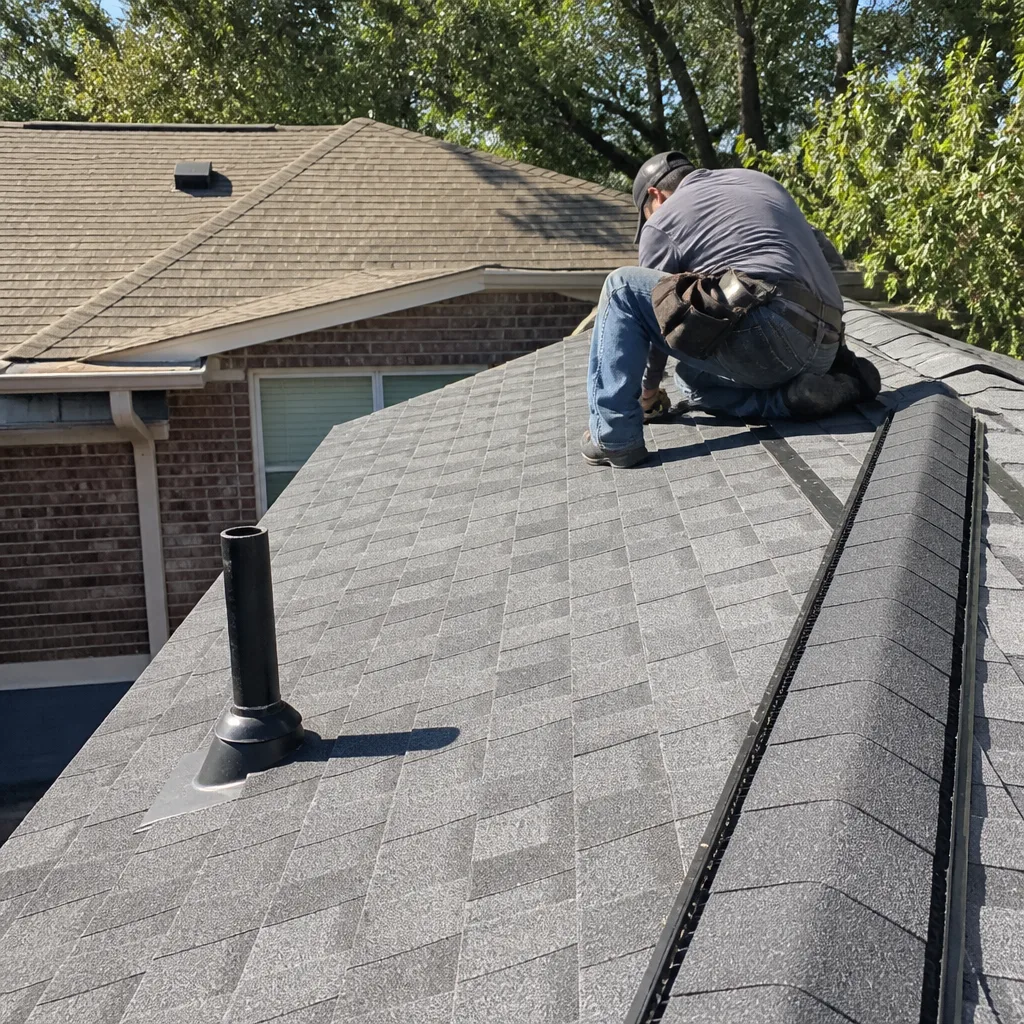
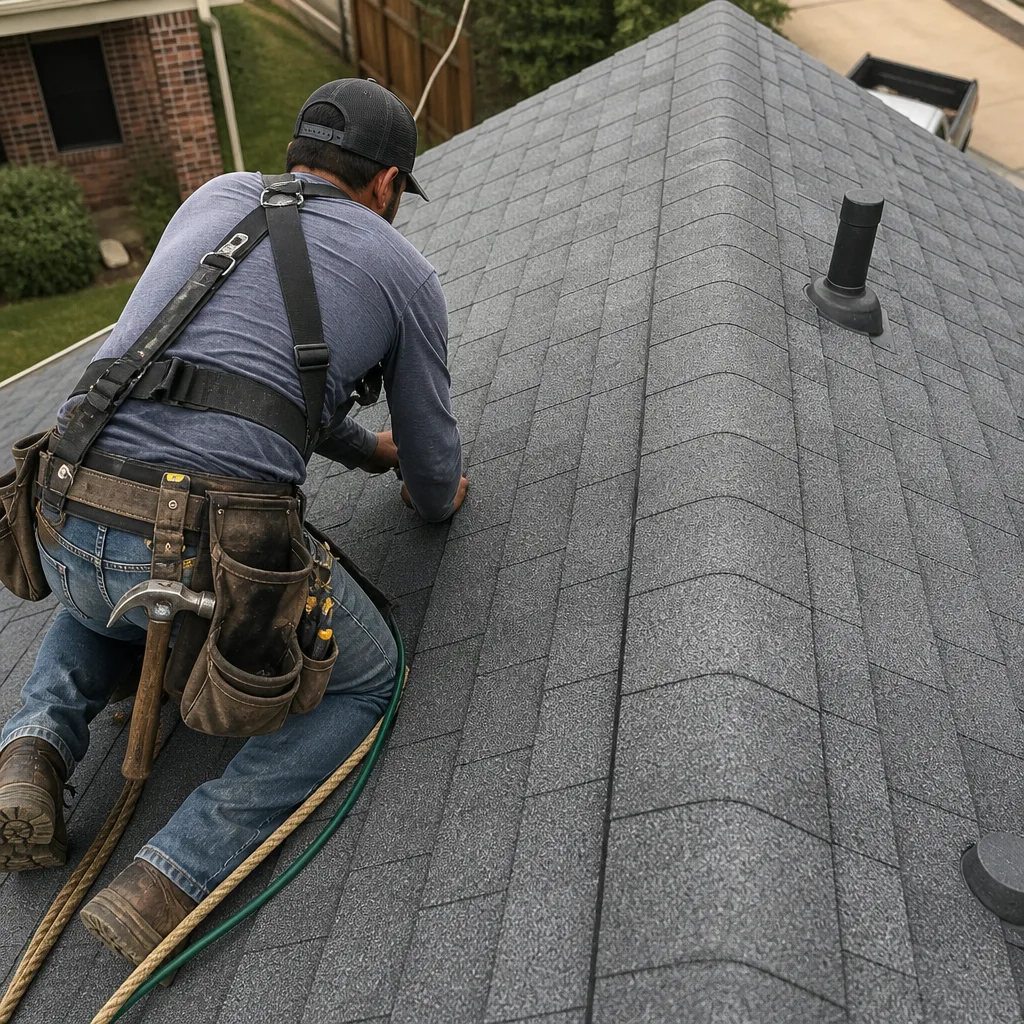
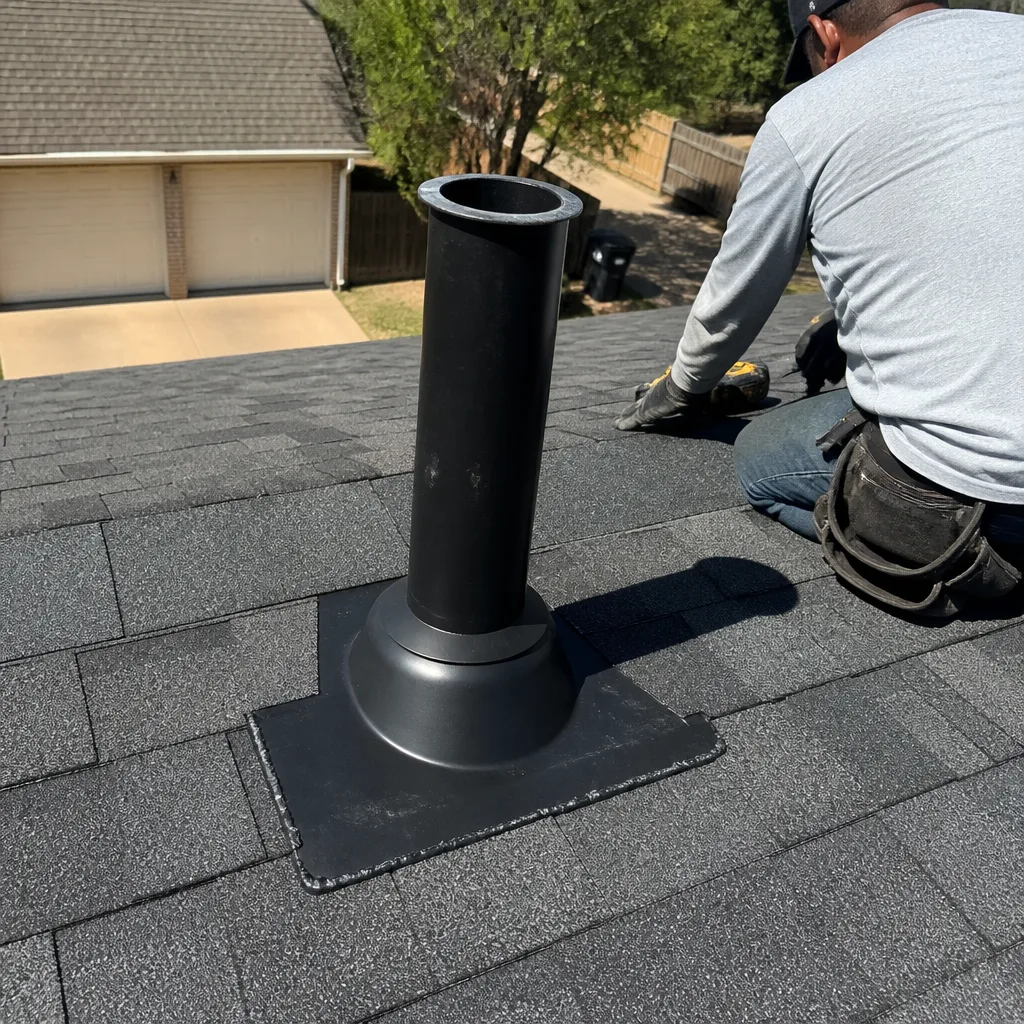 After
After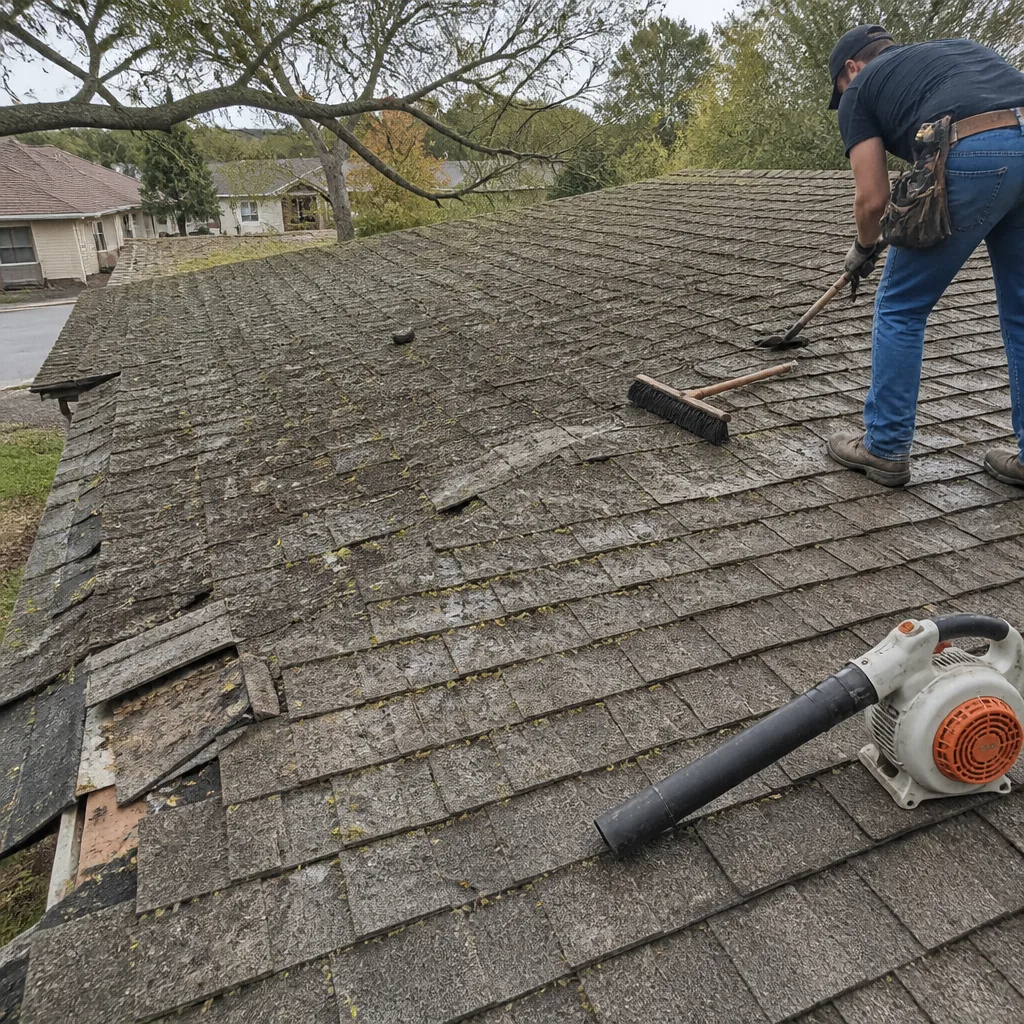 Before
 After
After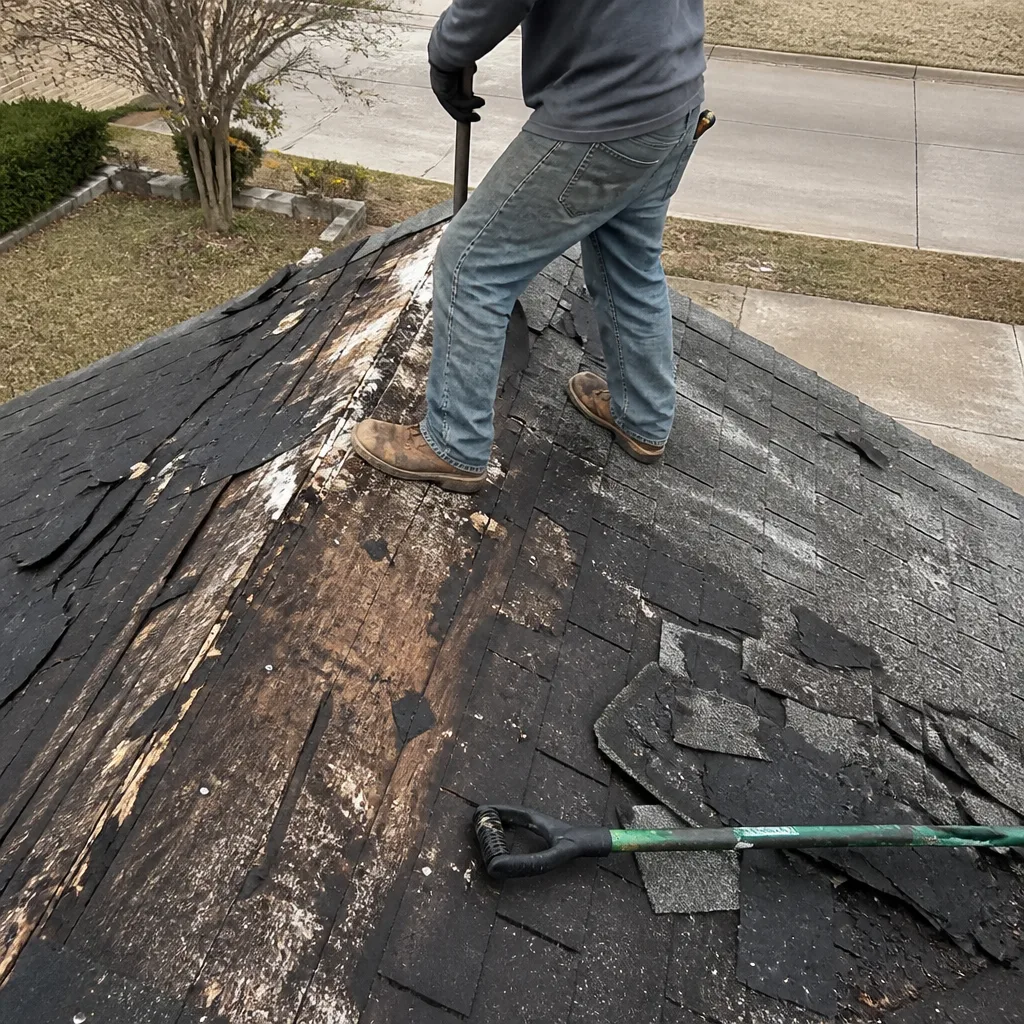 Before
 After
After