
Last updated October 17, 2026
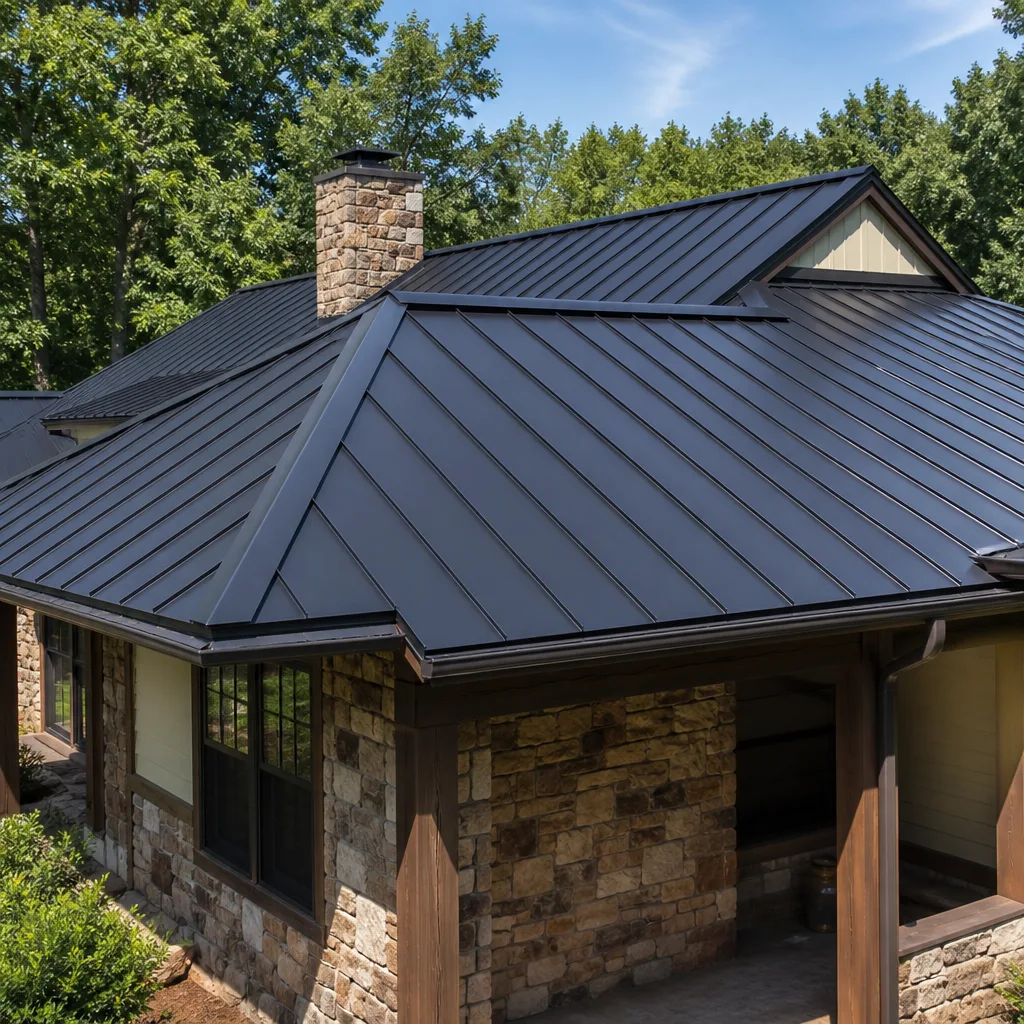 Metal roofing
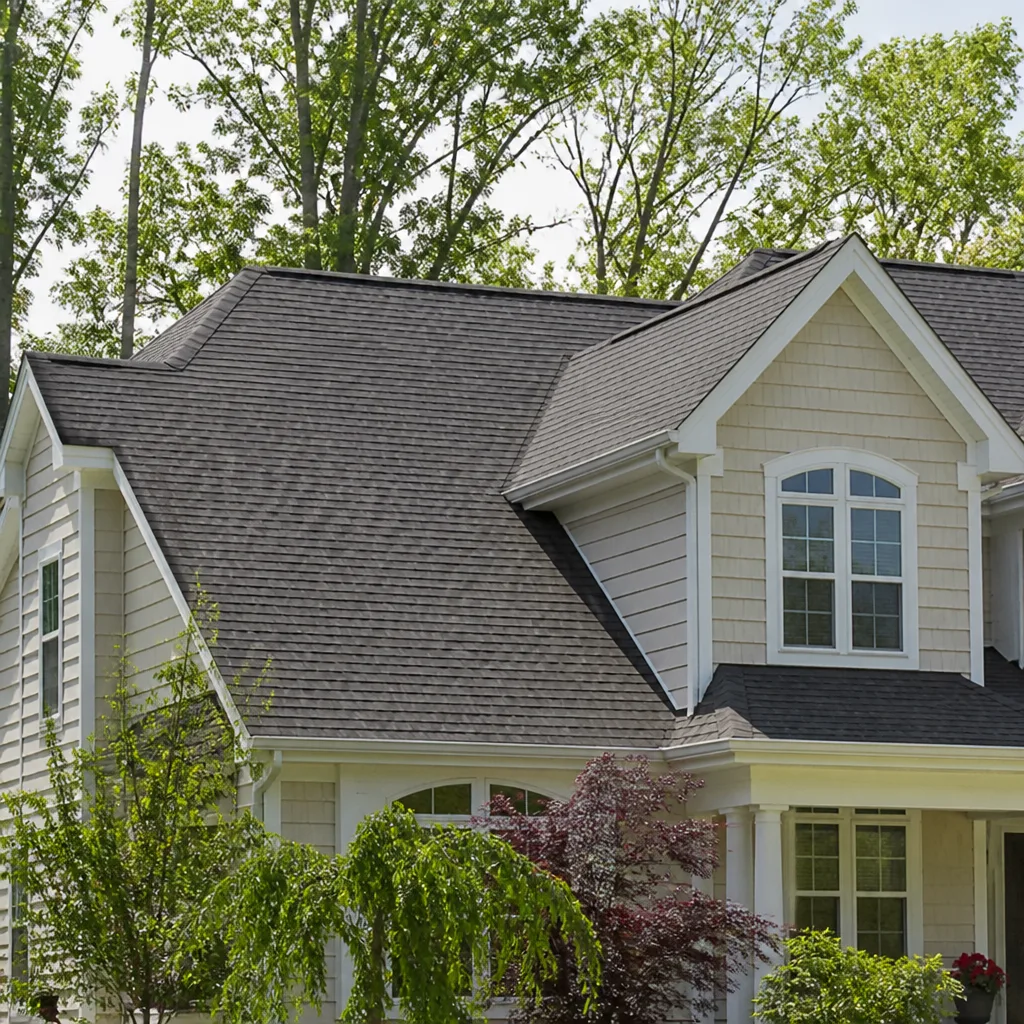 Architectural shingles
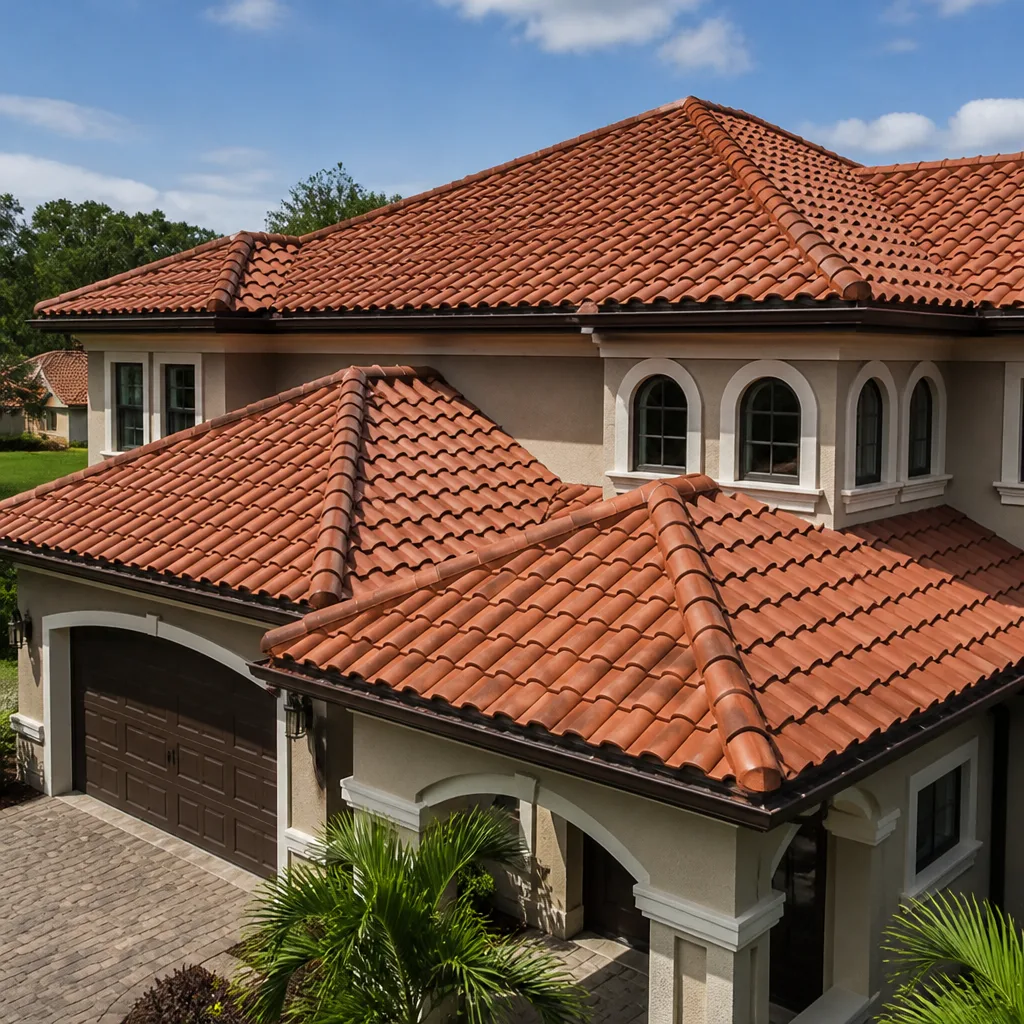 Tile roofing
 GAF
GAF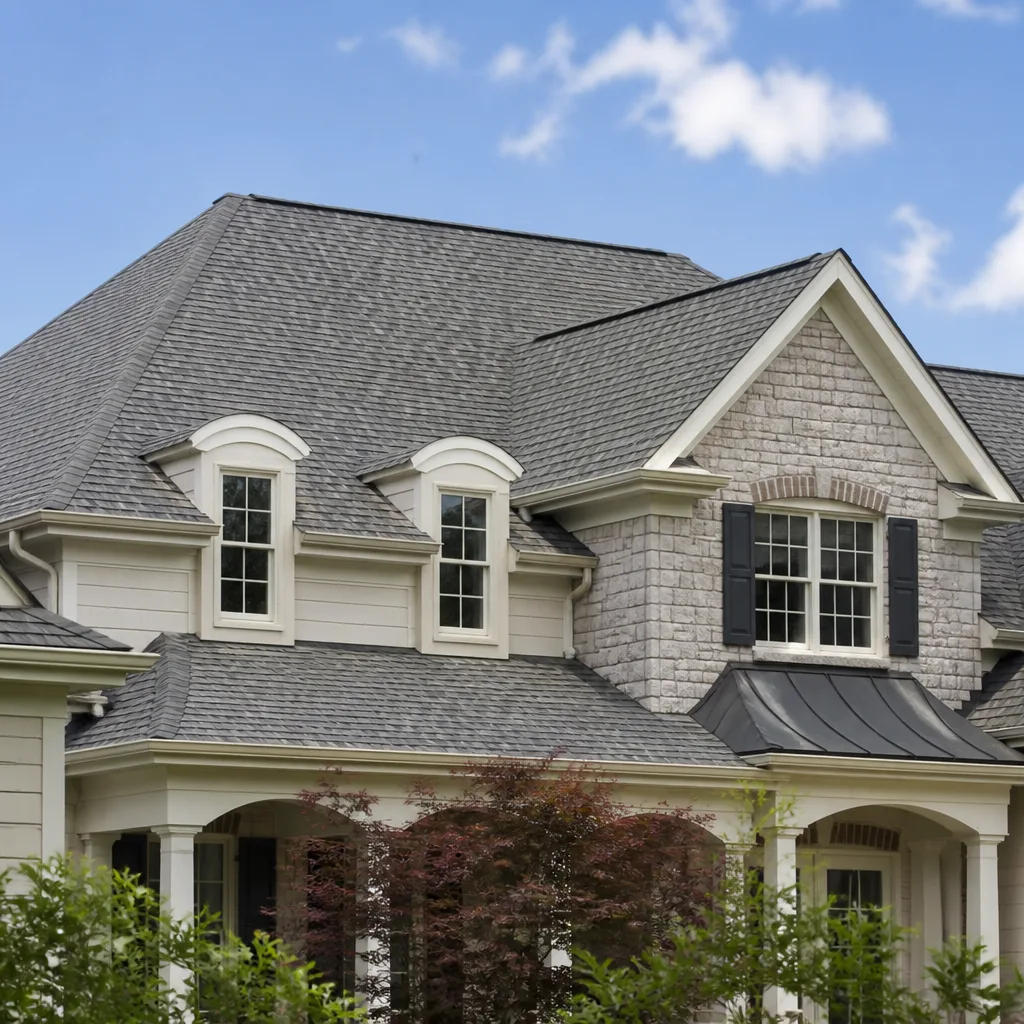 Owens Corning
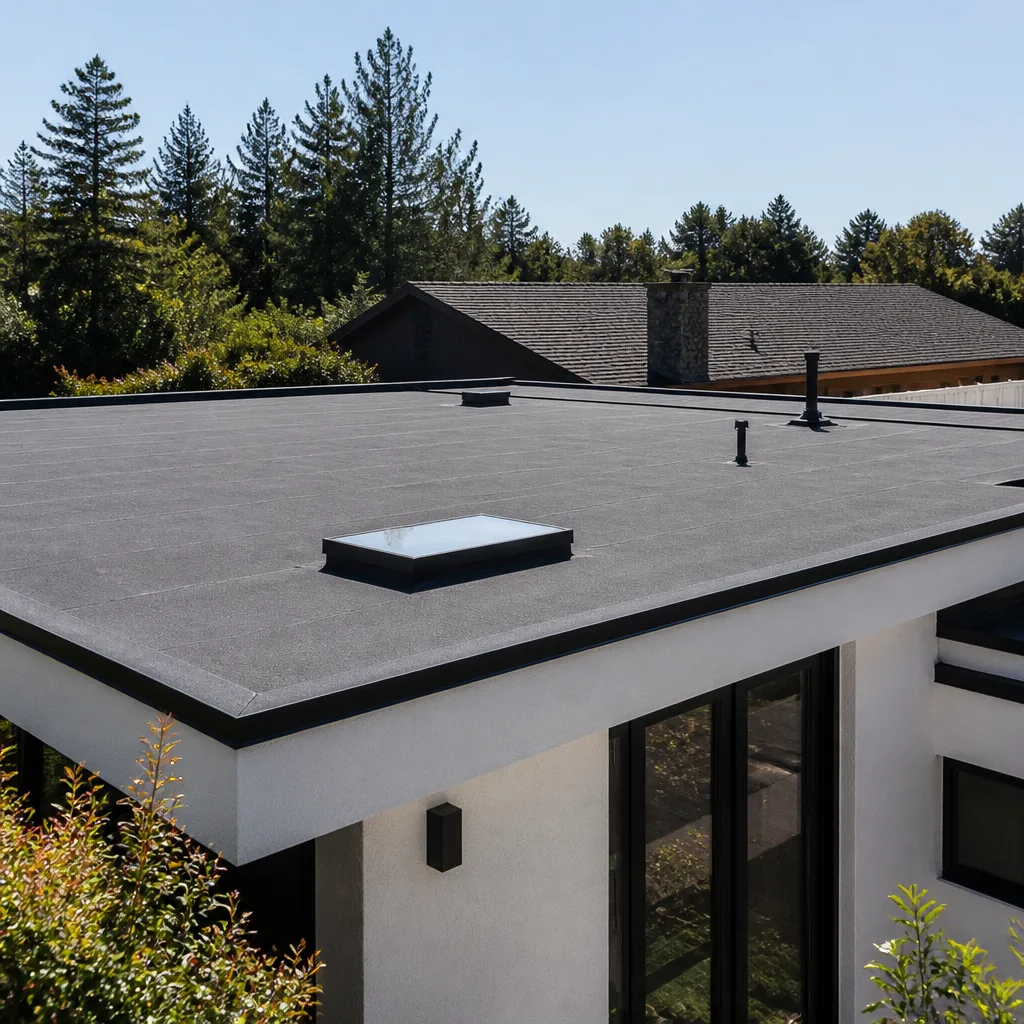 Flat & low-slope
Free roof inspection with deck photos before we talk money - GAF and Owens Corning certified installation
Roofing Cost Breakdown: The Dallas Homeowner’s Reference for 2026
Two roofing quotes for the same 2,400-square-foot house in Dallas can differ by $6,000 or more, and both roofers will tell you their number is accurate. One includes code-required ice-and-water shield in the valleys, step flashing replacement at every wall intersection, and new drip edge around the entire perimeter. The other quote doesn’t mention any of those. The roof goes on either way. The difference shows up three years later when the first hard rain finds the gaps. This guide walks through every line item on a Dallas roof replacement so you can compare bids on equal terms, know what should be included, and spot what’s been left out before you sign anything. For roofing warning signs every Dallas homeowner should know, see our companion guide.
Quick Answer
A full roof replacement in Dallas runs roughly $450 to $750 per square (100 square feet) for architectural asphalt shingles in 2026, meaning a typical 2,400-square-foot home lands between $10,800 and $18,000 before any decking replacement. Standing seam metal runs $950 to $1,400 per square, and concrete tile starts around $1,100 per square. Repairs are far cheaper as individual line items ($275 to $650 for most shingle repairs) but the real cost depends on what caused the damage and whether the fix addresses the root problem or just covers it until the next storm.
Styles & brands we work with
Table of Contents
- Dallas Roofing Material Costs for 2026
- The Nine Line Items on Every Legitimate Dallas Full-Replacement Estimate
- The Three Line Items Low Bidders Quietly Omit
- Why Dallas Labor Costs Shift 8 – 12% by Season
- The Insurance Supplement Process in Real Dollars
- What a $400 Patch Actually Costs Over Two Years
- Common Mistakes to Avoid
- When to Call a Professional
- Frequently Asked Questions
Dallas Roofing Material Costs for 2026
Dallas roofing prices per square (100 square feet) in 2026 reflect both material cost and the labor difficulty of installing that material correctly. The numbers below represent the full installed range, including underlayment, fasteners, and standard tear-off of one existing layer. They assume a straightforward roof geometry: no more than two valleys, a normal pitch, and no decking replacement. Every roofer in Dallas is working from roughly the same distributor price sheets for GAF, CertainTeed, Owens Corning, IKO, Atlas, Tamko, and Boral, so when quotes differ on the same material, the gap almost always comes from scope, not greed.
| Material | Installed Cost per Square (2026) | Typical 2,400 sq. ft. Home | Expected Lifespan in Dallas Climate |
|---|---|---|---|
| 3-Tab Asphalt | $350 – $450 | $8,400 – $10,800 | 12 – 18 years |
| Architectural Asphalt (30-yr) | $450 – $600 | $10,800 – $14,400 | 20 – 28 years |
| Architectural Asphalt (50-yr) | $550 – $750 | $13,200 – $18,000 | 30 – 40 years, weather-dependent |
| Standing Seam Metal | $950 – $1,400 | $22,800 – $33,600 | 40 – 60 years |
| Concrete Tile | $1,100 – $1,600 | $26,400 – $38,400 | 50+ years with proper flashing |
Three things drive these costs in Dallas specifically. First, hail. The Dallas-Fort Worth area sits in the heaviest hail corridor in Texas, and that means two things: insurance carriers scrutinize every claim, and materials rated for impact resistance (Class 3 or Class 4 shingles from manufacturers like Owens Corning or CertainTeed) carry a real price premium of $50 to $100 per square. Second, heat. Dallas summers put roof surface temperatures above 150°F, which degrades cheap sealants and adhesives faster than the manufacturer’s test conditions. Third, code. Dallas adopted the 2021 IRC with local amendments, and enforcement has tightened on nail patterns, starter strip installation, and valley flashing details. All of that is already built into the ranges above if the contractor is pulling permits and passing inspections, which every legitimate roof replacement in Dallas should include as a matter of course.
The Nine Line Items on Every Legitimate Dallas Full-Replacement Estimate
Here is what a complete re-roof scope looks like in writing. If any of these lines are missing from a bid you’re holding, ask why. A roofer who omits them isn’t necessarily dishonest; they may be pricing a “reskin” and calling it a replacement. The roof will still shed water on day one. The problem is what happens on day 400.
- Tear-off and disposal. Removing the existing roof down to the decking. Includes a dumpster or trailer, landfill fees, and time. In Dallas, tear-off of a single layer runs $60 – $90 per square. Two layers pushes it to $100 – $130.
- Decking inspection and replacement allowance. The estimate should state a per-sheet price for damaged plywood or OSB ($65 – $95 per 4’×8′ sheet installed). Without this line, any rotted decking becomes a change order, which is exactly how a fixed bid turns into a higher bill.
- Underlayment. The water-shedding layer beneath the shingles. Synthetic underlayment is standard in Dallas in 2026, running $12 – $18 per square for material and labor. Felt is cheaper and still allowed, but it tears more easily during installation in summer heat.
- Ice-and-water shield in valleys and around penetrations. This self-sealing membrane is code-required in valley locations and around chimneys, skylights, and roof-to-wall intersections under the 2021 IRC as adopted in Dallas. It is the single most commonly missing line item on low bids.
- Drip edge at eaves and rakes. The metal flange that directs water off the fascia and into the gutter. Code-required in Dallas on every replacement. Cheap to install ($1.50 – $3 per linear foot) but expensive to retrofit later.
- Starter strip at eaves and rakes. A specially cut row of shingles that seals the first course and prevents wind uplift at the edges. North Texas wind codes require it. Missing starter strip is how you see shingle edges lifting after the first March wind season.
- Ridge cap. Pre-cut cap shingles that cover the hips and ridges where roof planes meet. They don’t just look better; they bend under heat cycles without cracking, which is exactly where cheap “field shingles cut to fit” fail within five Dallas summers.
- Step flashing at walls and chimney flashing. Every place the roof meets a vertical surface needs metal step flashing tucked under each shingle course and counter-flashed above. This is a labor line item, not a material one, and it is where shortcuts show up as leak stains on bedroom ceilings.
- Pipe boot and vent flashing replacement. Every plumbing vent stack needs a rubber boot, and those rubber boots are not rated for 150°F deck temperatures. Replacing them now means not tearing off shingles later to reach a cracked boot.
Every repair or replacement we do at Tilehurst Roofing Dallas starts with a written price that lists these items so there’s nothing to argue about when the crew is halfway through the job. It is the same reason we put a written guarantee on every repair before the crew leaves, because we know from 25 years of roofing in this market that uncertainty is the thing Dallas homeowners are actually paying to avoid.
The Three Line Items Low Bidders Quietly Omit
When a quote comes in $4,000 or $6,000 below everyone else, one of these three things is usually missing. None of them are visible from the street after the job is done, which is exactly why they’re the first things cut.
1. Ice-and-water shield in valleys. In a city where the freeze-thaw cycle happens eight to twelve times each winter, valley areas are where ice dams form and where leaks begin. The 2021 IRC, adopted with amendments in Dallas, requires a minimum of 18 inches of self-sealing membrane in every valley. A 2,400-square-foot house with two valleys needs roughly $300 – $500 of this material and the labor to install it. Omit it and the bid drops accordingly. The homeowner won’t know until the first hard freeze.
2. Decking allowance. A roofer who has replaced 200 roofs in Dallas knows that roughly one in four needs at least three sheets of decking replaced, especially around vents, chimneys, and any area that has held a leak for more than a season. A bid without a per-sheet allowance means every sheet becomes a change order the homeowner didn’t budget for. That’s not the roofer’s problem; that’s the point.
3. Drip edge replacement. Old drip edge can technically be left in place if it’s in perfect condition, but it almost never is after 15 years of Texas sun and nail holes. The material is cheap. The labor to remove old shingles, set new drip edge, and reinstall cleanly is not. Low bidders skip it, and the first sign is water staining on the fascia or a gutter board that rots from the top down.
This is the entire thesis of how we price roofs at our roofing company in Dallas: the price you see is the price for a complete, code-compliant roof, with every one of those nine items listed and included. If a bid doesn’t list them, it is not a comparison. It is a different product with the same name.
Why Dallas Labor Costs Shift 8 – 12% by Season
The roofing labor market in Dallas is a supply-and-demand machine that follows the hail calendar. April and May are peak storm season in North Texas, which means roofing crews are booked out, materials at distributors get tight, and labor rates tick up by design. Contractors raise prices because they have to pay more to keep good crews from jumping to the next storm-chaser with a bigger offer. The same roof that costs $14,000 in May often costs $12,300 to $12,800 if the work is scheduled in November or January. See our seasonal roofing care guide for Dallas homeowners for more on timing your project.
The pattern runs like this by season:
- November through January: Cooler weather means shingles seal correctly without the summer heat making them overly soft. Crews are available for non-emergency replacements. Labor rates run 8 – 12% below spring peaks. This is the best window for a planned replacement.
- February through April: Rates start climbing as homeowners schedule spring work and hail season approaches. Materials availability tightens at Dallas distribution yards.
- May through July: Peak hail season. Storm chasers arrive from out of state. Crew availability collapses. Prices peak during this window, and homeowners with active leaks are competing for the same crew time. If you don’t have an active leak, this is the most expensive time to replace a roof in Dallas.
- August through October: Prices cool down but heat is a constraint. Shingle installation in 100°F weather requires careful handling because shingles soften and footprints mark more easily. A good crew can still do quality work, but it takes more care and more time.
One caveat: never schedule a replacement during freezing temperatures. Shingles won’t seal properly below about 40°F, and hand-sealing a full roof in winter is a poor substitute for natural thermal sealing. In Dallas, that means a hard freeze in February is not the time to start a tear-off, and any roofer who says otherwise is in a hurry to fill a slow week.
The Insurance Supplement Process in Real Dollars
When Dallas hail damages a roof, the insurer sends an adjuster who writes an estimate based on a software snapshot: X dollars for shingles, Y dollars for tear-off, standard waste factor. The initial payout on a 2,400-square-foot home typically lands between $9,000 and $12,000. The legitimate cost of a code-compliant replacement, using the nine line items above, often comes in at $13,000 to $16,000. The gap is called the supplement, and it is not a scam; it is the difference between a software estimate and a roof that meets Dallas code.
Here is what the supplement process looks like in practice:
- The adjuster’s initial estimate usually omits code items like drip edge, starter strip, and ice-and-water shield in valleys, all of which Dallas now requires on every replacement. Total gap: $800 to $1,500.
- It usually under-calculates the waste factor. A roof with two valleys, a hip, and three penetrations needs 10 – 15% more shingles than the roof’s square footage suggests. Under-counting saves the insurer $400 to $800 on a typical job.
- It usually doesn’t include decking replacement at all, even when the adjuster noted water stains in the attic. Per-sheet cost on an insurance replacement runs $65 to $95. Four sheets equals $260 to $380.
- It often prices labor at “market rates” from a database that hasn’t been updated for Dallas’s post-storm reality. The real labor rate difference is $20 to $40 per square.
A good Dallas roofer documents all of this and files the supplement on your behalf, with photos and code citations, until the carrier agrees to cover the legitimate cost. Some roofers charge a fee for supplement work. Others, like us, include it as part of the job because a roof replacement that isn’t code-compliant doesn’t protect anything. The key is to ask before signing: who handles the supplement, what happens if the carrier refuses, and is there a fee if the supplement gets denied. Get it in writing.
What a $400 Patch Actually Costs Over Two Years
Here is a real scenario from this year’s work in Dallas, with the numbers to match. A homeowner in Lake Highlands calls about a small leak. The roofer who comes out finds two missing shingles around a vent boot, nails them back, squeezes sealant around the boot, and charges $400. The roofer leaves. Fourteen months later, the same leak is back. This time the decking around the vent is soft, the underlayment has rotted through, and the repair involves cutting out four sheets of plywood, replacing the pipe boot, adding ice-and-water shield, and re-shingling the area. The bill is $2,300.
The $400 patch didn’t save $1,900. It cost $2,700 total and two separate interruptions to the homeowner’s life. The original problem was a cracked pipe boot, not the two missing shingles. The shingles were a symptom. A repair that addressed the boot directly would have run $575 to $750 and lasted fifteen years. Instead, the patch bought fourteen months.
This is the math most Dallas homeowners never see because the first roofer didn’t write up what he actually found, and the second roofer has no interest in explaining the first roofer’s mistake. The lesson: when someone hands you a repair quote, ask what the cause is, not just what the fix is. Shingles don’t come off roofs by themselves. They come off because the nails backed out of soft decking, or a boot cracked and water loosened the fasteners, or a tree limb has been dragging across the ridge for a year. Fix the cause and the repair lasts. Cover the symptom and you’ll be calling someone else in fourteen months. Or calling us, which is fine, but we’d rather the first repair had been done right.
Common Mistakes to Avoid
- Comparing bids without comparing scopes. A $12,000 bid with drip edge, starter strip, and valley shield included is cheaper than an $11,000 bid that omits all three. Read every line, not just the bottom number.
- Believing a repair quote over the phone. No legitimate roofer can diagnose a roof from the curb. The best they can give you is a range. If someone quotes you an exact price over the phone without walking the roof, you are being sold, not assessed.
- Waiting until the leak stains the ceiling. By the time water shows up on drywall, it has already traveled through the underlayment and soaked the decking. That’s the difference between a $400 repair and a $2,300 one.
- Thinking all shingles are equal. A Class 3 impact-rated architectural shingle from Owens Corning or CertainTeed costs more up front and costs less over the life of a Dallas roof, because hail doesn’t care what your budget was. If your home is in a hail-prone corridor, which covers most of the metro, the insurance discount alone often pays the difference within a few years.
- Skipping the written guarantee on a repair. If the roofer can’t or won’t put the guarantee in writing before leaving, the guarantee doesn’t exist. Every repair we complete gets a written guarantee before the crew packs up, because that is the only version of a guarantee that means anything.
- Letting the insurer close the claim before the work is done. Once a claim is closed, reopening it for a supplement is harder. Work with a roofer who documents the damage and files the supplement before you sign off.
When to Call a Professional
Every roof work job with a height component is a safety risk, and no guide should pretend otherwise. Falling from a roof is one of the leading causes of construction fatalities in Texas, and a homeowner with a ladder they bought at a big-box store is not equipped to inspect for the kind of damage that matters. If you can see daylight through the attic decking, if shingles are missing after a storm, if your ceiling is staining, or if your roof is older than 15 years and has never been professionally inspected, call someone. If you are not comfortable on a ladder at all, do not get on one. Tilehurst Roofing Dallas offers free estimates in Dallas, and our estimators arrive with the same written-price commitment we give every customer, so you will know the number before any work is discussed. Call (903) 499-4275 to schedule one. It costs nothing to have the roof looked at by someone who does this every day, and the inspection will tell you more about the condition of your roof than anything you can read on a website.
Frequently Asked Questions
A new architectural shingle roof in Dallas runs $10,800 to $18,000 for a typical 2,400-square-foot home in 2026, before any decking replacement. Standing seam metal starts at $22,800, and concrete tile starts at $26,400 for the same size home. Every roof is different, and the exact number depends on pitch, number of valleys, number of existing layers, and decking condition. Call (903) 499-4275 for a written estimate specific to your house.
Architectural asphalt shingles are the best value in Dallas’s climate. 3-tab shingles are cheaper per square at $350 to $450, but they fail sooner under North Texas hail and heat, so the 30-year architectural shingle at $450 to $600 per square is the better long-term buy.
Because the quotes are usually pricing different scopes. One includes ice-and-water shield, drip edge, starter strip, and a decking allowance; the other doesn’t. The lower quote is not cheaper; it is less complete. Compare line items, not bottom lines.
Yes. Ice-and-water shield is code-required in Dallas in valleys and around penetrations. The city’s freeze-thaw winters create the same ice dam conditions that northern climates do, and this self-adhering membrane is what seals against them. Any estimate that doesn’t list it is not complete.
Most reputable Dallas roofers will document the gap between the insurer’s initial estimate and the code-compliant replacement cost, and file a supplement with photos and code citations. Ask before signing: who handles it, what happens if it’s denied, and is there a fee. Get the answer in writing.
Typically yes, by 8 to 12 percent for non-emergency work. November through January sees lower labor rates and better crew availability in Dallas, though freezing weather can delay the job. Summer is peak season and peak pricing.
The Bottom Line
A Dallas roof quote is not a single number. It is a list of decisions, and most of those decisions are about what’s included and what’s not. The roofing that protects your house for 20 to 30 years costs exactly what it costs; what changes from bid to bid is scope, and scope is what most contractors quietly adjust to win the job. Read the line items. Ask about drip edge, valley shield, decking allowance, and pipe boots. Get the price in writing before the work starts, and the guarantee in writing before the crew leaves. If a bid can’t do that, it is not a bid; it is a risk estimate. That is the whole game, and now you know how to play it.
Written by Greg Holloway, Owner at Tilehurst Roofing Dallas, serving Dallas since 2000.
See the difference
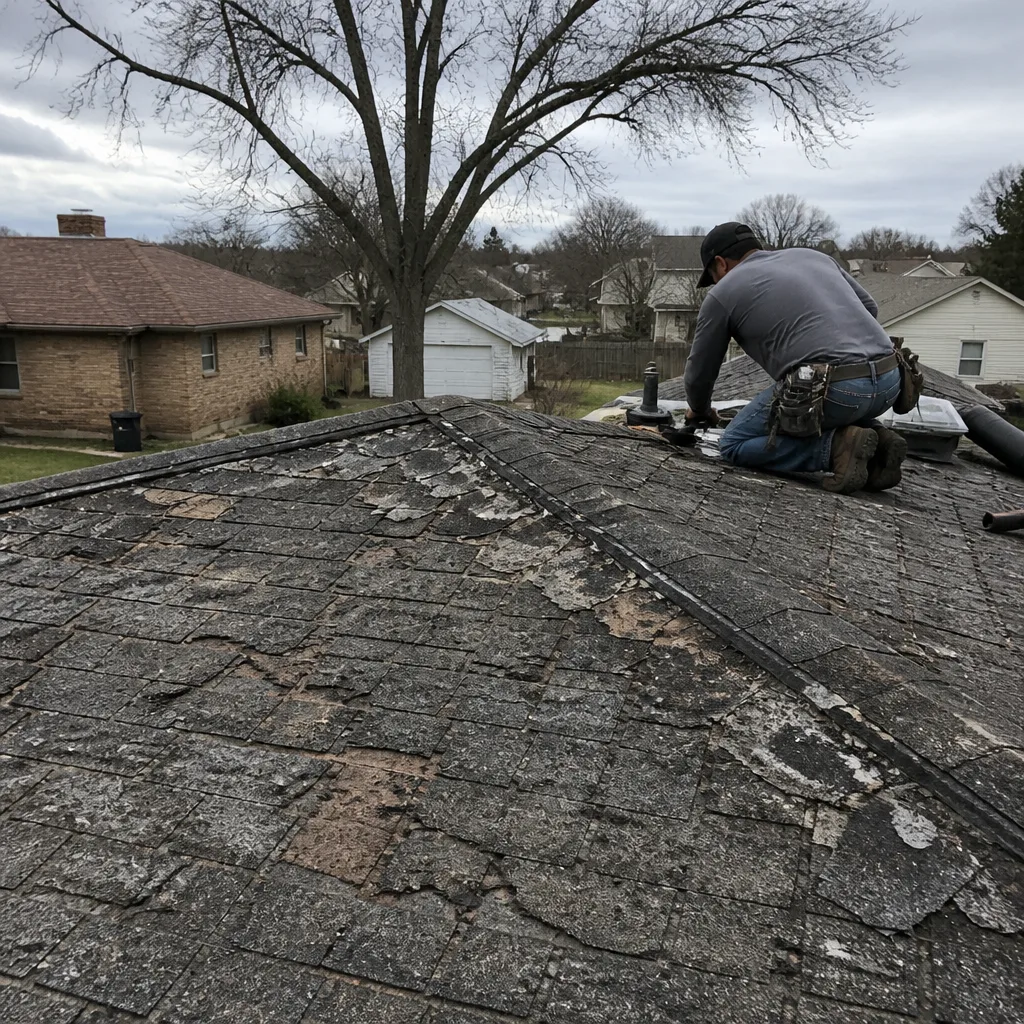 Before
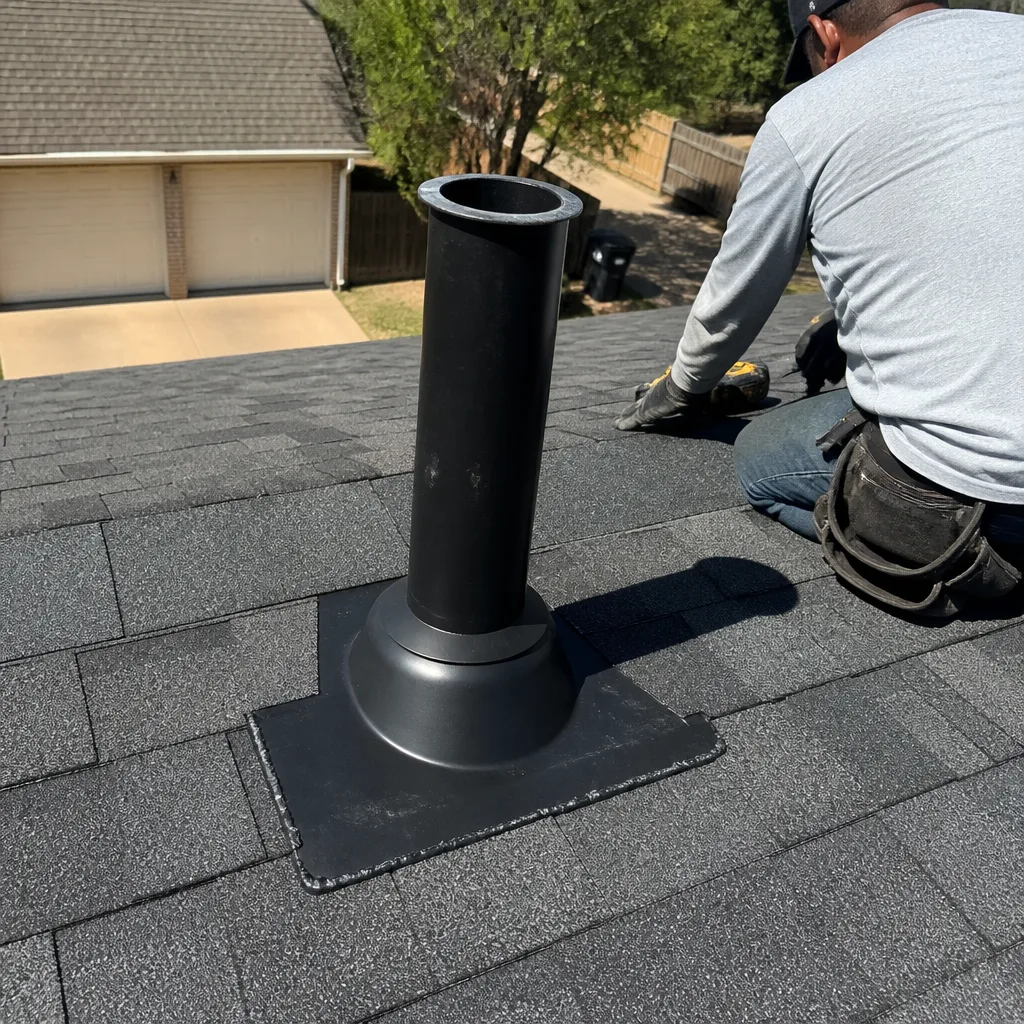 After
After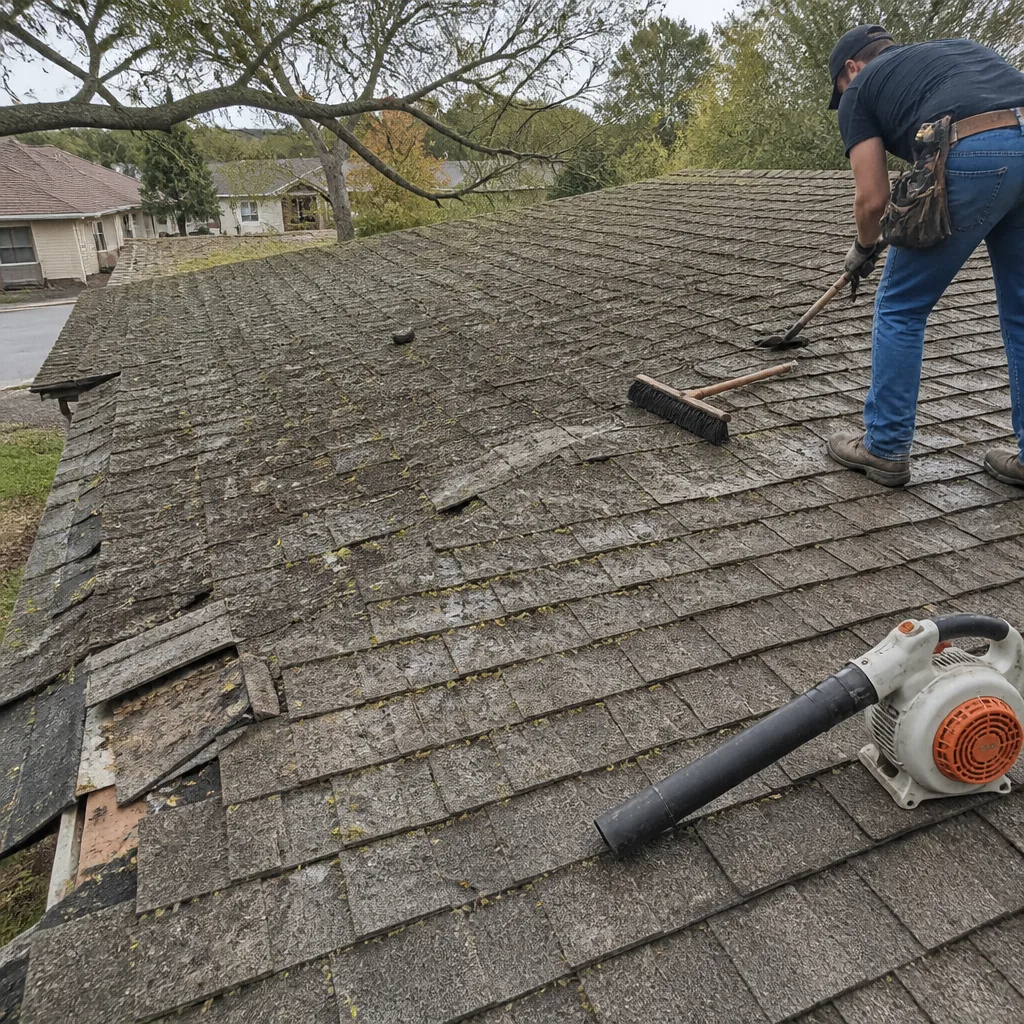 Before
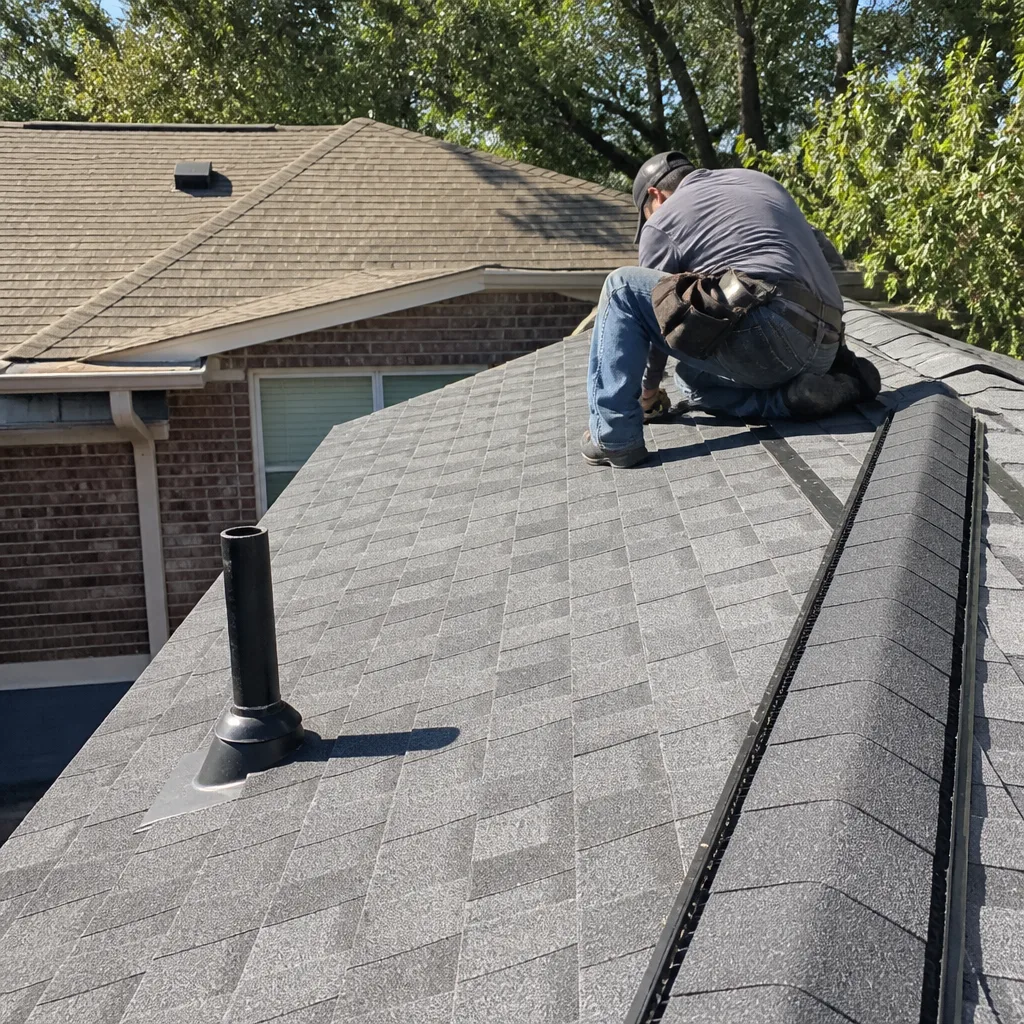 After
After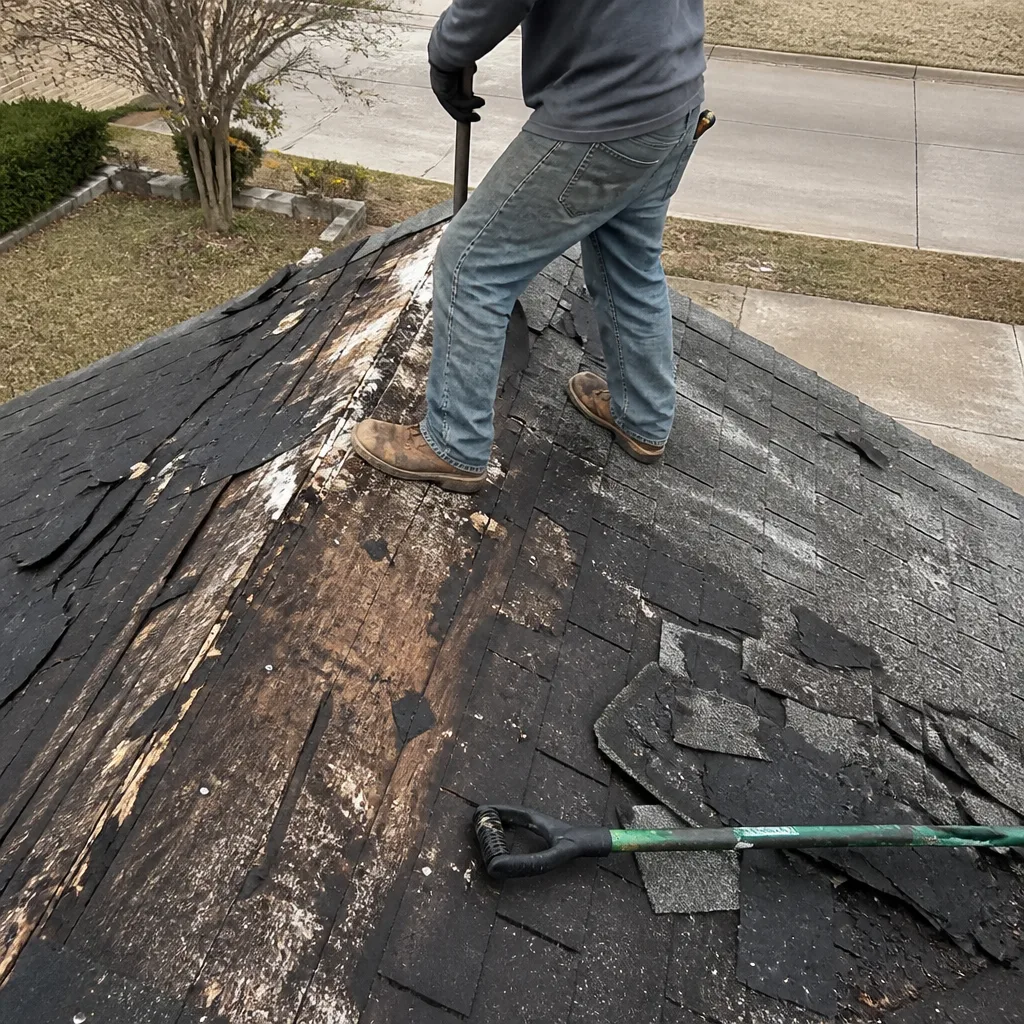 Before
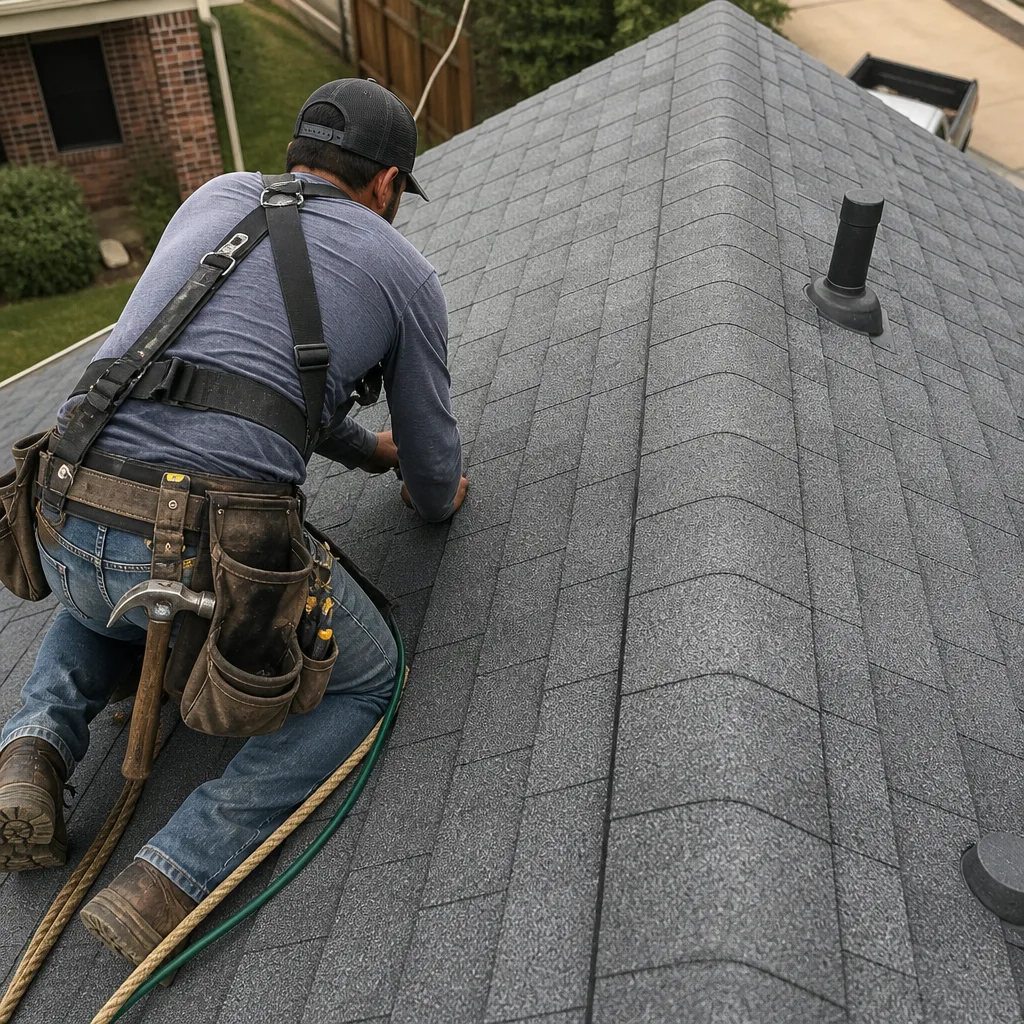 After
After