
Last updated October 17, 2026
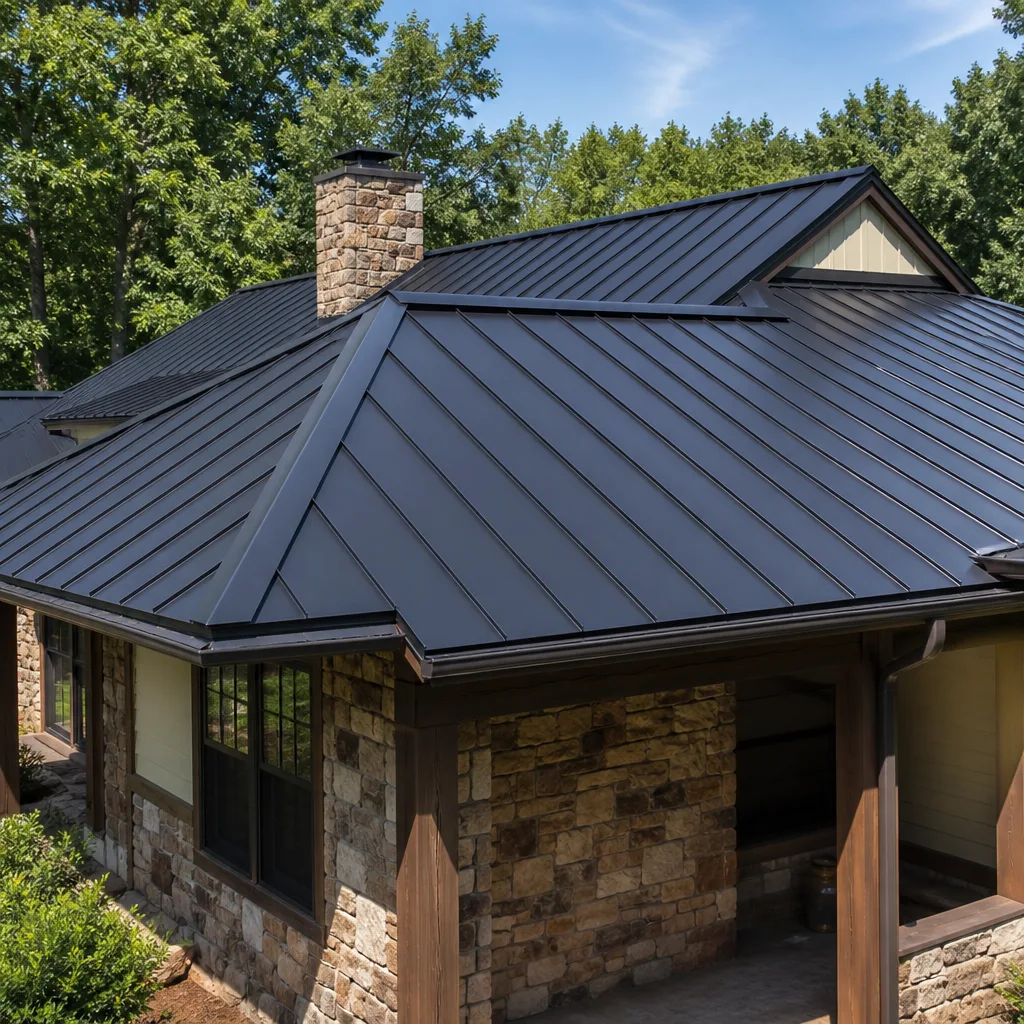 Metal roofing
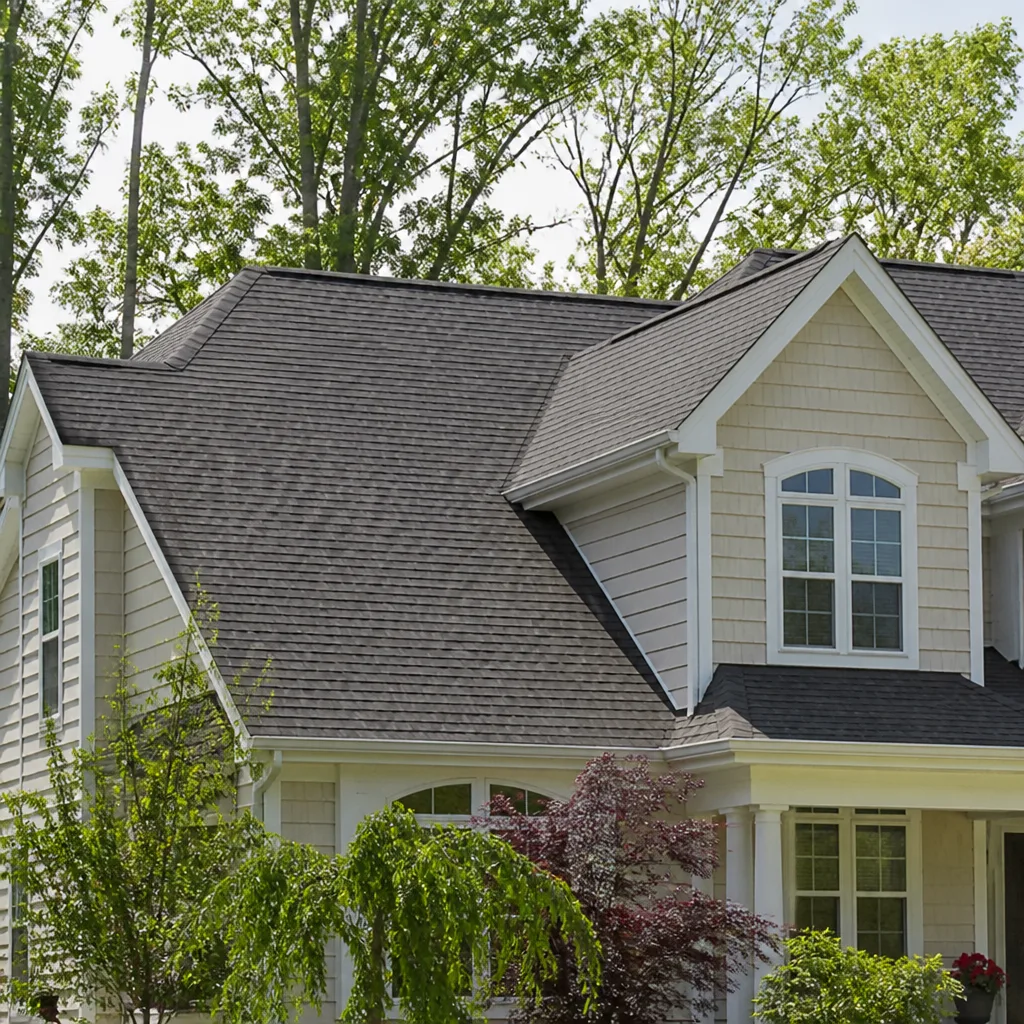 Architectural shingles
 Tile roofing
 GAF
GAF Owens Corning
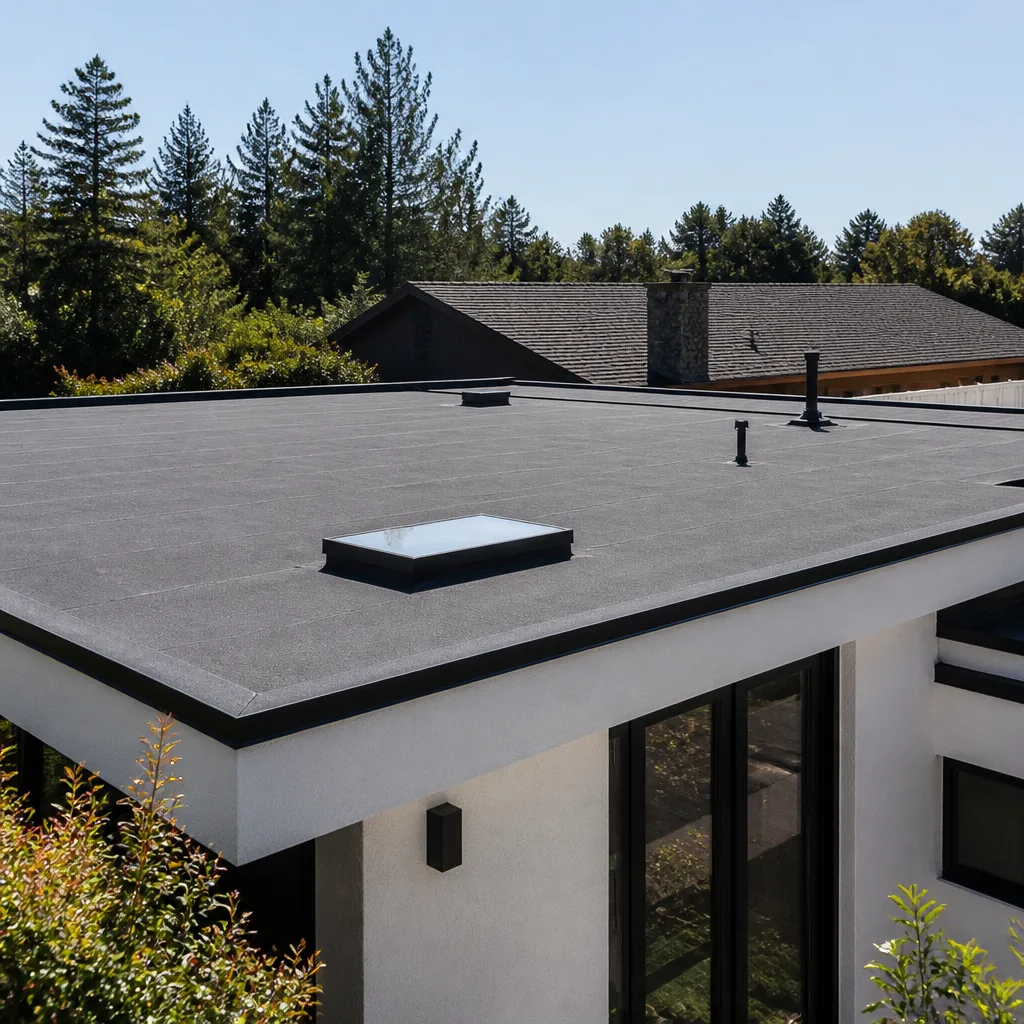 Flat & low-slope
Free roof inspection with deck photos before we talk money - GAF and Owens Corning certified installation
Roofing Company Maintenance Checklist for Dallas Homeowners
A maintenance visit that takes under 20 minutes and produces no written report isn’t maintenance – it’s a sales walk. Here’s a number that should make every Dallas homeowner pause: the difference between a roof that lasts 15 years and one that lasts 25 often comes down to roughly two hours of documented inspection work spread across those years. Not expensive repairs. Just someone actually looking, writing things down, and catching a $12 problem before it becomes a $4,000 problem. Dallas gives us a particular set of challenges – hailstorms that tear through in April, summer heat that bakes asphalt shingles to 160 degrees, and October wind gusts that find every loose nail. This guide gives you the exact checklist a legitimate roofing company in Dallas should be working from, so you can hold any contractor accountable – including us.
Quick Answer
A professional roof maintenance checklist for a Dallas home should include 11 specific inspection points – shingle condition, flashing seals, drip edge, decking, underlayment, ridge caps, valleys, penetrations, gutters, attic ventilation, and the written report itself. The most valuable inspection window is October, after summer heat stress and before the freeze-thaw cycle begins. Any maintenance visit worth paying for ends with a written report, photos, and a signed guarantee – not a verbal “looks fine to me.”
Styles & brands we work with
Table of Contents
- The 11-Point Checklist Every Dallas Roof Inspection Must Cover
- Why October Is the Most Valuable Month for a Dallas Roof Inspection
- What to Check From Ground Level After a Hailstorm (No Ladder Required)
- How to Verify Flashing Was Actually Resealed, Not Just Eyeballed
- The Paper Trail That Protects Your Insurance Claim
- What a Legitimate Dallas Roofing Company Does vs. What Storm-Chasers Skip
- Common Mistakes to Avoid
- When to Call a Professional
- Frequently Asked Questions
- The Bottom Line
The 11-Point Checklist Every Dallas Roof Inspection Must Cover
A real roof maintenance visit in Dallas produces a written document. Not a business card with a phone number and a smile. Here are the 11 specific items a professional inspector should document in writing, with photos, before the crew leaves your driveway. If your contractor can’t produce this report, you didn’t get maintenance – you got a sales pitch.
- Shingle condition assessment. The inspector should document granule loss, curling edges, cracking, and any shingles lifted by wind. In Dallas, we regularly see thermal splitting on south-facing slopes – the summer sun cooks one side of the roof while the other stays cooler, and the expansion-contraction cycle literally tears shingles apart over a decade.
- Flashing inspection at every penetration. This means the metal around your chimney, skylights, plumbing vents, and HVAC curbs. Each one should be photographed and noted as sealed, questionable, or failing.
- Drip edge verification. Drip edge is the metal strip along your roof’s edge that channels water into the gutter instead of letting it wick back under the shingles. It’s one of the cheapest components on a roof and one of the most commonly skipped by fast crews.
- Decking integrity check. From the attic side, the inspector should look for soft spots, water stains, or sagging plywood. Decking failure is what turns a $900 repair into a $9,000 replacement.
- Underlayment inspection at eaves and valleys. The synthetic or felt layer under your shingles is your last line of defense. At roof edges and in valleys where water concentrates, it wears first.
- Ridge cap examination. The caps along your roof’s peak take the most wind abuse. An inspector should check for cracked caps, exposed nails, and missing sealant.
- Valley inspection. Valleys channel more water than any other part of the roof. Debris piles up here, and so does the damage.
- Penetration boot checks. The rubber boots around plumbing vents crack from UV exposure in about 8-10 years in Dallas. A $12 boot replacement prevents a slow leak that rots decking for years before you notice the stain on your ceiling.
- Gutter and downspout evaluation. Clogged gutters back water up under the shingles at the eaves. The inspector should document gutter condition, downspout flow, and any separation from the fascia.
- Attic ventilation confirmation. Improper ventilation voids most manufacturer warranties and cuts shingle life by years. The inspector should verify intake and exhaust airflow are balanced.
- The written report itself. The report should itemize every finding with photos, note what was repaired, what was sealed, what should be watched, and include a signature. At Tilehurst Roofing Dallas, this report is part of every maintenance visit – not an add-on you have to request.
Each item is individually addressable. Shingle curl can be corrected with re-sealing. A cracked boot gets replaced. A soft spot in the decking gets noted with a measurement and a repair quote. The point is documentation – you should never have to remember what the roofing guy said three years ago when your insurance adjuster asks about your maintenance history. For details on local requirements, read our guide to Roofing Permits, Codes & Inspections in TX: What You Need to Know.
Why October Is the Most Valuable Month for a Dallas Roof Inspection
October is the money window for Dallas roof maintenance, and almost nobody schedules it then. The logic is simple: your roof has just survived another brutal summer – 100-degree days, UV bombardment, and the occasional June hailstorm – and it’s about to face the winter cycle that Dallas homeowners underestimate. We get freezes in Dallas. We get ice dams in January more often than people assume, especially on north-facing slopes. That freeze-thaw cycle is when small cracks become split shingles, because water seeps in, freezes, expands, and forces the crack wider.
An October inspection catches everything from the summer while the weather is still dry enough to make repairs that actually hold. Sealant cures properly above 50 degrees. Roofing adhesive needs time to bond before the first cold snap. If you wait until January to discover that your flashing loosened in an August wind storm, you’re trying to make that repair in conditions that actively work against adhesion.
There’s also a practical scheduling reality. Spring is chaos in Dallas – that’s when the storm-chasers roll in after April hailstorms and roofing crews get booked six weeks out. In October, a roofing company in Dallas can typically schedule you within a week, do the work properly, and hand you a report before the holiday season eats everyone’s calendar. For the cost of a standard maintenance visit – most asphalt-shingle inspection and minor-repair packages in Dallas run $200 – $450 depending on roof size and complexity – you buy yourself documentation, early detection, and leverage with your insurance company.
If you only schedule one roof inspection per year, make it October. If you schedule two, the second one goes in April, after the primary hail season. But the October visit is the one that determines whether your roof enters winter with open wounds or a clean bill of health.
What to Check From Ground Level After a Hailstorm (No Ladder Required)
When the National Weather Service reports hail in your Dallas zip code, you don’t need to climb a ladder to do a meaningful initial assessment. Here’s what to look for from the ground, standing in your yard with both feet planted firmly on the grass.
- Check your gutters and downspouts for granule accumulation. Asphalt shingles shed granules when hail strikes. After a hailstorm, run your hand along the inside of your gutters (from a step stool, not the roof) and look for a gritty, sand-like buildup. Granule loss is the first visible sign of hail damage. In neighborhoods like Lake Highlands and Preston Hollow, we routinely find gutters loaded with granules after even moderate hail events.
- Look for dents in soft metal. Walk around your house and check the metal surfaces – gutter elbows, downspouts, roof vents, the aluminum flashing around your chimney if visible. Hail dings in these softer metals tell you the roof deck took a beating too. If your car was parked outside and shows hail dents, your roof has damage. Period.
- Scan for displaced shingles. Use binoculars if you have them. Look for shingles that are lifted, turned, or missing. After high-wind hailstorms, the damage pattern is usually visible as dark patches where shingles have shifted.
- Check your attic for water staining. Wait 24-48 hours after the storm, then go into your attic with a flashlight and look for dark streaks on the underside of the decking. This is the earliest interior sign of a breached roof.
- Document everything with your phone. Photos of granule accumulation in gutters, dents in downspouts, and any visible shingle displacement establish a timeline for your insurance claim. Date-stamp everything.
None of this replaces a professional inspection – roof repair in Dallas after hail often requires an on-roof assessment to document impact patterns that insurance companies require. But this ground-level check tells you whether you need to make that call immediately or whether you’re dealing with cosmetic damage that can wait for your next maintenance window.
How to Verify Flashing Was Actually Resealed, Not Just Eyeballed
Here’s the uncomfortable truth about flashing: it’s the most common point of failure on Dallas roofs, and the most commonly faked repair in the industry. Flashing is the metal material installed at roof intersections – around chimneys, skylights, dormer walls, and HVAC penetrations. When it fails, water gets behind it and runs along the roof deck, causing rot that you won’t see until the ceiling starts staining.
The problem is that flashing problems are often invisible from the ground. A contractor knows this. An unscrupulous one will claim to have “resealed” your flashing, charge you for it, and never actually touch the roof. You can’t tell from your driveway whether the work was done. Here’s how to verify it was:
- Ask for before-and-after photos. A legitimate company documents flashing work with close-up photos showing the old sealant removed, the new sealant applied, and the finished result. If the contractor can’t produce these photos, assume the work wasn’t done.
- Request the specific sealant type. Different flashing materials require different sealants. For most residential flashing in Dallas – aluminum or galvanized steel – a roof-grade polyurethane or silicone sealant is standard. If the contractor can’t name what they used, that’s a red flag.
- Check for tool marks or debris. Real flashing work leaves evidence: old sealant scraped away, new sealant in place, sometimes small metal fasteners replaced. If your roof looks exactly the same as before the “repair,” it probably is.
- Ask about the surrounding shingles. Proper flashing repair usually involves lifting the surrounding shingles, cleaning the area, applying sealant, and re-setting the shingles. If the contractor describes the job as “just caulking around the pipe,” they’re describing a temporary patch, not a proper reseal.
- Get the repair on the written report. The Kingswell Way includes a written guarantee on every repair – which means the flashing work should be itemized on your maintenance report with a specific, dated guarantee. If the repair fails inside that guarantee period, the crew returns at no charge. That guarantee is meaningless unless it’s on paper.
At Tilehurst Roofing Dallas, every flashing repair includes documentation: photos, sealant type, and a written guarantee delivered before the crew leaves. That’s not a premium add-on – it’s the standard. If any contractor gives you verbal assurance without paperwork, you’re not being maintained. You’re being managed.
The Paper Trail That Protects Your Insurance Claim
Insurance companies look for reasons to deny roof claims. The most common denial in Dallas isn’t “the damage isn’t covered” – it’s “the damage resulted from lack of maintenance.” That’s the language that appears in denial letters, and it’s almost impossible to fight without documentation.
Here’s the paper trail a legitimate maintenance visit should leave behind, and why each piece matters.
- Dated inspection report. This is the foundational document. It proves you had a professional assess your roof on a specific date, before the storm that caused the damage. Without it, your claim rests on the adjuster’s assumption that you neglected the roof.
- Photographic evidence. The report should include dated photos of every problem area. When you file a hail claim in April, those October photos showing a roof in good condition become your baseline. The adjuster can’t argue pre-existing damage if you have documented proof of a clean inspection.
- Itemized repair receipts. Every repair – even a $12 plumbing boot replacement – should generate a receipt. These receipts collectively prove an ongoing maintenance pattern. Insurance companies treat a roof with a 5-year paper trail very differently than a roof with no history.
- Manufacturer warranty documentation. If your shingles are under a manufacturer warranty, that warranty typically requires professional installation and regular maintenance. Your maintenance report is the proof you upheld your end of the warranty – which matters if you ever need to file a warranty claim.
- Before-and-after photos of any repair work. If you had flashing resealed in October and water still got in during a January freeze, those photos show the repair was done correctly – meaning the leak came from a different source, and that’s a new claim, not a failed repair.
- The written guarantee on every repair. When Tilehurst Roofing Dallas completes a repair, the written guarantee is part of the package – signed, dated, and delivered before the crew leaves. That guarantee is evidence that the work was done to a professional standard, not a DIY patch.
Here’s the scenario we see play out in Dallas all the time: a homeowner files a hail damage claim in May. The adjuster comes out, looks at the roof, and says “this granule loss is from normal wear, not hail.” The homeowner has no response because they have no documentation. Now flip it: the homeowner has an October inspection report showing a full granule assessment with photos, a clean bill of health, and a signed maintenance agreement. The April hailstorm hits. The May claim gets approved because the homeowner can prove the roof was in good condition seven months before the storm. That’s the difference a paper trail makes.
What a Legitimate Dallas Roofing Company Does vs. What Storm-Chasers Skip
Dallas gets storm-chasers every spring. They follow the hail, knock on doors in neighborhoods like Lakewood and Richardson, and offer “free roof inspections” that are really just opportunities to pressure you into signing a contract. Here’s the difference between what they do and what a legitimate local company does on a maintenance visit.
A storm-chaser typically:
- Spends 10-15 minutes on the roof, mostly taking photos for their own sales pitch
- Produces no written report for the homeowner
- Claims extensive damage without showing you specific evidence
- Pressures you to file an insurance claim immediately
- Provides no local references and no verifiable Dallas address
- Offers a price that changes once you get the “official” quote
A legitimate maintenance visit from a Tilehurst Roofing Dallas home crew includes:
- A full inspection against the 11-point checklist detailed above
- Written documentation of every finding, with photos, before the crew leaves
- Specific, itemized recommendations – and a written price before any work starts
- No pressure to file an insurance claim unless the damage genuinely supports one
- Background-checked, uniformed technicians you can identify by name
- A live person answering the phone when you call to schedule – 24/7, including nights and weekends
One of the most telling signs is how the company handles the inspection itself. A real maintenance visit takes 45 minutes to an hour on a typical Dallas single-family home, sometimes longer on complex roofs with multiple penetrations. A storm-chaser’s “inspection” takes 15 minutes because they’re not inspecting – they’re selling. The Kingswell Way is built around a simple principle: say the price before the work, show up in the window we gave, leave the place cleaner than we found it, put the guarantee in writing, come back if it fails. That’s the standard a legitimate maintenance checklist embodies, and it’s the standard you should hold any contractor to.
Material Choices That Matter for Dallas Roof Maintenance
Your maintenance checklist should account for the material on your roof, because different materials fail differently in Dallas. We install shingles from seven major manufacturers – GAF, CertainTeed, Owens Corning, IKO, Atlas, Tamko, and Boral – not because we’re trying to win a variety contest, but because a 1960s ranch in Casa View has different needs than a new-build in Frisco.
Asphalt shingles dominate Dallas roofs for a reason: they handle our heat acceptably well and cost less up front. But within asphalt, there are meaningful differences. CertainTeed’s Landmark line, for example, carries a 110-mph wind warranty, which matters in Dallas where spring thunderstorms routinely produce 60-80 mph gusts. Owens Corning’s Duration shingles use a woven fabric reinforcement that resists nail pull-through better than standard shingles – relevant because nail pull-through is a primary failure mode when our winter freezes cause decking to expand and contract. GAF’s Timberline line offers a proprietary adhesive that bonds shingles against wind uplift, which becomes important during the October wind events that scatter loose shingles across Dallas neighborhoods.
For homeowners who want to stop doing shingle maintenance entirely, Boral makes a stone-coated steel product that handles hail better than asphalt and carries a 50-year warranty. It’s more expensive up front – often 2-3 times the cost of asphalt – but the maintenance checklist shrinks dramatically. We don’t push it on everyone. We mention it because part of genuine maintenance advice is knowing when the best repair is a replacement, and roof replacement in Dallas is a decision that should be made with a clear understanding of what each material actually costs and how it performs in our climate.
The point for your maintenance checklist: document what material is on your roof, note its age, and have the inspector note any material-specific failures. A cracked boot is a cracked boot regardless of shingle brand, but granule loss patterns, wind-lift damage, and thermal splitting all present differently depending on the product. Your written report should reflect that.
Common Mistakes to Avoid
- Skipping the October inspection because “the roof looks fine.” This is the most expensive mistake on the list. By the time a roof problem is visible from the ground in Dallas, it has usually been developing for 6-18 months. The October inspection is cheap insurance against the January leak.
- Hiring a company that doesn’t provide a written report. No report, no maintenance. If the contractor won’t put findings in writing, they weren’t inspecting – they were prospecting. A verbal summary has zero value for insurance purposes and zero accountability.
- Ignoring small leaks because they’re “just a drip.” In Dallas, we’ve seen a single failed pipe boot drip onto decking for nine months before the homeowner noticed the ceiling stain. That drip rotted a 4-foot section of decking and turned a $12 repair into a $2,800 decking replacement.
- Letting a storm-chaser handle your post-hail inspection. Storm-chasers are not local. They don’t maintain roofs – they chase claims. When they’re gone in three weeks, your guarantee leaves with them. A local company with a Dallas address and a live person answering the phone is the only one that can honor a written guarantee.
- Not verifying flashing work was actually done. As covered above, flashing is the most commonly faked repair in roofing. Demand photos, demand the sealant type, demand the itemized report entry with a guarantee. If any of those are missing, assume the work wasn’t done.
- Filing an insurance claim without documentation. The time to build your paper trail is before the storm, not after. An October inspection with photos and a clean report is the single strongest document you can hand an adjuster.
- Assuming all shingle brands perform the same in Dallas heat. They don’t. Thermal splitting is dramatically more common with some products than others, and that’s a Dallas-specific failure mode driven by our south-facing slope exposure. If your inspector doesn’t note which slopes show thermal stress, they’re not inspecting for Dallas conditions.
When to Call a Professional
Some things you can assess from the ground. Some things you can’t. Call a professional when you see granule accumulation in your gutters after a storm, when you notice a water stain on your ceiling that wasn’t there last month, when your attic smells musty or shows dark streaks on the decking, when shingles are visibly lifted or missing after a Dallas wind event, or when your roof is over 15 years old and hasn’t had a documented inspection in the last 24 months. Also call if you’re buying or selling a Dallas home – a maintenance report becomes part of the negotiation. Tilehurst Roofing Dallas offers free estimates in Dallas – call (903) 499-4275 and a live person will answer, 24 hours a day, including nights and weekends.
Frequently Asked Questions
A typical roof maintenance inspection in Dallas runs $200 – $450 for a single-family home, depending on roof size, complexity, and whether minor repairs like boot replacement or flashing reseal are included. Most companies separate the inspection fee from repair costs, but at Tilehurst Roofing Dallas, the written price before any work starts means you know exactly what you’re paying before a nail is driven. For a deeper dive into pricing, see our Roofing Cost Breakdown: The Dallas Homeowner’s Reference for 2026. Call (903) 499-4275 for a specific quote – estimates are free.
Twice a year is the honest answer for Dallas: once in October, after summer heat stress and before the winter freeze-thaw cycle, and once in April, after the primary hail season. Most homeowners get away with once a year if the roof is under 10 years old and the annual inspection is documented. If you skip the October visit, you’re rolling the dice on January ice dams.
A legitimate maintenance visit includes the 11-point inspection detailed above: shingle condition, flashing at every penetration, drip edge, decking, underlayment, ridge caps, valleys, boots, gutters, attic ventilation, and the written report with photos. Anything less than that is a sales call, not maintenance. If the contractor can’t produce a written document itemizing findings, you didn’t receive the service you paid for.
Maintenance itself is not a claim. You’re paying out of pocket for inspection and minor repairs – that’s the whole point of the paper trail, and it shouldn’t affect your insurance at all. The documentation becomes valuable when you later file a storm damage claim, because it proves the roof was maintained and the damage is storm-related, not neglect. An October report showing a clean roof is your best friend in an April hail claim.
From inside, watch for water stains on ceilings near chimneys, skylights, or walls adjacent to HVAC penetrations. From outside, look for visible gaps between the flashing and the roof surface, rusted or corroded metal, or missing sealant around pipe boots. The most reliable way to know is a professional inspection with photos – flashing failure is often invisible until water has already entered the roof deck. Call (903) 499-4275 for a free estimate on a flashing inspection in Dallas.
A maintenance visit is proactive – you’re inspecting a functioning roof to document its condition and catch small problems early. A repair visit is reactive – something has already failed and you’re fixing it. In practice, the crew does similar work, but the purpose differs: maintenance builds your paper trail and catches the $12 boot before it becomes the $2,800 decking repair. A repair fixes what already broke. Both should include written documentation and a written guarantee on any work performed.
The Bottom Line
A roof maintenance checklist for Dallas homeowners is not a formality – it’s the difference between a roof that fails slowly and expensively and a roof that performs predictably for its full service life. The October inspection is your single highest-value maintenance action. The 11-point written report is your insurance policy against claim denials. The documentation is your leverage with any contractor who promises work they didn’t do. If a maintenance visit doesn’t leave you with a written report, photos, and a guarantee, nothing happened – regardless of what the invoice says. For more guides & resources on protecting your roof, explore our blog. Tilehurst Roofing Dallas is part of the Kingswell family of companies, founded in 2000, and every job starts with a written price before any work starts, ends with a written guarantee, and is backed by the 365-Day Done Right Promise. When you’re ready to get serious about roof maintenance, call (903) 499-4275. A live person will answer.
Written by Greg Holloway, Owner at Tilehurst Roofing Dallas, serving Dallas since 2000.
See the difference
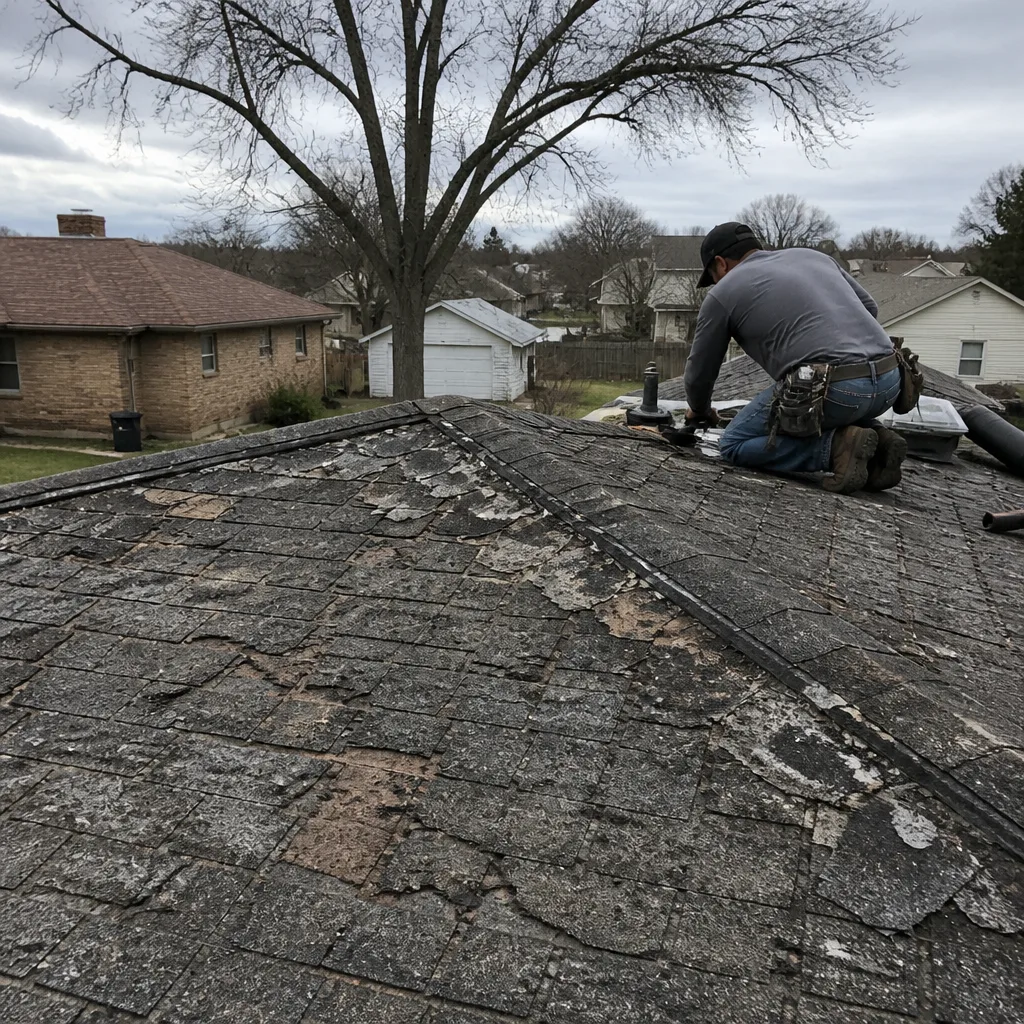 Before
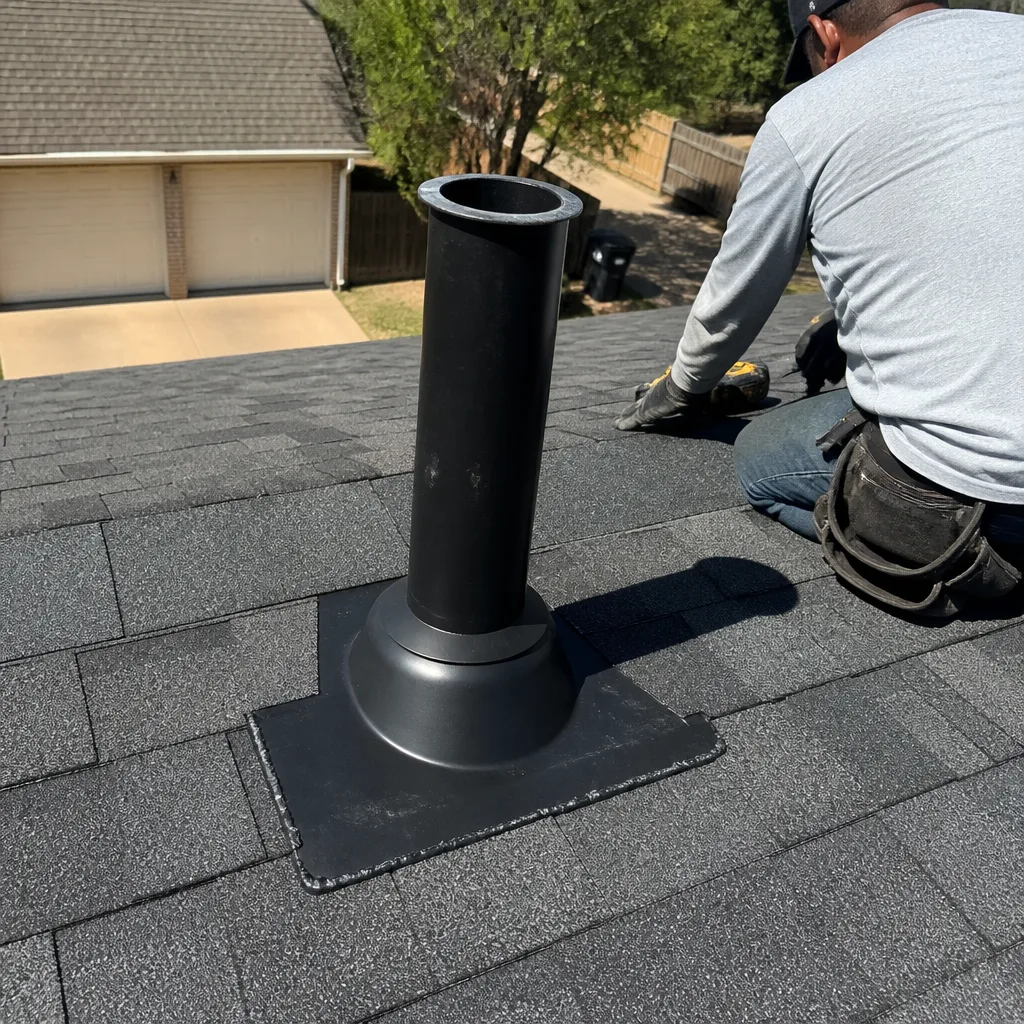 After
After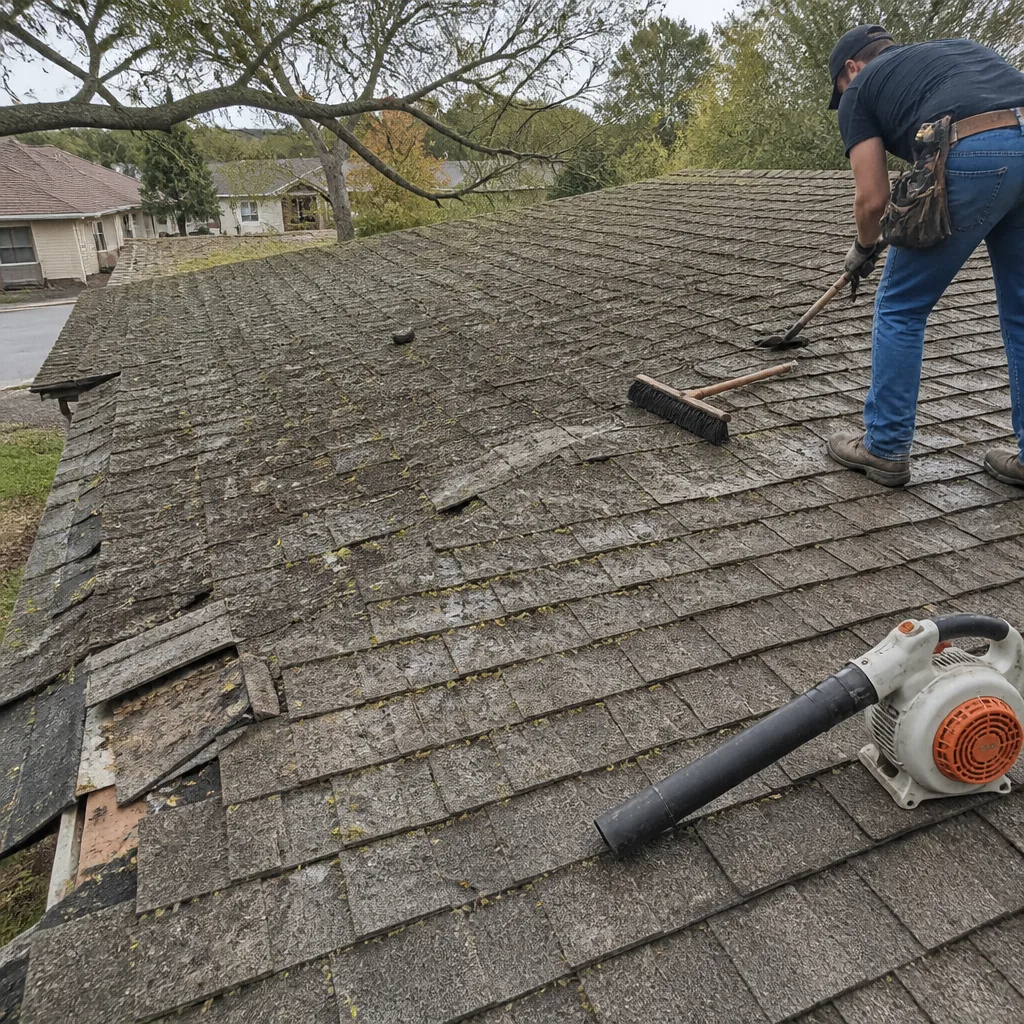 Before
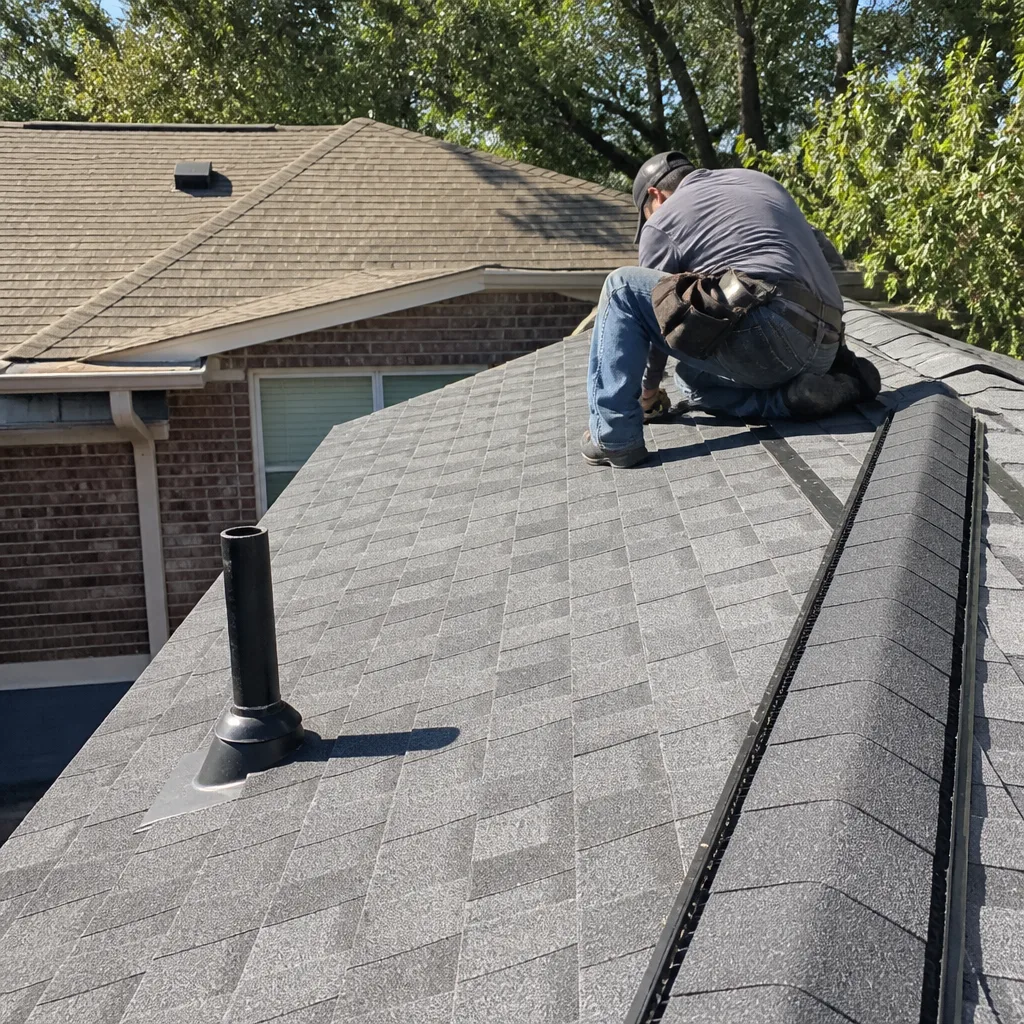 After
After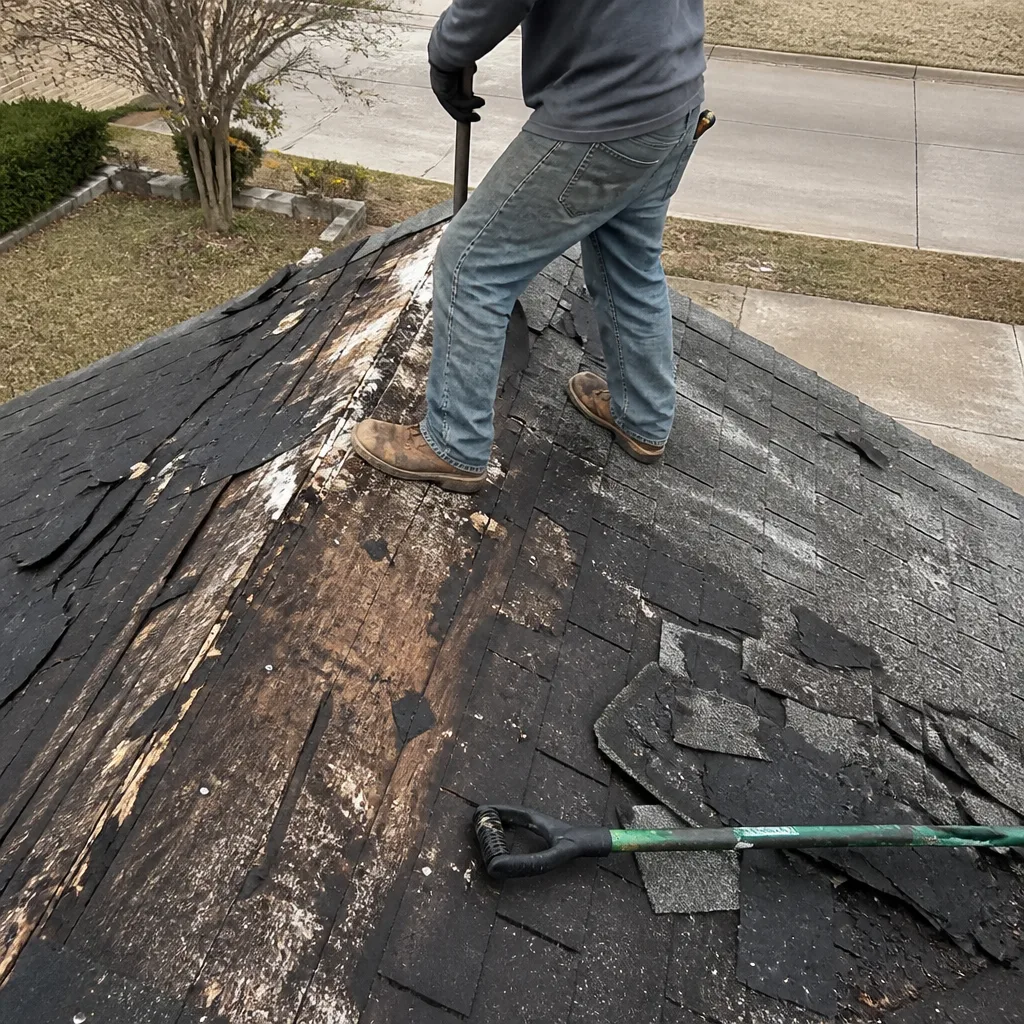 Before
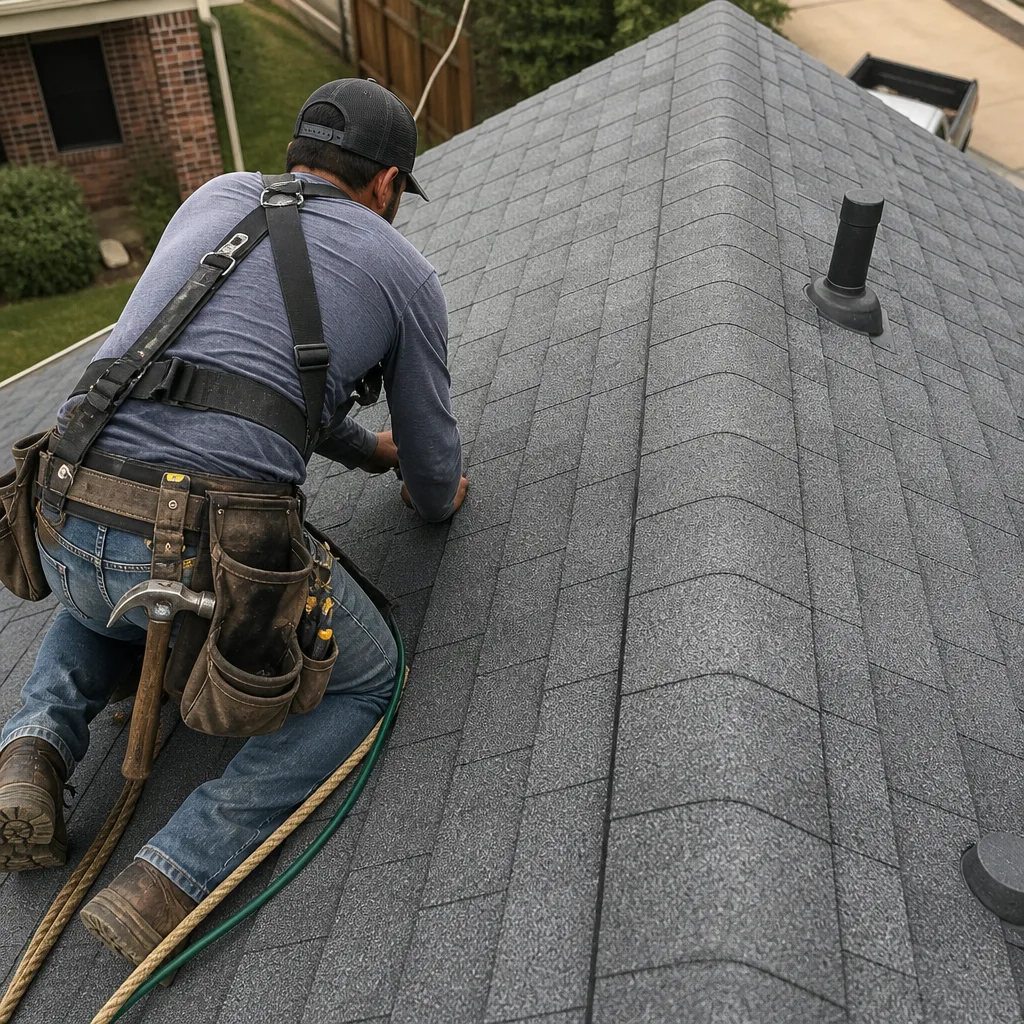 After
After