
Last updated October 17, 2026
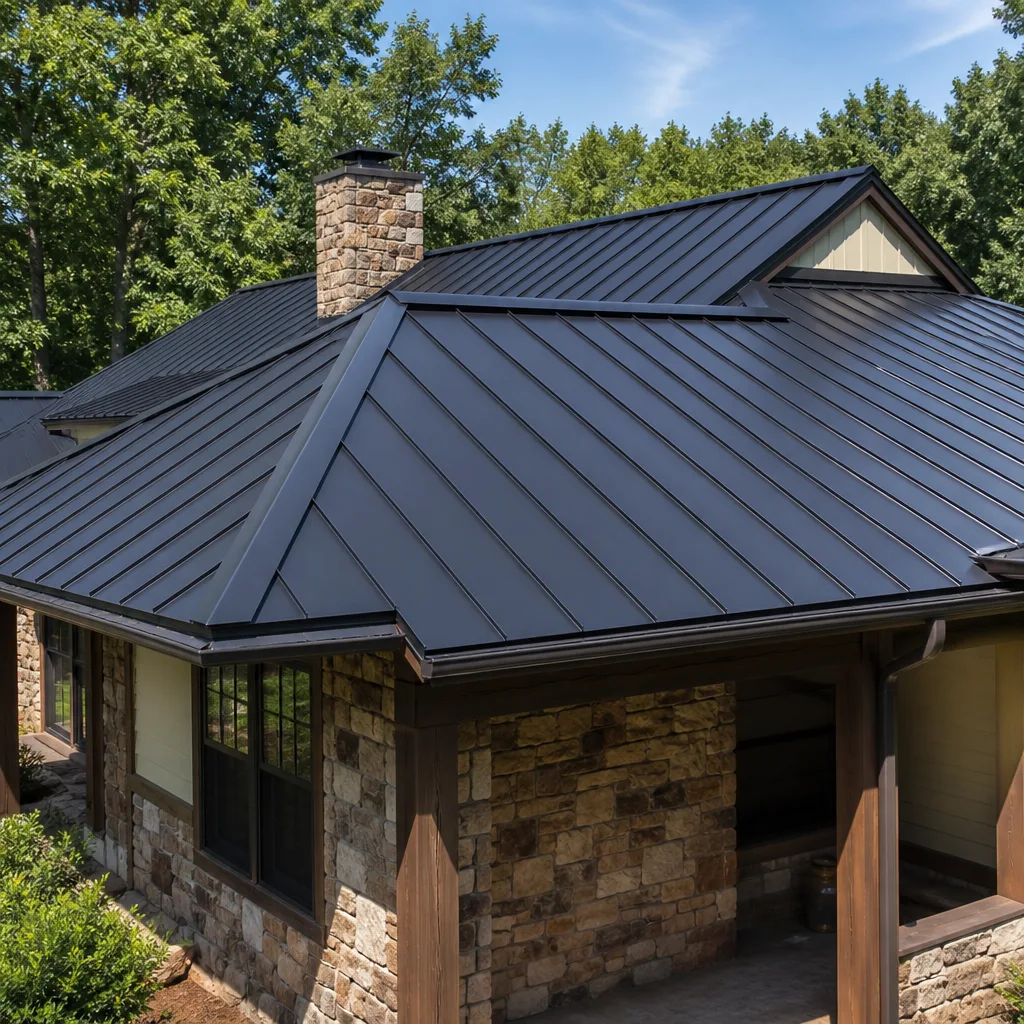 Metal roofing
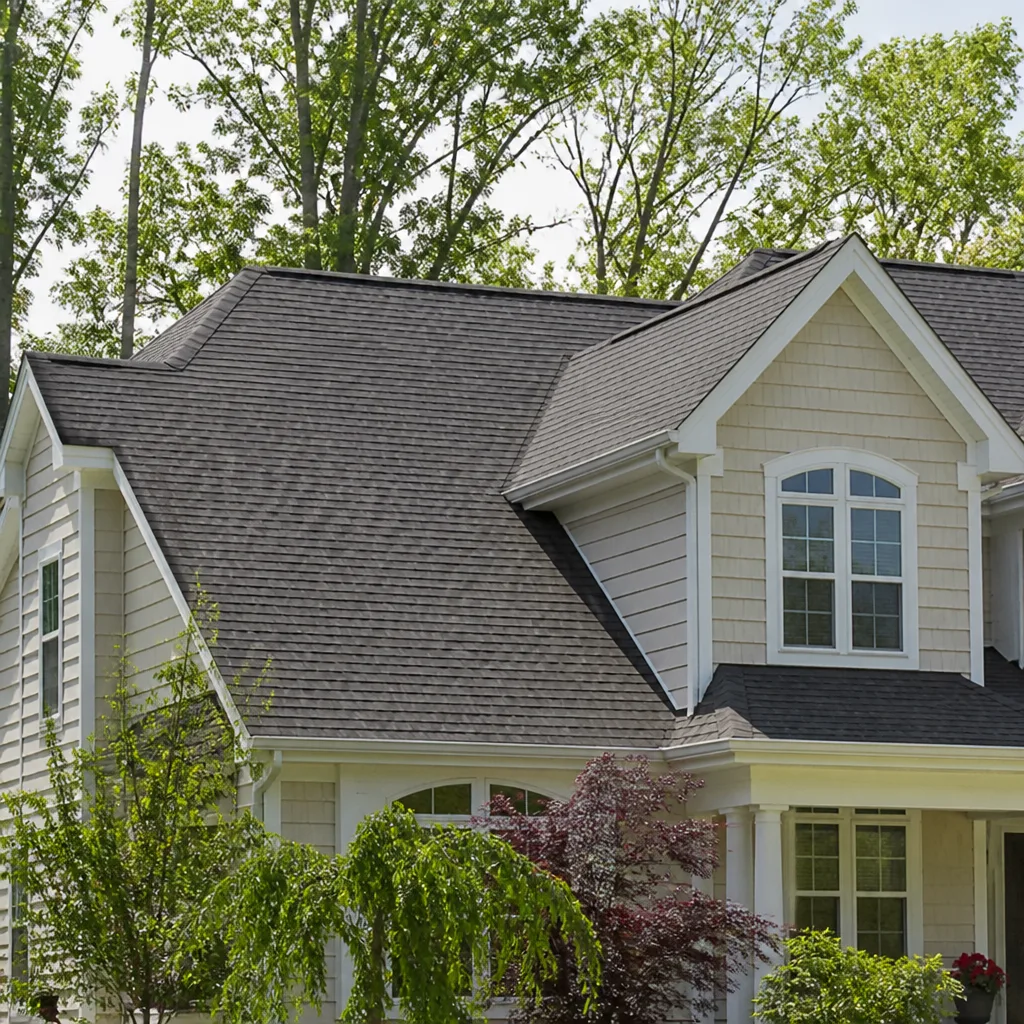 Architectural shingles
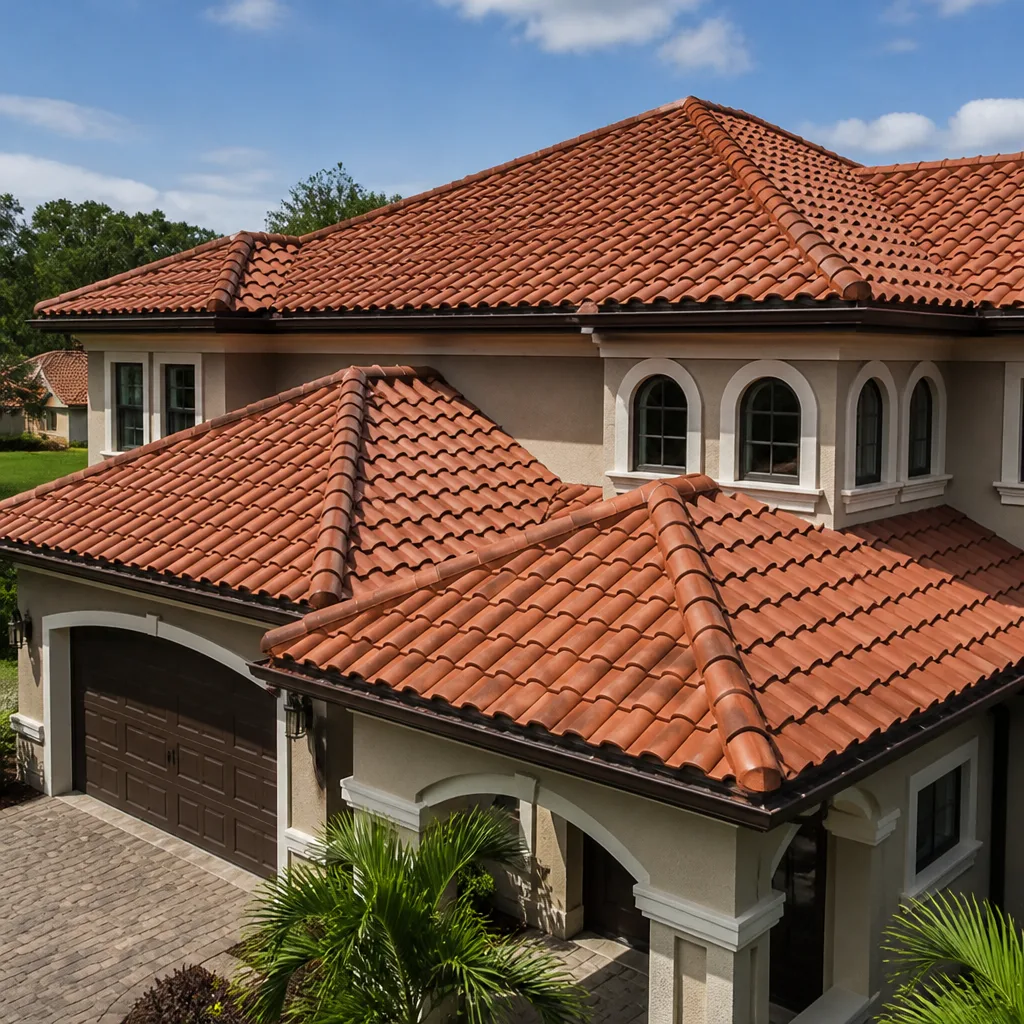 Tile roofing
 GAF
GAF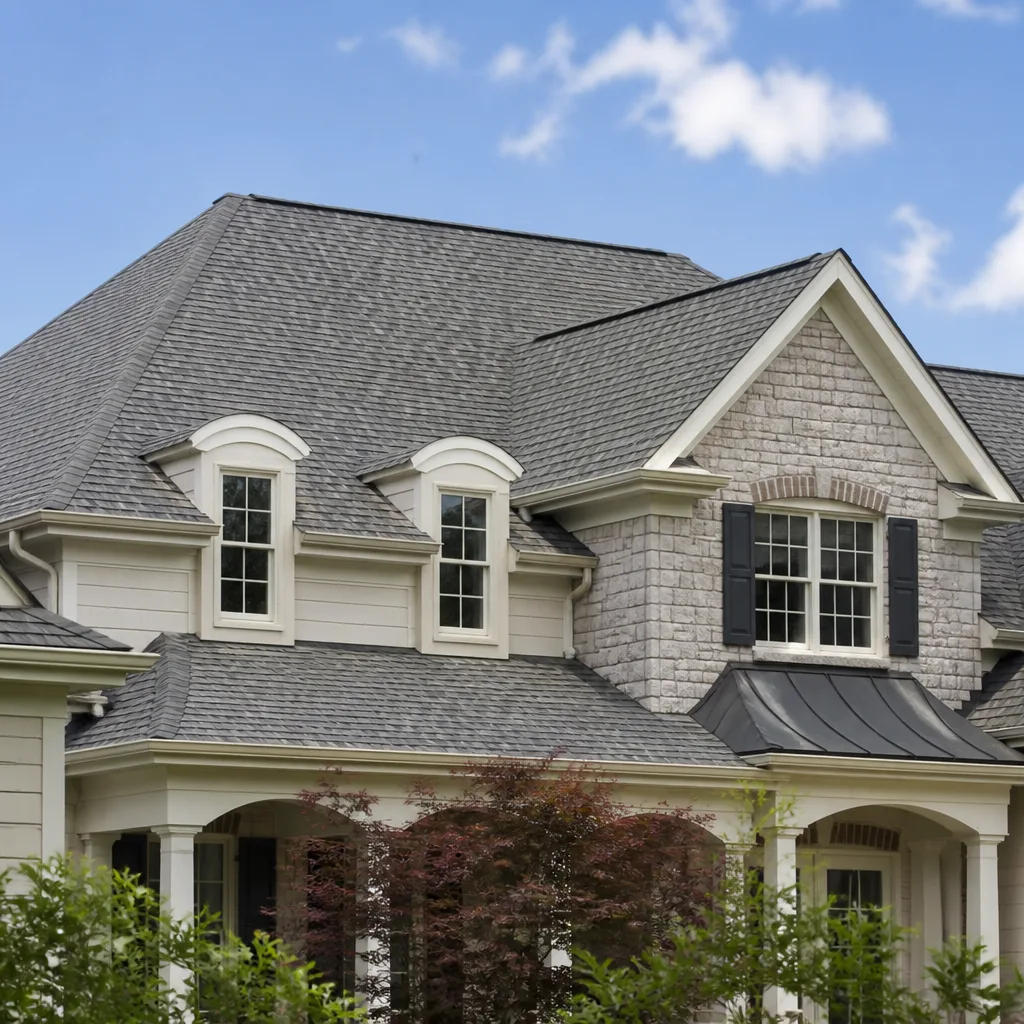 Owens Corning
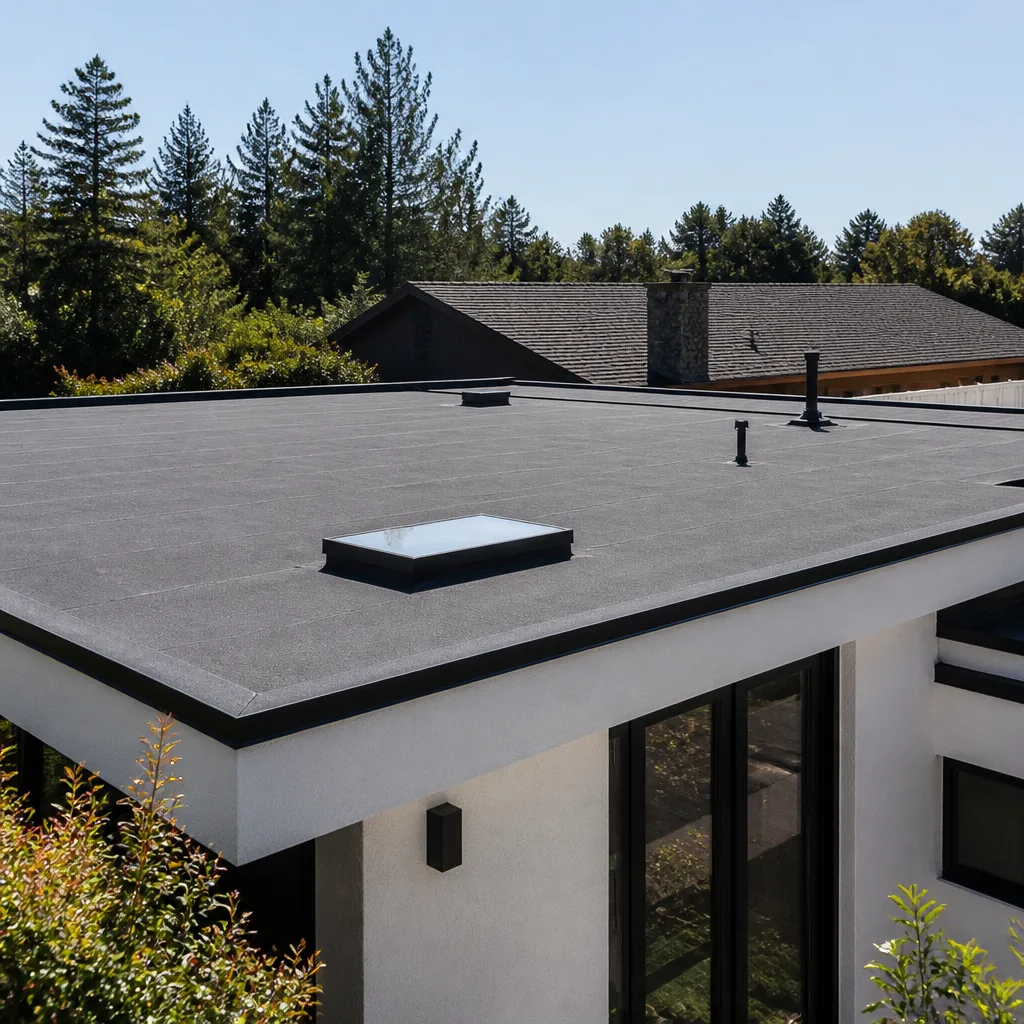 Flat & low-slope
Free roof inspection with deck photos before we talk money - GAF and Owens Corning certified installation
How to Hire a Roofing Contractor in Dallas: A Step-by-Step Guide
After a major hail event, Dallas sees an estimated 200+ out-of-state roofing crews set up temporary offices within two weeks. Most are gone before your first leak shows up. These storm chasers carry ladders and clipboards, take deposits from homeowners who are anxious and overwhelmed, then disappear across state lines when warranty season begins. This guide gives you a repeatable process for filtering them out, and you can find more guides & resources on our blog. You’ll learn the three verification steps that would have caught nearly every bad actor we’ve seen in Dallas, plus the exact contract language to demand and the questions that expose a crew without real roots here. Read it carefully, take an hour, and you’ll hire with the confidence of someone who already knows how the trade works.
Styles & brands we work with
Quick Answer
Hiring a roofing contractor in Dallas comes down to three verifications before you sign: confirm their Texas license status in the TDLR database, require a written itemized bid that includes drip edge and decking inspection, and insist on a written workmanship warranty that names specific years and specific failure types. Do all three, and the storm chaser problem largely disappears. Skip any one of them, and you’re gambling your deposit against a crew that may be gone by the time your first repair fails.
Table of Contents
- Step 1: Verify Their Texas License in the TDLR Database
- Step 2: Check Whether They Have a Real Dallas Presence
- Step 3: Read the Payment Schedule Like a Contract Attorney
- How to Compare Bids That Look Identical but Differ by $4,000
- What a Written Workmanship Warranty Should Actually Say
- Why the Dallas Climate Changes How You Should Hire
- Common Mistakes to Avoid
- When to Call a Professional
- Frequently Asked Questions
- The Bottom Line
Step 1: Verify Their Texas License in the TDLR Database
Texas doesn’t license roofing contractors the way some states license electricians or plumbers. There’s no state-issued “roofing license” that proves a contractor has passed a competency exam. What Texas does require is registration with the Texas Department of Licensing and Regulation (TDLR), and more specifically, that any contractor performing roof work on a residential property carries a valid Texas Roofing Contractor Registration. This is the first filter.
Here’s the three-minute check. Go to the TDLR website, open the license lookup tool, and enter the company’s name. You’re looking for a current registration with no lapsed status, no outstanding enforcement actions, and a business address that matches what the contractor told you. If the name doesn’t come up, that’s not a gray area. In Dallas, a roofing contractor without a TDLR registration is operating illegally on residential work. They may tell you they’re “working under someone else’s registration” or that “Texas doesn’t require one for small jobs.” Both statements are red flags. A legitimate Dallas roofing company knows its registration number by heart and will provide it before you ask.
What to do when a contractor claims they don’t need one: end the conversation. Politely, but firmly. You don’t owe anyone a second chance on a legal requirement. The TDLR registration exists because Texas had a documented problem with unqualified contractors taking money and disappearing. When you skip the check, you’re volunteering to become the next data point.
- Check the company name exactly as written. Some crews operate under a slightly different legal name than the one on their truck. Ask for the registered business entity name and run that. A name mismatch is worth a phone call to TDLR.
- Look for enforcement actions. The TDLR database shows complaints, suspensions, and revocations. One old complaint from a difficult customer isn’t disqualifying by itself. A pattern of enforcement actions is. Patterns show up in the database.
- Confirm the registration covers residential work. Some registrations are for commercial only. Residential has its own requirements, and a commercial-only registration doesn’t authorize work on your house.
After the TDLR check, run the name through the Better Business Bureau and the Dallas County court records. You’re looking for judgments, liens, and a pattern of small-claims cases. A roofing contractor with no court history in Dallas is rare. One with a history of losing cases is a warning worth heeding.
Step 2: Check Whether They Have a Real Dallas Presence
A Dallas address on Google Maps is not proof of a Dallas company. Storm chasers know this. They rent a mail drop in Richardson, change their Google Business Profile to read “Dallas, TX,” and buy a local phone number that forwards to a call center in Florida. Within a week, they look as local as a company that’s been here for twenty years. Your job is to find out whether anyone actually answers when a Dallas homeowner calls with a problem.
Two questions reveal the truth. Ask them in this order, and listen to the pauses.
- “Where is your Dallas crew based when they’re not on a job site?” A real Dallas roofing company can name a neighborhood: East Dallas, Oak Cliff, Lake Highlands, Farmers Branch, Mesquite. They’ll tell you where their trucks park, where their material yard sits, where their crews clock in. A storm chaser gives you a vague answer about “serving the Metroplex” or “multiple locations across Texas.” Vagueness here means no fixed address, and no fixed address means no one to show up when the repair fails.
- “Who is the project manager assigned to my roof, and what’s their direct Dallas phone number?” This question works because it asks for a specific person with a local number. A legitimate Dallas roofing company assigns a named project manager to every job and gives you their cell number before you sign. A chaser hesitates, then gives you the main office line that rolls to an answering service. If you can’t name the person responsible for your roof, you don’t have a contractor. You have a sales funnel.
We’ve seen this play out in Dallas neighborhoods from Preston Hollow to Casa View. A homeowner gets a knock, a handshake, a price that seems reasonable, and a deposit receipt with a Dallas address that turns out to be a UPS store. When the leak appears six months later, the number rings to a disconnected line. The Roofing Company in Dallas with a real service presence answers the phone because they have technicians who live here, not sales reps who fly in for the storm season.
Beyond the two questions, look at their fleet. Do their trucks have Dallas-area commercial plates? Does their equipment look like it’s used daily or rented last week? These are tells, and they’re visible from your driveway. You don’t need to be an investigator. You need to pay attention.
Step 3: Read the Payment Schedule Like a Contract Attorney
The payment schedule clause in a Dallas roofing contract is the single most reliable predictor of how the job will go. Not the total price, not the shingle brand, not the salesman’s smile. The payment schedule. Here’s what to look for, and more importantly, what to run from.
A legitimate Dallas roofing contractor understands that materials are ordered after the contract is signed and delivered before work begins. They fund the gap with their own working capital or supplier credit. That means they don’t need a large deposit from you to “secure the material.” If a contractor asks for more than 10% upfront, before any material shows up on your property, you’re financing their cash flow. And if their cash flow needs your deposit to buy shingles, what happens when the shingle order comes in wrong and they need another $2,000? You pay it, or the job stalls. Storm chasers love this scenario.
Here’s the language to look for in a Dallas roofing contract:
- Good: “10% deposit due at contract signing. 50% due upon delivery of materials to the job site. 40% due upon completion and final inspection.” This ties your money to visible milestones: signed contract, materials on the ground, finished roof. Each payment buys something you can see.
- Bad: “50% deposit required to schedule.” “Payment in full before work begins.” “Material deposit required at signing, non-refundable.” All three phrases signal a contractor who takes your money before doing anything. In Dallas, we’ve seen homeowners lose $8,000 to “material deposits” that never turned into shingles.
- Worse: “Payment draws based on contractor’s schedule.” This gives the contractor permission to bill you on dates, not milestones. A crew that bills on dates gets paid regardless of whether the roof is actually progressing. Avoid this clause entirely.
One more thing: the contract should state that no payment is due until the work passes a final walkthrough with you, the homeowner. If the contractor wants the final check before you’ve inspected the drip edge and the ridge cap, that’s a red flag wearing a hard hat. At Tilehurst Roofing Dallas home, the written price is in your hands before any work starts, and every payment milestone is tied to a visible deliverable. That’s not a favor. It’s how a business with nothing to hide writes a contract.
How to Compare Bids That Look Identical but Differ by $4,000
Two Dallas roofing bids can list the same shingle color, the same square footage, and the same vague “complete roof replacement” scope, and still be $4,000 apart, as explained in our Roofing Cost Breakdown: The Dallas Homeowner’s Reference for 2026. The difference isn’t markup. It’s what’s included in the fine print, and most of it is code-required work that the cheaper bid quietly omits.
Dallas sits in a climate where the freeze-thaw cycle works against roofing. Water gets under shingles during a cold snap, freezes, expands, and pushes the shingle loose. Then spring rain finds the gap. The materials that protect against this are not optional upgrades. They’re the difference between a roof that lasts fifteen years and one that fails in five. Here’s what to look for in every Dallas roofing bid:
- Drip edge. This is the thin metal flashing that runs along the roof’s eaves and rakes, directing water away from the fascia board and into the gutter. It’s a code requirement in Dallas under the International Residential Code, which the city has adopted. A bid that omits drip edge is telling you the contractor plans to cut a corner that city inspectors would flag. That $4,000 gap often hides here.
- Decking inspection and replacement allowance. The decking is the plywood or OSB layer under your shingles. If it’s rotted or water-damaged, new shingles can’t fix it. A thorough bid includes a per-sheet price for decking replacement, so if the crew finds rot after tear-off, you know what it costs. A cheaper bid either omits this line or says “decking as needed” without a price. That’s how a $12,000 roof becomes an $18,000 roof, with the change order delivered after your old roof is already in the dumpster.
- Underlayment. The synthetic or felt layer between the decking and the shingles. Dallas building code requires it. A bid that says “shingles only” is not a bid. It’s an invitation to a leak.
- Flashing at penetrations. Every pipe boot, chimney, skylight, and vent needs flashing, and it needs to be replaced or re-sealed during a reroof. Cheaper bids “reuse existing flashing” even when it’s corroded. That’s the leak waiting to happen.
- Ridge cap shingles. The cap shingles on the roof’s peak are cut from a different material than the field shingles. They’re thicker, more flexible, and made for the roof’s highest-wear line. If the bid says “3-tab field shingles used as ridge cap,” walk away.
At the Roof Repair in Dallas level, the same principle applies in miniature: a $600 repair that includes new flashing and a written guarantee is cheaper in the long run than a $300 repair that just caulks the leak and hopes. Compare line items, not total prices. A Dallas roofer who itemizes is a roofer who expects you to check their work.
What a Written Workmanship Warranty Should Actually Say
Every roofing manufacturer offers a material warranty. GAF, CertainTeed, Owens Corning, IKO, Atlas, Tamko, and Boral all stand behind their shingles to some degree, usually 20 to 50 years depending on the product line. That’s the manufacturer saying the shingle won’t fail from a manufacturing defect. It says nothing about the installer’s work.
What protects you from a bad installation is the workmanship warranty, and it comes from the contractor, not the manufacturer. Here’s what a written workmanship warranty should say, in plain language, with no ambiguity:
- Specific years. “5-year workmanship warranty” is a number. “Limited workmanship guarantee” is a shrug. The number tells you how long the contractor believes in their own work. In Dallas, a workmanship warranty shorter than two years is a contractor telling you they don’t trust their own crews. A five-year minimum is a reasonable floor.
- Specific failure types covered. The warranty should list what counts as a covered failure: leaks at flashing points, shingle blow-offs from wind, nail pops, ridge cap separation. If it just says “workmanship defects,” the contractor gets to define what a defect is, and that definition will be narrow when you call with a leak.
- Who to call if the contractor is no longer in business. This is the clause Dallas homeowners rarely ask about, and it’s the one that matters most. If your roofer is a one-man operation and the man moves to Oklahoma, your five-year warranty is a piece of paper. A company with a documented succession plan, a parent organization, or a guarantee that another named entity will honor the warranty is worth paying more for. This is the structural advantage of a business with roots, not a truck and a phone number that changes every eighteen months.
- Response time. The warranty should say how quickly the contractor will respond to a claim: “within 72 hours of notification” is specific. “As soon as possible” is not. Without a response-time commitment, the warranty is untethered from reality.
When you’re comparing two Dallas roofing companies, lay their warranty language side by side. The better warranty is usually the better contractor. A company that puts “written guarantee on every repair” in the contract, before the crew leaves, is a company that expects to be held accountable. The 365-Day Done Right Promise works this way: if it’s not done right, we make it right, for a full year after the job. No phone tag. No “that’s normal settling.” Just a documented obligation to return.
Why the Dallas Climate Changes How You Should Hire
Dallas roofing lives in a specific weather pattern: hail in March and April, extreme heat in July and August, and the occasional ice storm in February that sends thaw water into every compromised seam. A contractor who learned roofing in Phoenix or Seattle doesn’t know what a Dallas hail season does to a roof, because the hail here is different. It’s larger, it’s more frequent, and it’s often followed by a heat wave that bakes damaged shingles until they crack.
This climate reality changes how you should hire in three ways:
- Ask about hail-specific experience. A Dallas roofer should be able to walk your roof after a hail event and show you the difference between cosmetic granule loss and structural bruising that will fail in two years. That’s a skill you earn from Dallas springs, not from a certification class. Ask how many Dallas hail seasons they’ve worked. Listen for specifics about neighborhoods: “We did forty roofs in Lakewood after the 2019 storm” is a real answer. “We’ve handled lots of hail” is not.
- Insist on materials rated for Dallas heat. Shingle manufacturers publish temperature ratings. The products that hold up in Dallas summers are not the same as the ones that work in Minneapolis. A contractor who says “all shingles are basically the same” doesn’t know Dallas. Options from Atlas and Tamko include lines specifically engineered for high-UV, high-heat climates. Your roofer should be able to explain why one manufacturer’s product line fits your roof better than another’s, not just hand you a brochure.
- Plan for the inspection timing. Dallas building permits require inspections after roof work, and the inspection backlog after a storm can stretch for weeks. A contractor who promises “same-day inspection” is selling a fantasy. The realistic timeline involves waiting for the city inspector, and a good contractor builds that into their schedule instead of pretending it won’t happen. When you call a Roof Replacement in Dallas company, ask about their inspection process, not just their start date.
Common Mistakes to Avoid
- Signing with the first contractor who knocks. After a Dallas hail storm, door-knockers are the front line of the storm chaser economy. Legitimate Dallas roofing companies have enough inbound work that they don’t need to canvass your block. Treat unsolicited knocks with the same skepticism you’d apply to any unsolicited offer.
- Assuming a Google review means anything. Reviews can be bought, traded, and generated by review farms. A pattern of detailed, specific reviews from Dallas-area customers beats a flood of five stars with no narrative. Read the one-star reviews first. They tell you what failure looks like for this contractor.
- Choosing by shingle brand alone. The shingle is a commodity. The installation is the product. A perfect GAF shingle installed by an indifferent crew leaks faster than a mid-tier IKO shingle installed by a meticulous Dallas roofer. Spend your evaluation time on the installer, not the brochure.
- Accepting a bid without a line item for decking replacement. We covered this above, but it’s the most expensive omission in Dallas roofing and it’s worth repeating. If the bid doesn’t have a per-sheet price for decking, the contractor is planning to hit you with a change order.
- Skipping the TDLR check because the contractor “seems professional.” Charm is not a credential. Con artists are the most charming people in the trade, which is why they stay in business. The TDLR lookup takes three minutes and costs nothing. It’s the cheapest insurance you’ll ever buy.
- Not asking for the warranty before work starts. A warranty described over the phone is a promise. A warranty in writing, with specific years and failure types, is a contract. Get it before you sign, not after the crew leaves. If the contractor can’t produce it before the job, they won’t produce it after.
- Paying with cash before materials arrive. Cash payments are hard to trace and harder to dispute. A legitimate Dallas roofing company accepts checks and cards, and ties payments to milestones. If a contractor insists on cash upfront, they’re planning a disappearing act.
When to Call a Professional
Some roof issues are obvious from the ground: missing shingles after a windstorm, a sagging ridge line, water stains on the ceiling that spread after every rain. Others are not. Granular loss, nail pops under the ridge, failed flashing at a chimney, and decking rot hidden beneath intact shingles all require someone on the roof, with a trained eye, who knows what a Dallas roof should look like after a Texas summer.
If you’ve noticed any of the following, it’s time to call a professional rather than wait for the next storm to find the leak for you: shingle granules in your gutters at every cleaning, daylight visible through the attic boards, damp insulation, or a ceiling stain that grows after each rain. These are not cosmetic issues. They’re early-warning signs of a roof that’s already failing from the inside out.
Tilehurst Roofing Dallas offers free estimates in Dallas, and our crews are background-checked and uniformed, so you know exactly who is on your roof. Call (903) 499-4275 to schedule yours. We’ll give you a written price before any work starts, in plain language, with every line item spelled out.
Frequently Asked Questions
Check the contractor’s registration with the Texas Department of Licensing and Regulation (TDLR) by searching the license lookup tool on the TDLR website using the company’s legal business name. The registration must be current, cover residential work, and show no outstanding enforcement actions. If the name doesn’t appear in the database, the contractor is not legally registered for residential roofing work in Texas, regardless of what they tell you.
A legitimate deposit for a Dallas roofing project should not exceed 10% of the total contract price, and it should be tied to a milestone like contract signing rather than a vague “scheduling fee.” Any contractor asking for 50% upfront or a “material deposit” before anything has been delivered is financing their operation with your money. Call (903) 499-4275 for a written price before any work starts, with no large upfront payment required.
A typical asphalt-shingle roof replacement in Dallas takes two to five days once work begins, depending on the roof’s size, pitch, and the amount of decking that needs replacement. The timeline stretches longer when city inspections are backlogged after a hail event, which happens regularly in the spring. A realistic contractor builds inspection waiting time into their schedule and communicates it before work starts.
Roof bids in Dallas vary by thousands of dollars because cheaper bids omit code-required work like drip edge, underlayment, and decking inspection, then charge for them as change orders after tear-off. A bid that itemizes drip edge, per-sheet decking prices, and ridge cap shingles will naturally read higher than a bid that skips them. The cheaper bid isn’t cheaper, it’s just hiding the cost until you’re committed. Call us for a line-item written quote so you can compare honestly.
Yes, the City of Dallas requires a building permit for a full roof replacement and the permit must be closed with a passed final inspection, as covered in our guide to Roofing Permits, Codes & Inspections in TX: What You Need to Know. Your contractor should pull the permit, schedule the inspection, and confirm it passed before requesting the final payment. A contractor who offers to “skip the permit to save you money” is proposing illegal work, and the liability lands on you as the homeowner, not them.
A roofing warranty in Dallas should cover workmanship for a specific number of years, usually five or more, and list the specific failure types included: leaks at flashing, shingle blow-offs, and nail pops. It should also name who to call if the original contractor goes out of business. Tilehurst Roofing puts a written guarantee on every repair before the crew leaves, and returns at no charge if a repair fails inside the guarantee period, backed by the 365-Day Done Right Promise.
The Bottom Line
Hiring a roofing contractor in Dallas is a process, not a moment. The storm chaser relies on you skipping the process: no TDLR check, no written payment schedule, no warranty review. The homeowner who takes an hour to run the verification steps, ask two questions about local presence, and read the contract’s payment clause will filter out the bad actors before they ever get a deposit. You’ll pay a fair price for a roof that’s installed to Dallas code, backed by a written warranty, and serviced by a company that answers when you call.
At Tilehurst Roofing Dallas, we’re committed to The Kingswell Way: say the price before the work, show up in the window we gave, leave the place cleaner than we found it, put the guarantee in writing, come back if it fails. Material options from manufacturers including IKO, Atlas, and Boral mean the product fits the home, not just what happens to be in the truck. Call (903) 499-4275 for a free estimate, and see what a written price looks like before any work starts.
Written by Greg Holloway, Owner at Tilehurst Roofing Dallas, serving Dallas since 2000.
See the difference
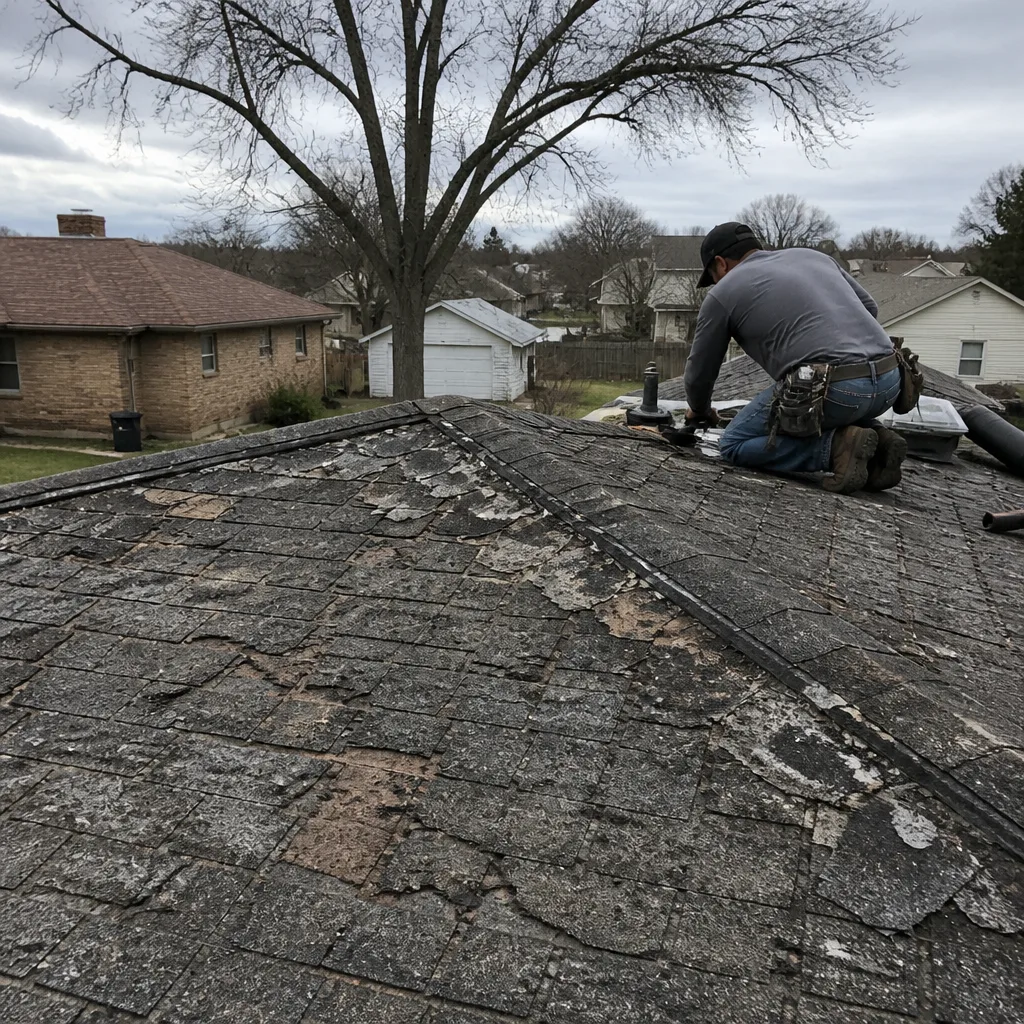 Before
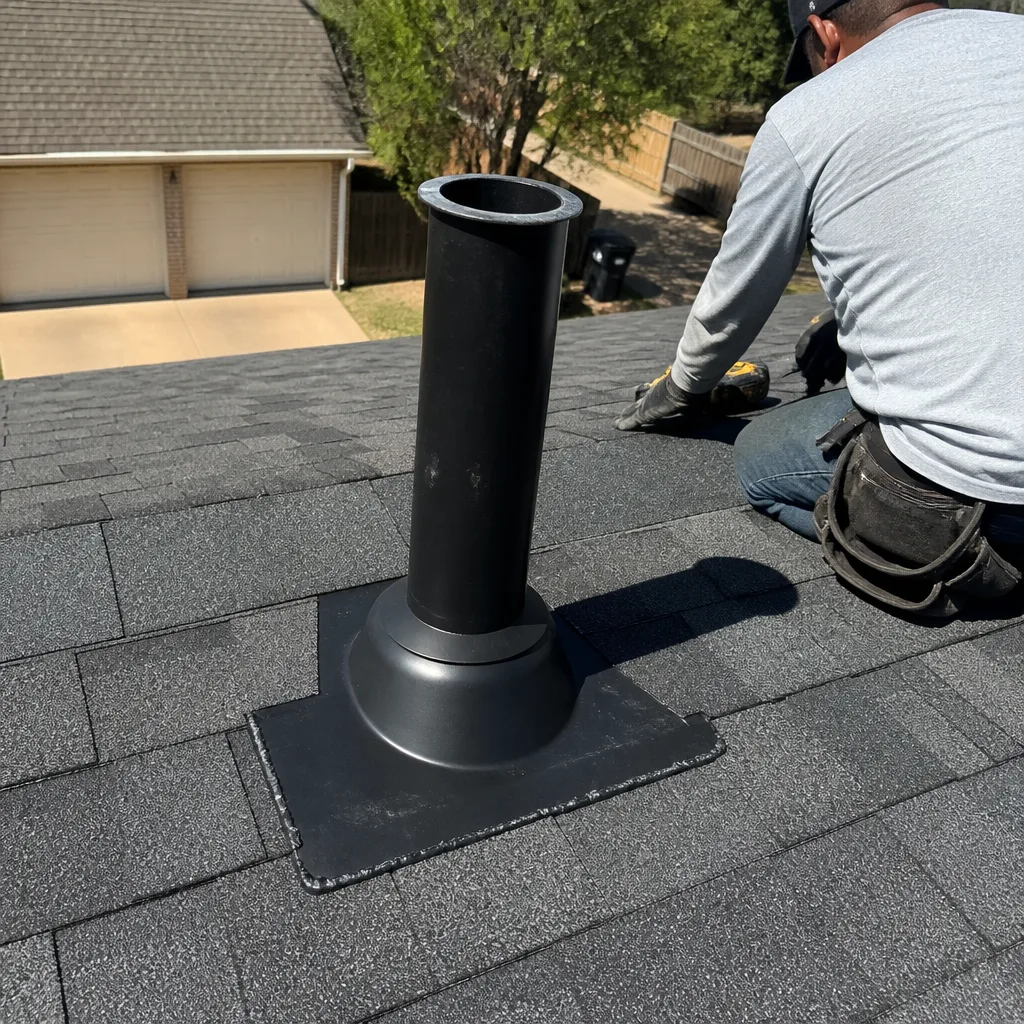 After
After Before
 After
After Before
 After
After