
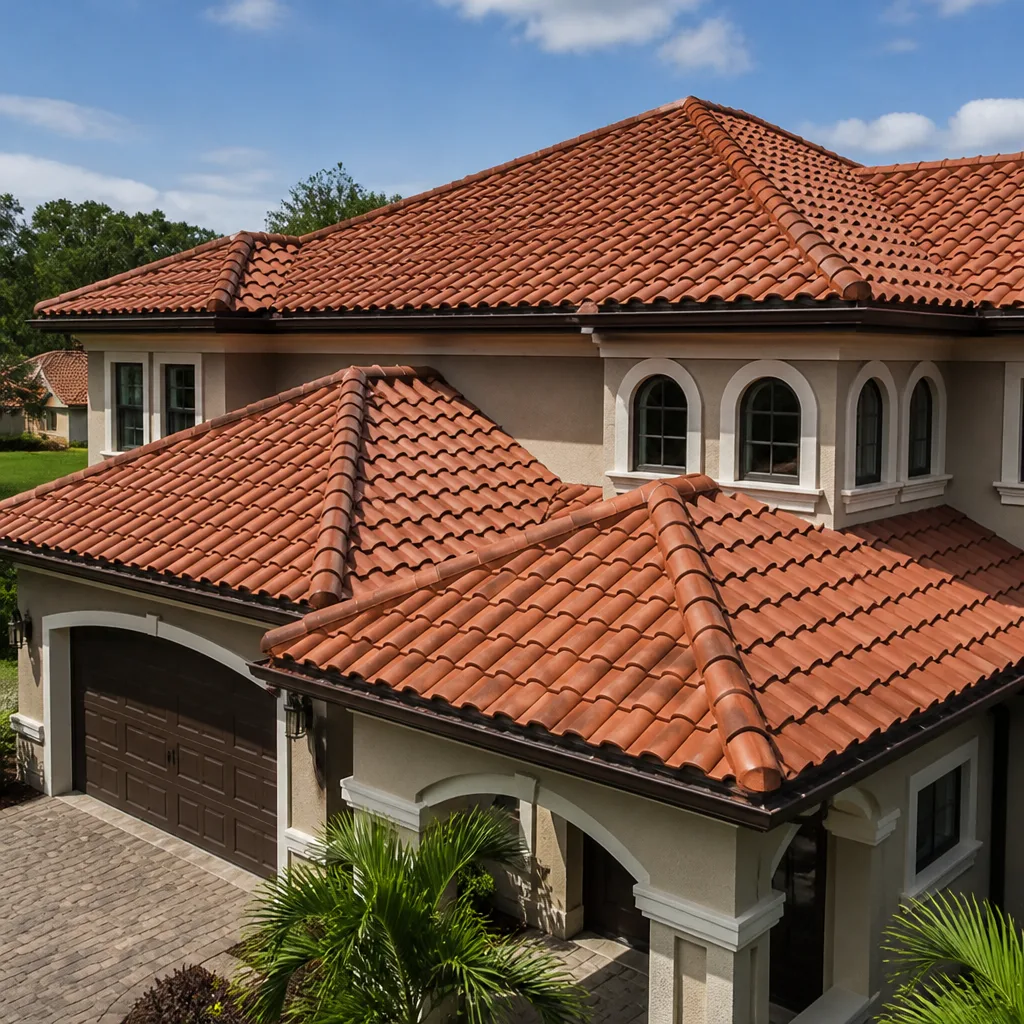
 Tile roofing
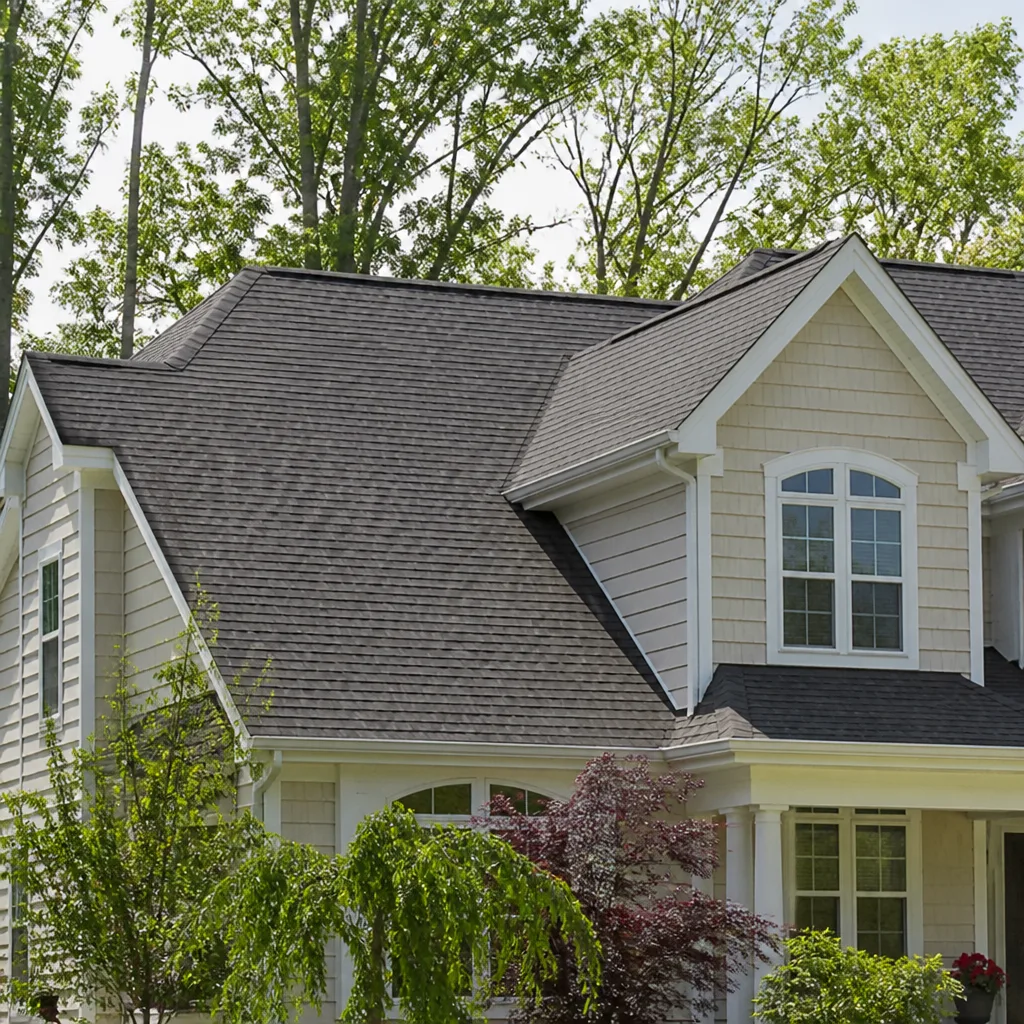 Architectural shingles
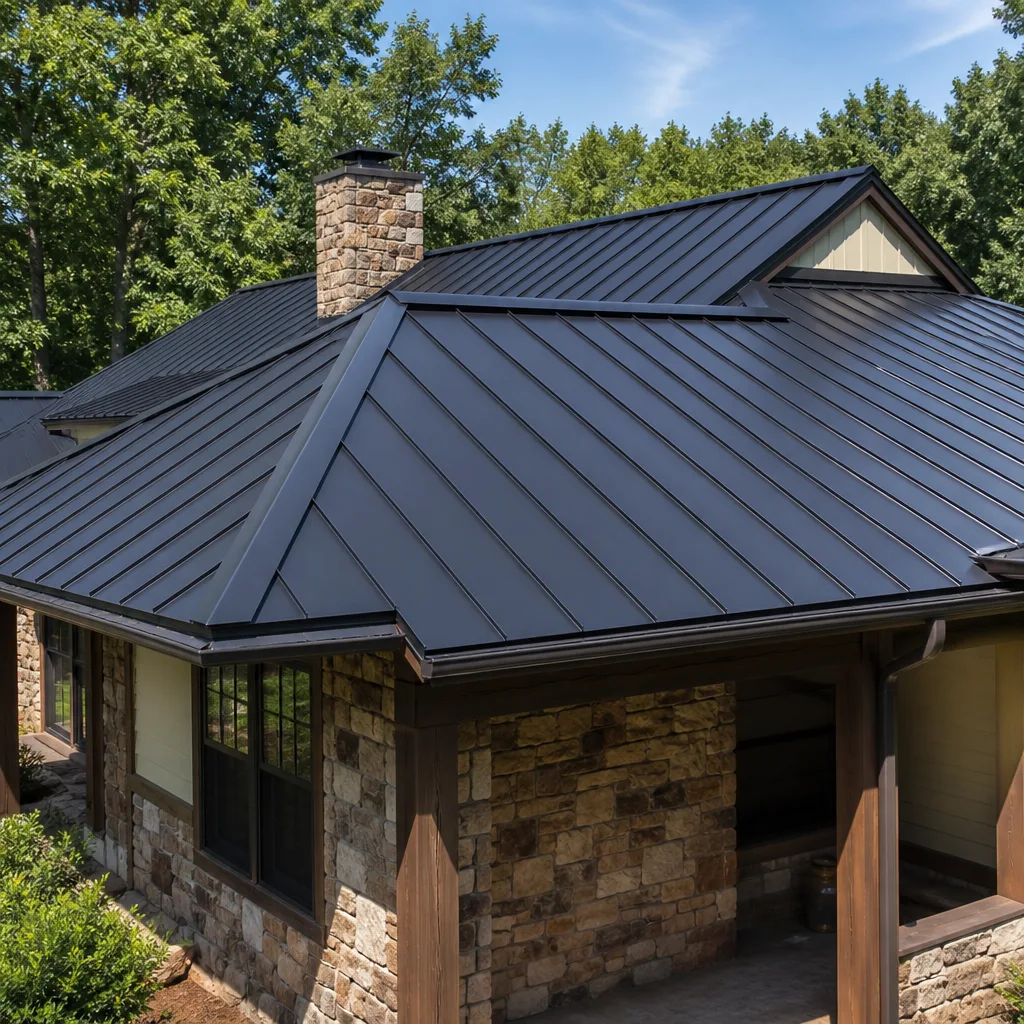 Metal roofing
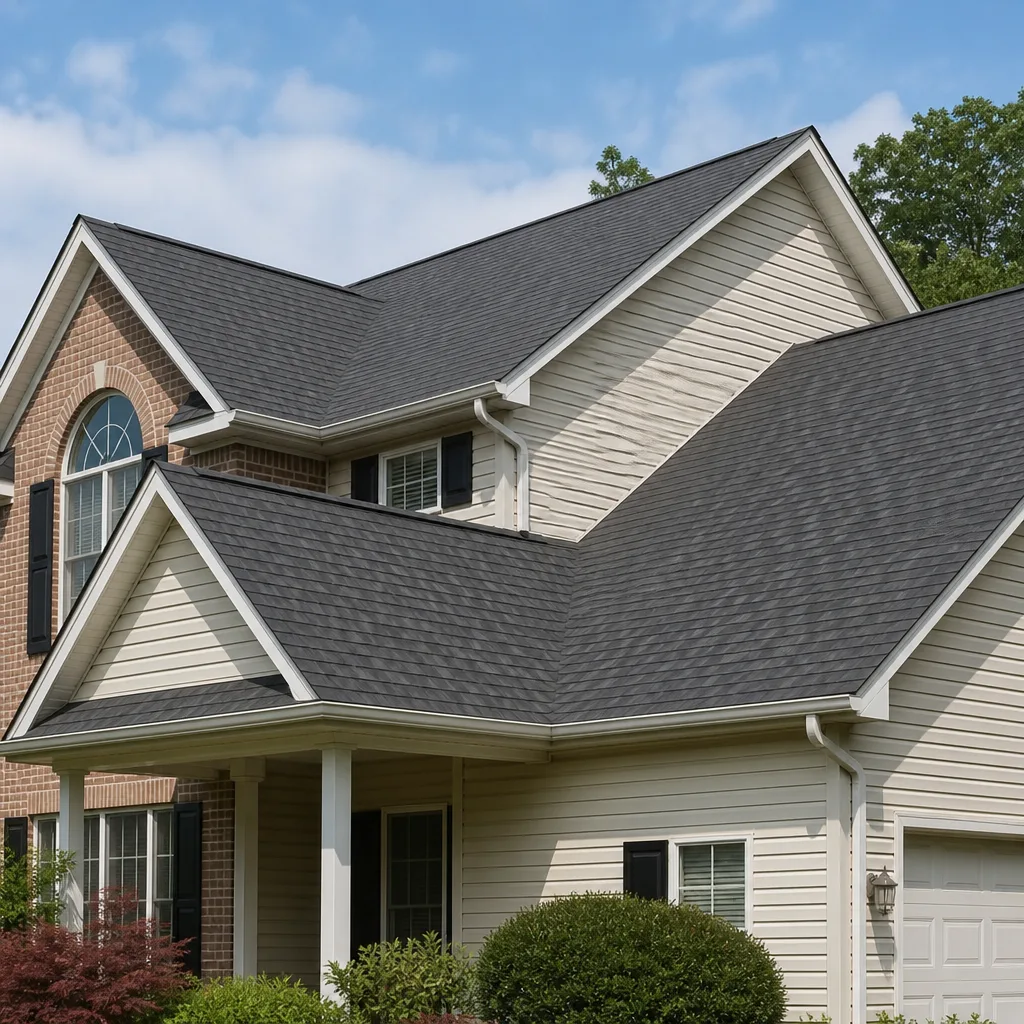 GAF
GAF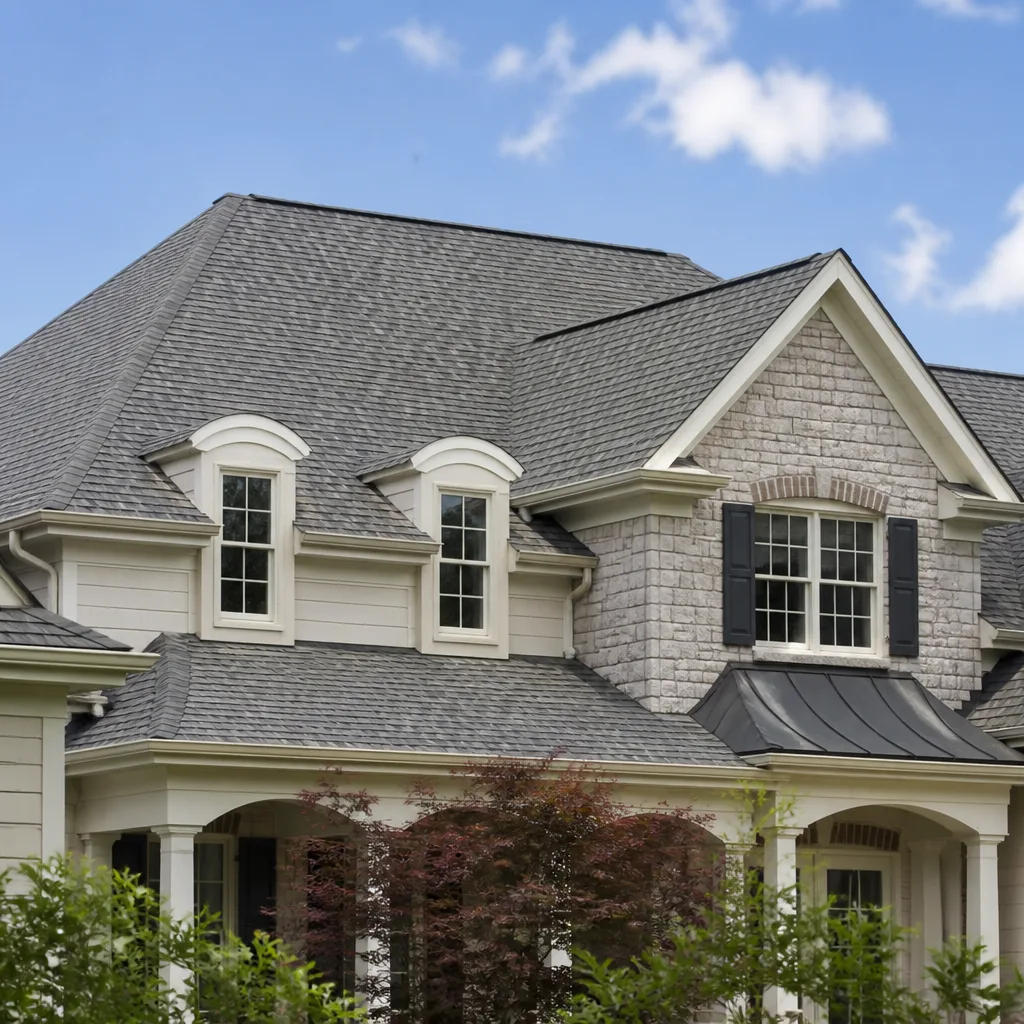 Owens Corning
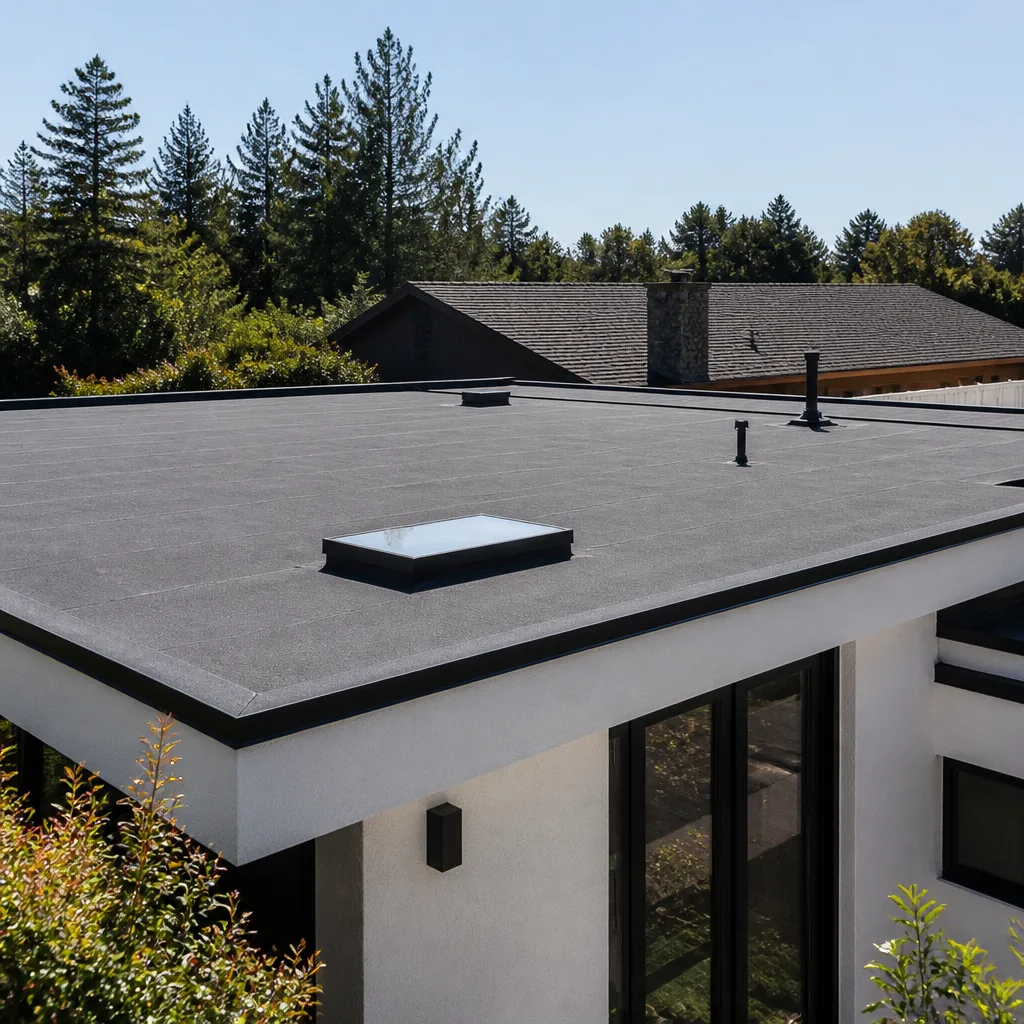 Flat & low-slope
Free roof inspection with deck photos before we talk money - GAF and Owens Corning certified installation
Styles & brands we work with
See the difference
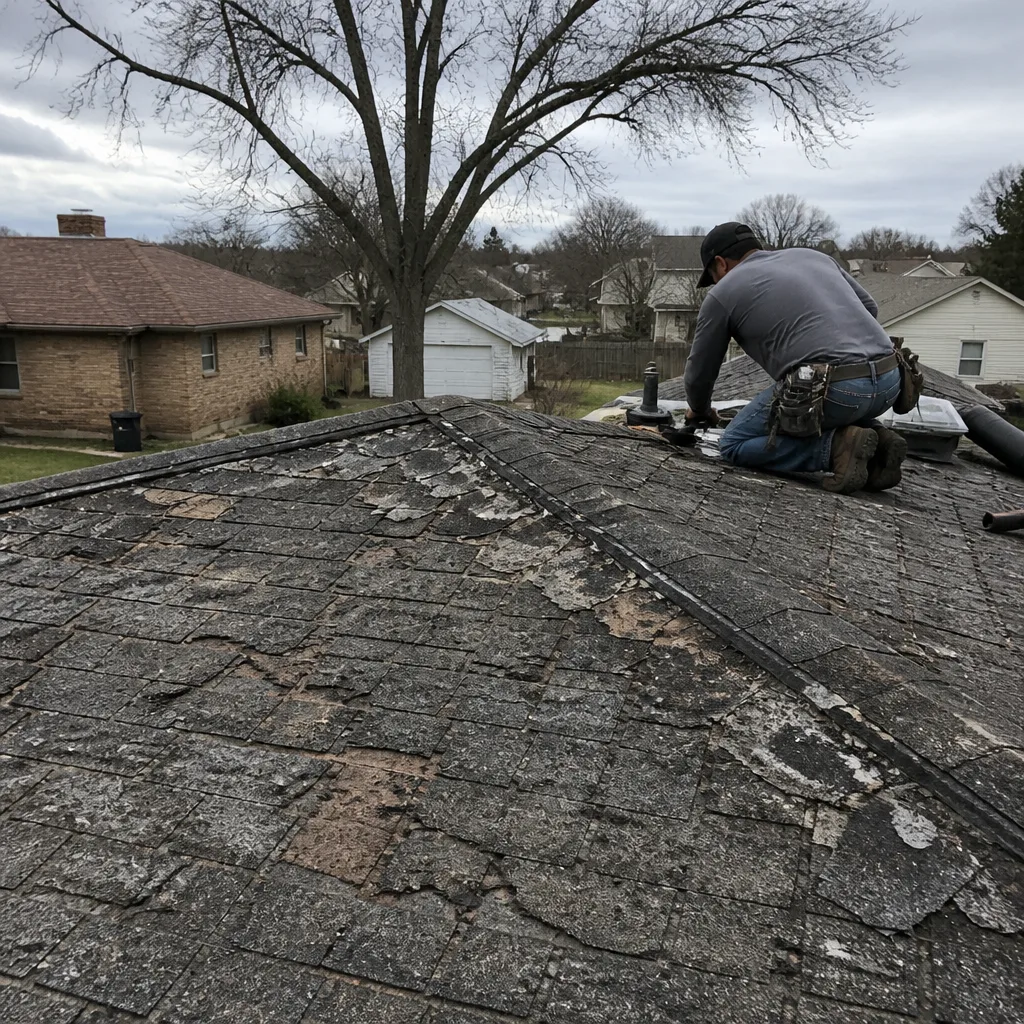 Before
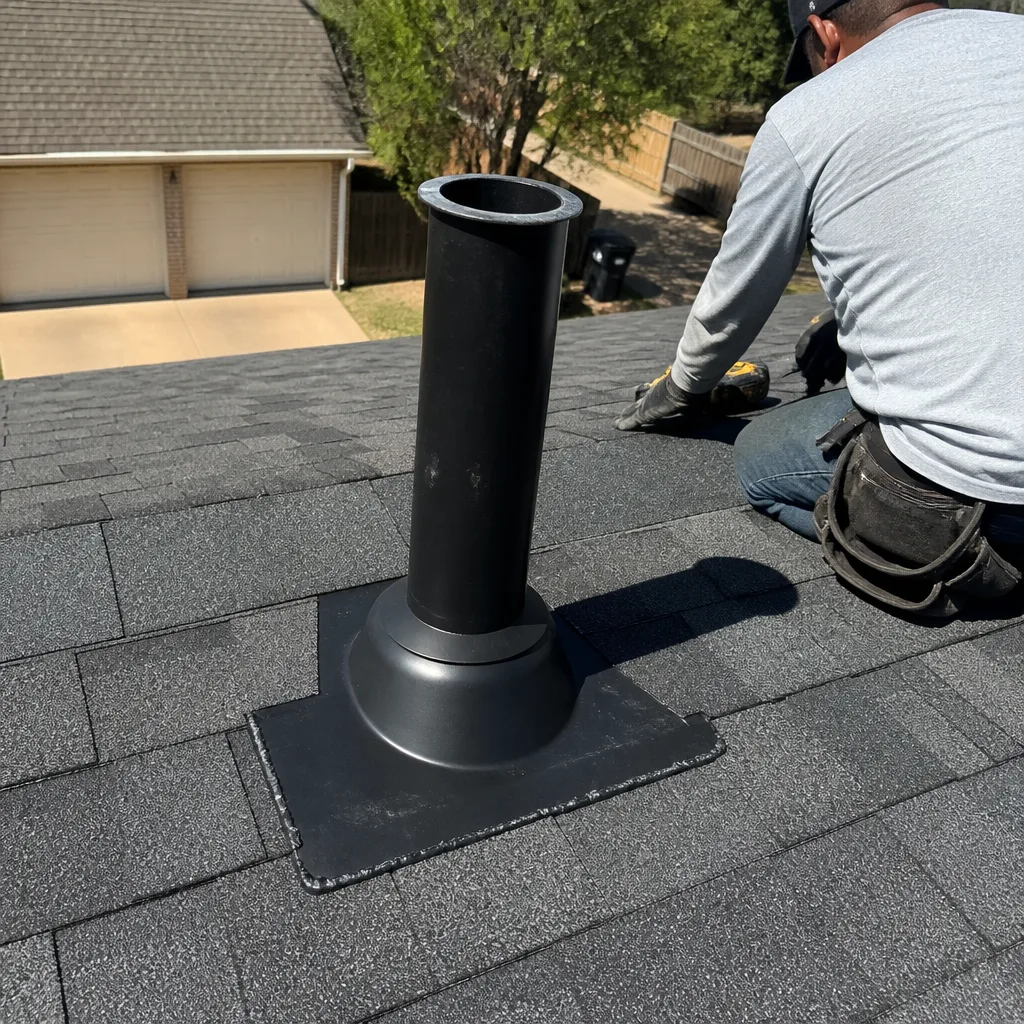 After
After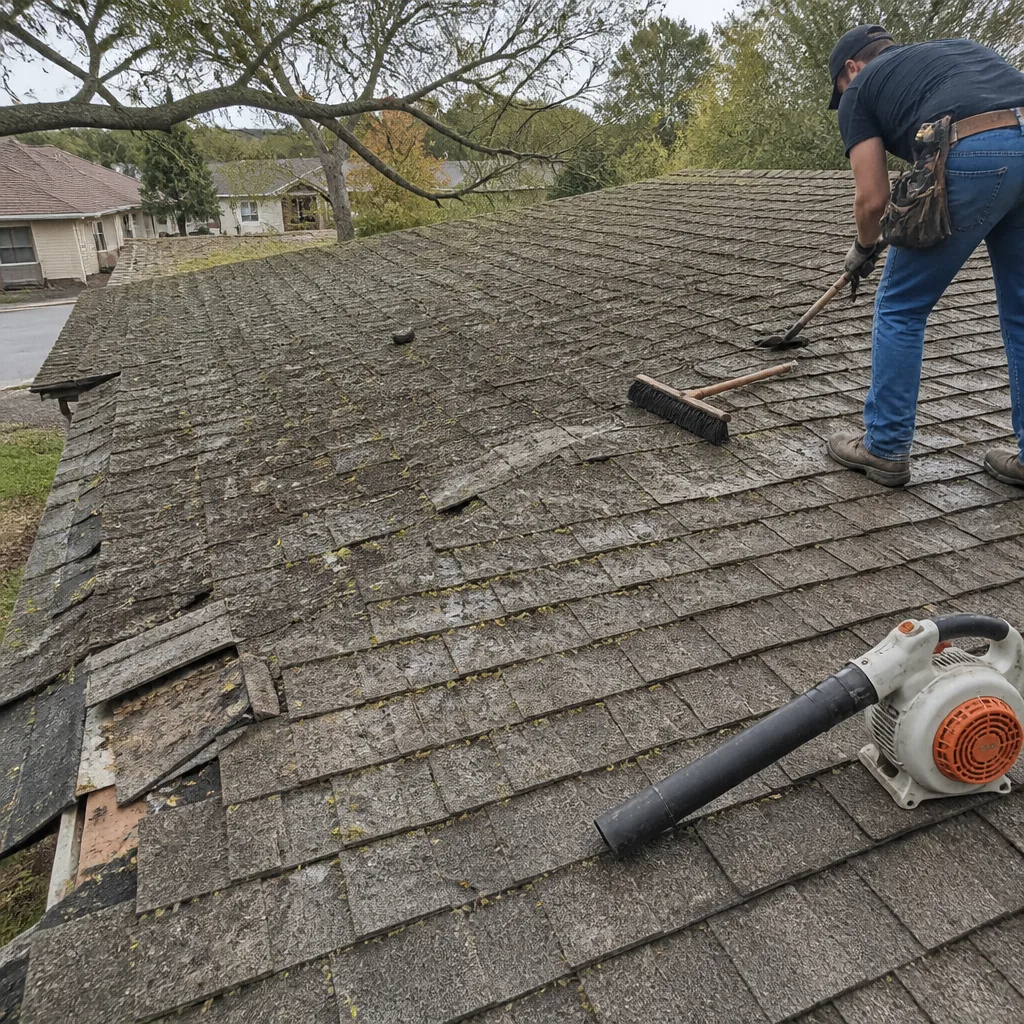 Before
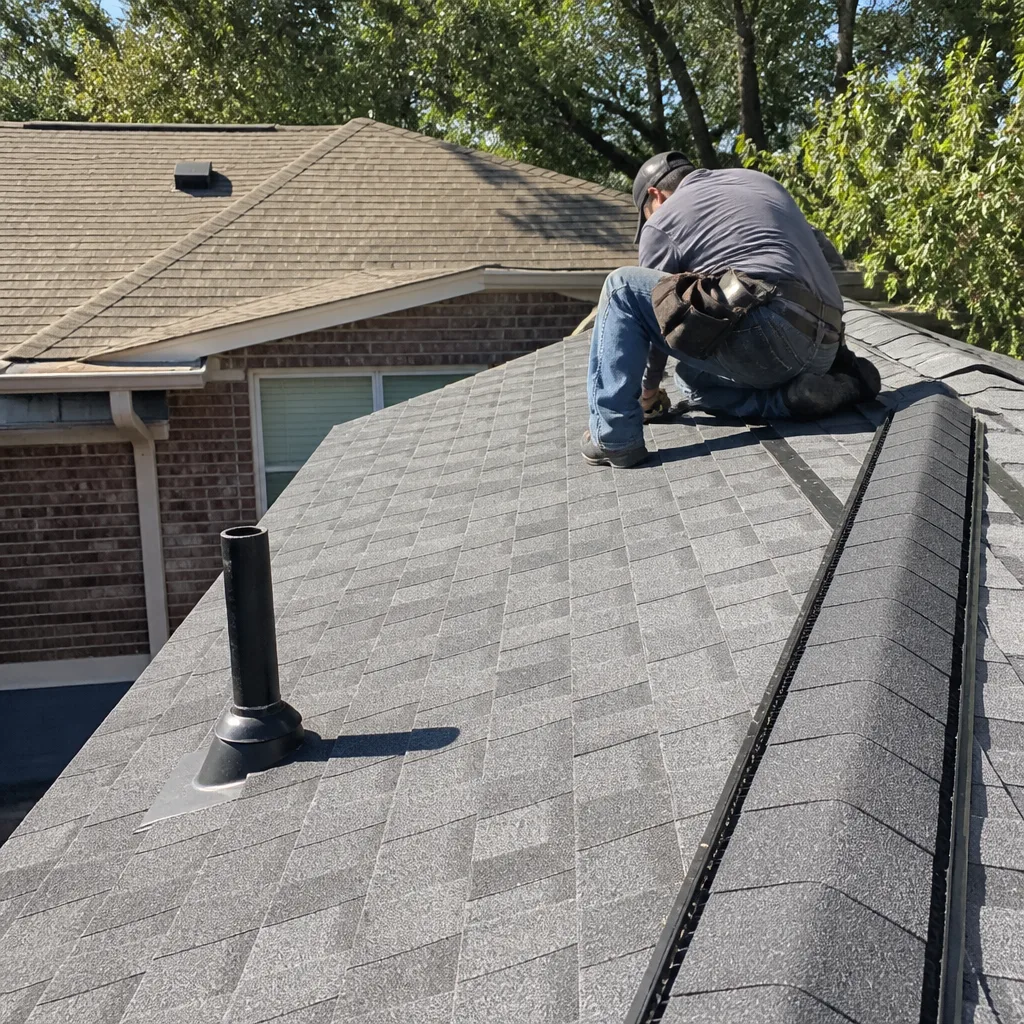 After
After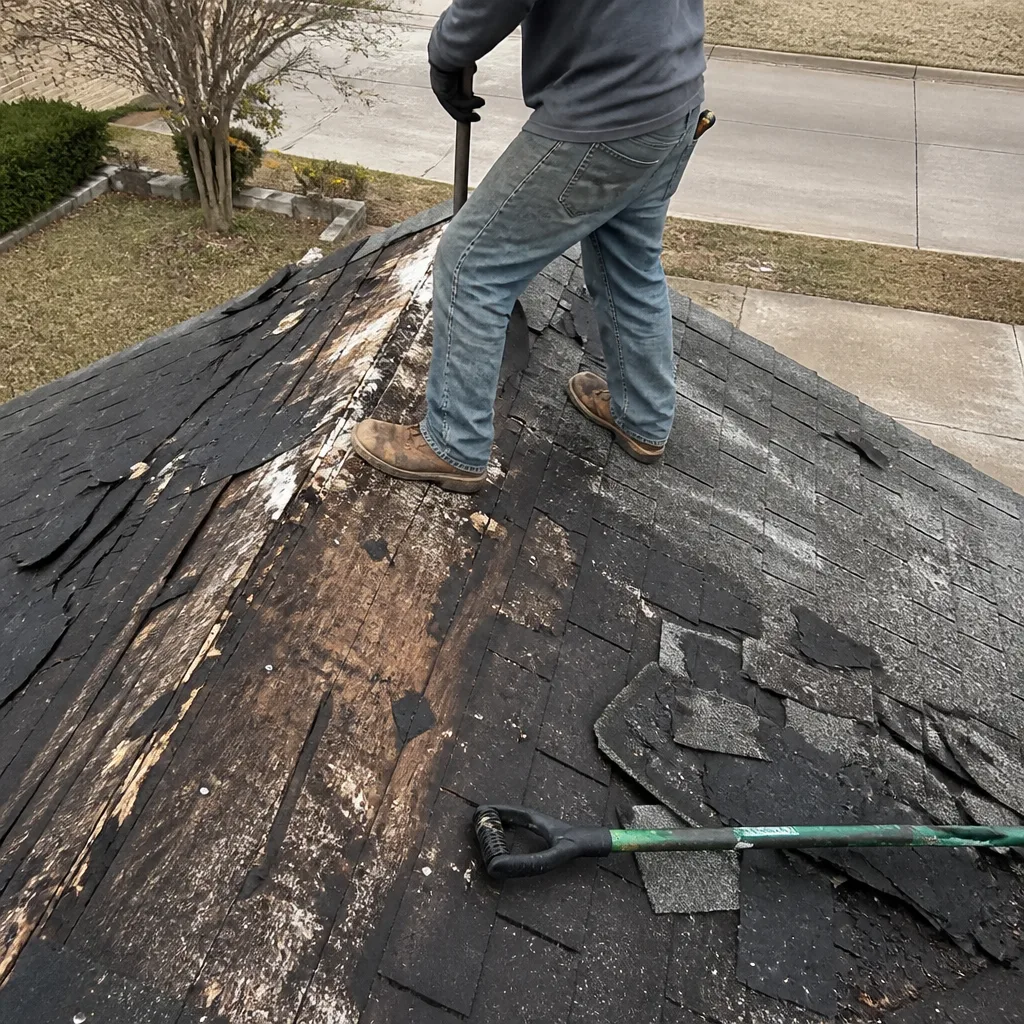 Before
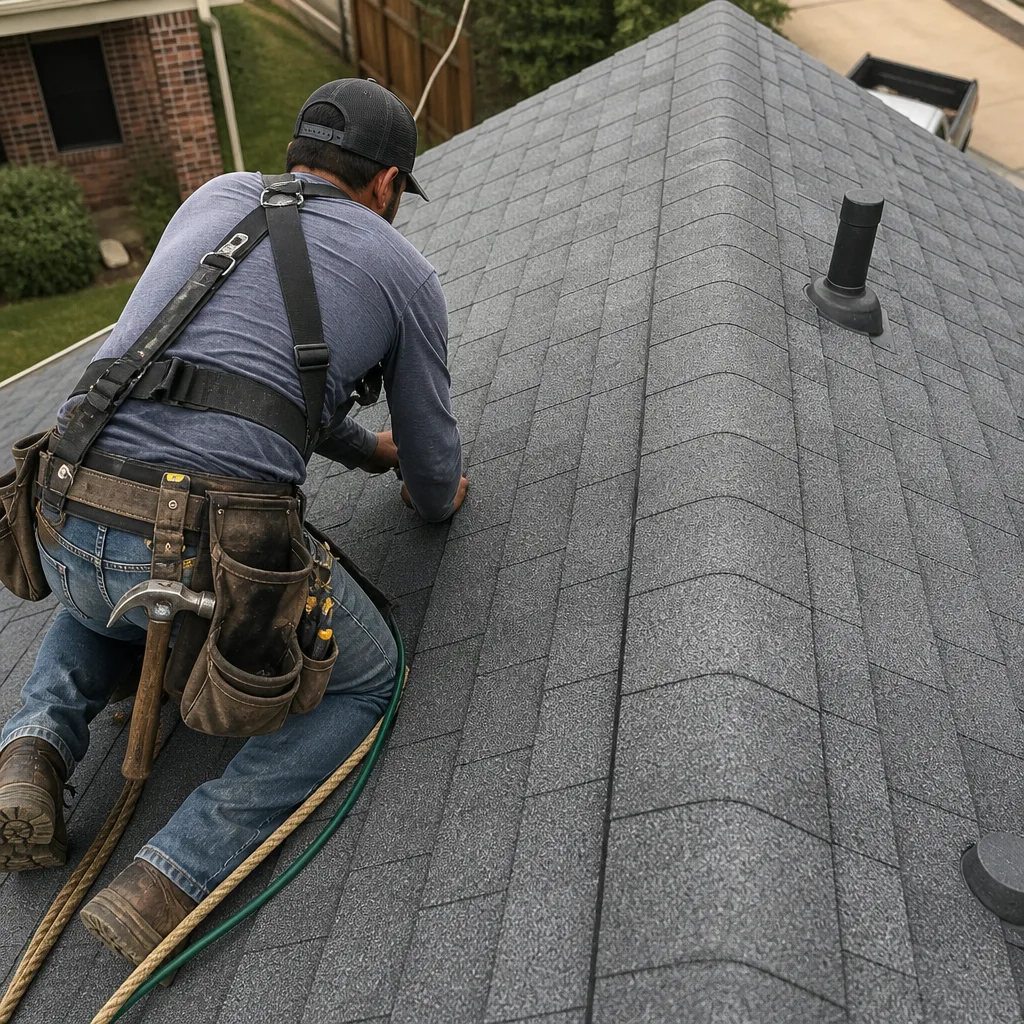 After
AfterValley Repair in Dallas, TX
Valley repair in Dallas typically costs between $350 and $900 for most homes, depending on how much metal has to be replaced and whether the decking underneath is still sound. A valley is the V-shaped channel where two roof slopes meet, and it’s one of the first places water finds its way in when something goes wrong. At Tilehurst Roofing Dallas, we inspect the valley, show you exactly what’s failed, and put a written price in your hands before any work starts. If you’re seeing water stains near a valley or missing flashing, call us at (903) 499-4275 and we’ll get someone out to look.
Valleys carry more water than any other part of a Dallas roof. During a heavy spring storm, a single valley can channel hundreds of gallons into the gutter system in an hour. When the metal valley liner or the shingles woven through it fail, water doesn’t drip slowly; it flows into the attic and down interior walls. That’s why valley repair is one of the most common Roof Repair calls we handle. It’s also why we treat every valley as a structural detail, not a patch job.
We’re part of the Kingswell family of roofing companies, founded in 2000. Our crew arrives in uniform, walks the roof with you if you want, and explains what we’re seeing in plain language. Greg Holloway leads the Dallas location and still reviews repair photos before we order materials. That level of attention matters when the difference between a $400 Flashing Repair and a $4,000 ceiling repair comes down to a few inches of metal.
When You Need Valley Repair
Dallas homeowners usually call us after one of these signs appears. Some are obvious from the ground; others only show up after a storm. Here’s what we hear most often:
- Water stains on the ceiling near a dormer or roof intersection. Valleys sit directly above interior walls in many Dallas floor plans, so a stain that follows a wall line often traces back to valley flashing. If the stain grows after rain, the valley is a likely source.
- Granules collecting in gutters below a valley. Asphalt shingles that run through a valley take more friction from water flow. Granule loss there happens faster than on flat roof fields. If you’re cleaning grit out of a downspout every few months, the valley shingles may be near the end.
- Rusted or pitted valley metal. Dallas gets intense sun followed by heavy rain, and that cycle accelerates metal fatigue. Older galvanized valley liners often rust through at the seams within 15 to 20 years. We see it regularly in Lake Highlands and East Dallas houses built in the 1980s.
- Missing or lifted shingles at the valley edge. The cut edge of a shingle along a valley is the most vulnerable point on the roof. Wind-driven rain can lift those edges, and once one goes, the water channel underneath is exposed. In Oak Cliff, where roof slopes can be steeper, this is one of our most frequent springtime repairs.
- Debris damming the valley after a storm. Oak leaves and cedar needles settle into valleys and hold water against the shingles. That standing water works its way under the material over time. If you see a line of damp debris that never seems to dry, the valley needs to be cleared and likely re-lined.
- Visible daylight through the attic at the valley seam. This is the strongest sign of failure. If you can stand in the attic and see light coming through where two roof planes meet, water is getting in. Call us that day.
Our Valley Repair Process
We don’t guess at what’s wrong. Every valley repair follows the same sequence, and you know the price before we touch the roof. Here’s how it works:
- We walk the roof and document what’s there. Greg and our lead technicians photograph the valley from above and below, check the attic decking if accessible, and measure how much valley liner or shingle material has to come out. We look at both slopes, not just the obvious failure point, because water often travels before it shows itself.
- We put a written price in your hands. Before any work starts, you get a line-item estimate covering materials, labor, tear-off, and disposal. The price we quote is the price you pay. No door-knock surprise, no “we found more damage” phone call that doubles the bill unless you approve an add-on in writing first.
- We pull back the affected material and inspect the underlayment and decking. Valley failure often means water has been working on the plywood or OSB underneath. We inspect that wood, show you photos of what we find, and if decking has to be replaced, we price it as a separate line item before cutting anything.
- We install a new valley liner or re-weave the shingles. For open valleys, we install a W-style metal liner that channels water cleanly into the gutter. For closed-cut or woven valleys, we replace the shingles and any damaged underlayment. Material options include IKO, Atlas, Tamko, and Boral, depending on what matches your existing roof.
- We seal, test, and clean up. We water-test the valley with a hose before we pack up, then sweep the area and run a magnet over the lawn for stray nails. The Kingswell Way means leaving the place cleaner than we found it, and that’s not a slogan; it’s how we run the crew.
- You get a written guarantee before the crew leaves. Your guarantee is printed and handed to you, not emailed later. It covers the valley repair work for a full year under our 365-Day Done Right Promise. If the repair fails inside that window, we return and fix it at no charge.
Valley Repair Pricing in Dallas
Here’s what Dallas homeowners should expect to pay for valley repair as of this year. These are real ranges from jobs we’ve completed in the city, not national averages from a website calculator:
- Small open-valley liner replacement (10 to 15 linear feet): $350 to $600
- Valley shingle replacement with underlayment repair: $500 to $850
- Full valley rebuild including decking replacement: $750 to $1,400
- Two valleys repaired in the same visit: $650 to $1,500 depending on access
- Emergency temporary seal before full repair: $250 to $400, credited if we complete the full repair within 14 days
Several things move the price. Roof pitch matters: a steep roof in Kessler Park costs more to work on safely than a low-slope ranch in Richardson because of harness time and staging. The condition of the decking under the valley is the biggest variable; if water has been sitting, that wood may need to be cut out and replaced. And the type of valley on your roof changes the material cost: open metal valleys are usually less labor-intensive than woven shingle valleys, but the metal liner itself costs more per linear foot.
Every estimate we give is free, and it’s a written, fixed price before you decide. Call (903) 499-4275 and we’ll schedule a roof walk at a time that works for you. If it’s raining, we’ll still come out, make a temporary data-driven assessment from inside the attic if needed, and get you a quote.
Why Valley Repair Matters More in Dallas Than Somewhere Cooler
Dallas roofing has to handle a strange combination: weeks of hundred-degree heat, sudden hailstorms, and downpours that drop two inches in an afternoon. Valleys absorb the worst of all three. The metal expands in the heat, contracts at night, and the seams slowly work loose. Hail dents the valley liner, which creates pockets where water pools instead of flowing toward the Vent Boot Repair areas. Then a heavy rain arrives and that water finds the seam.
In North Dallas neighborhoods like Preston Hollow and Far North Dallas, we regularly see valley failures on homes built in the 1990s and early 2000s because the original valley liners were galvanized steel, not the heavier-gauge aluminum or copper we install today. Those original liners usually lasted 15 to 25 years, and many are at or past that point now. The good news is that a properly installed modern valley can last 30 years or more, so a repair you make today likely outlasts the current shingle layer.
When we replace a valley, we talk through your material choices. IKO offers solid economy-grade shingles that match many Dallas builder roofs. Atlas and Tamko both make high-wind options well suited to the storm patterns we get in the metro. Boral’s tile and composite profiles appeal to homeowners in areas like Lakewood who want a more substantial look at the valley line. You’re not stuck with whatever we happen to have on the truck; you choose, and we price each option clearly.
How Much Does a Leaking Valley Cost to Ignore?
This is the question that changes minds. A valley leak left for a year can spread into the attic insulation, soak the decking, and travel down into wall cavities. By the time the stain shows on the ceiling, the repair scope has likely moved beyond the roof. We’ve opened up valleys in Dallas where the decking was soft enough to push a finger through, and the homeowner thought the ceiling stain was just a one-time thing from a bad storm.
Here’s a rough lay of the land:
- Valley leak caught early (flashing or shingle edge): $350 to $600 roof repair, no interior damage
- Valley leak with wet but sound decking: $500 to $900 roof repair, then monitor the ceiling
- Valley leak with rotted decking and wet insulation: $750 to $2,500 depending on plywood replacement, insulation removal, and drywall repair
- Valley leak that’s run down an interior wall for months: $2,500 to $6,000 once drywall, paint, trim, and possible mold remediation are added
The lesson we repeat to every Dallas homeowner: if you see a stain near a valley, call before the next big rain. A $500 valley repair is cheaper than a $5,000 interior restoration. That’s not sales pressure; it’s arithmetic.
Our Valley Repair Process in More Detail
We get a lot of questions about how we actually do the work, so here’s the fuller picture. It helps to know what’s happening up there.
Open Valley Repair
Most Dallas homes with asphalt shingles have open valleys, where a strip of metal runs down the center and the shingles stop a few inches back on either side. When that metal fails, we pull the shingles away along the valley edge, remove the old liner, inspect the underlayment, and install new metal. We use a W-profile liner so the water runs down the center and can’t climb over the sides under wind pressure. The shingles are then reinstalled and any torn edges replaced.
Closed-Cut Valley Repair
Some homes, especially those with architectural shingles, have closed-cut valleys where shingles from one plane run across the valley and are trimmed at the centerline of the other plane. Repairing these requires lifting the upper courses, replacing the damaged or worn shingles, and re-sealing the cut edge. It’s slower work, but when done right, a closed-cut valley looks cleaner than an open metal line and holds up well against Dallas wind.
Woven Valley Repair
Woven valleys are more common on older Dallas homes and on lower-slope roofs. Shingles from both sides alternate across the centerline. Repairing a woven valley usually means replacing the full woven section, because patching one side of a weave is like patching half a zipper. We’re honest about when a woven valley should be converted to an open metal valley instead; sometimes that’s the more reliable long-term fix, and we’ll tell you so with the numbers to back it up, just as we would for a Flat Roof Patch.
FAQs – Valley Repair
How much does valley repair cost in Dallas?
Most valley repairs in Dallas run between $350 and $900. Small open-valley liner replacements sit at the lower end, while full valley rebuilds with decking work can reach $1,400 or more. The price depends on roof pitch, valley length, material type, and whether the wood underneath is still sound. Call (903) 499-4275 for a free, written estimate; we’ll give you an exact number before any work starts.
Can you fix a valley leak the same day?
In most cases, yes. If the valley is accessible and the weather allows, we can complete a small to medium valley repair the same day we inspect it. Larger rebuilds that require decking replacement may take a second day. We keep common valley liner profiles and shingle colors in stock around the Dallas metro to speed things up. If you’re seeing active water intrusion, call us and we’ll prioritize it.
Is it cheaper to repair a valley or replace the whole roof?
For a localized valley failure, repair is almost always cheaper. A valley repair costs a few hundred to around a thousand dollars, while a full roof replacement in Dallas typically runs from $7,500 to $15,000 depending on size and materials. The exception is when multiple valleys are failing and the shingle field is near the end of its life; in that case, we’ll show you the comparison and let you decide with real numbers in front of you.
How long does a valley repair last?
A properly installed valley on a Dallas roof should last 20 to 30 years or more, often outlasting the surrounding shingles. The variables are material quality, installation technique, and whether the decking underneath was sound when we installed it. Every valley repair we do is covered by a written one-year guarantee under the 365-Day Done Right Promise. If it fails in that window, we return and fix it at no charge.
Do you need to inspect the valley from inside the attic?
Not always, but we check the attic whenever it’s accessible because it’s the fastest way to see water damage that hasn’t reached the ceiling yet. Dark staining on the roof deck, wet insulation, or rusted nails at the framing tell us how long the leak has been active and how far the repair needs to go. That’s part of why our estimates hold; we don’t discover the rotten wood after we’ve already started tearing off shingles.
What does a valley look like and where is it on my roof?
A valley is the V-shaped channel where two roof planes meet at an angle. Walk to the street and look at your roof: wherever the roof surface turns a corner inward rather than outward, that’s a valley. You’ll usually see them above dormers, around chimneys where roof lines converge, and where a garage roof ties into the main house. If you see metal flashing running down one of those lines, you have open valleys; if it’s all shingles, you have closed or woven valleys.
Who We Are
Tilehurst Roofing Dallas is a Kingswell family roofing company, founded in 2000. We were built for homeowners who’ve already been burned once by a no-show contractor or a price that changed at the door. Our job is to answer the phone, show up in the window we promised, tell you the price before the work starts, and put the guarantee in writing before we leave. Greg Holloway runs our Dallas operation and is the person you’ll speak with when you call about a valley that’s giving you trouble.
We answer the phone 24 hours a day, 7 days a week. Not a voicemail, not a callback queue, not an answering service that takes a message. You call (903) 499-4275 and a real person picks up, even on a Saturday night when the rain won’t stop.
We carry materials from seven leading manufacturers: GAF, CertainTeed, Owens Corning, IKO, Atlas, Tamko, and Boral. That means the material matches your home, not whatever happens to be in the truck that week. For valley work specifically, we commonly use IKO and Atlas shingles for closed valleys and heavier-gauge metal liners for open valleys. Boral is a good fit for tile or composite roof profiles in the older Dallas neighborhoods.
Every repair is covered by our 365-Day Done Right Promise. If the valley work fails inside a year, we return at no charge. If we miss a window, you get a call before we’re late, not after. That’s how the Kingswell Way works: say the price before the work, show up in the window we gave, leave the place cleaner than we found it, put the guarantee in writing, come back if it fails.
Key Takeaways
- Valley repair in Dallas usually costs $350 to $900, with full rebuilds running up to $1,400 when decking is involved.
- Valleys channel the most water on your roof, so failures there cause faster interior damage than leaks on the flat roof field.
- We give a written price before any work starts and a written guarantee before the crew leaves. No exceptions.
- A live person answers our phone 24/7, including nights and weekends. Call (903) 499-4275 for a free estimate.
- Material choices include IKO, Atlas, Tamko, and Boral, matched to your existing roof rather than forced by inventory.
Call for a Free Valley Repair Estimate
If you’re seeing water stains near a valley, lifted shingles, or rust on the metal flashing, don’t wait for the next storm to tell you what’s wrong. Call Tilehurst Roofing Dallas at (903) 499-4275 and we’ll schedule a roof inspection at a time that works for you. The estimate is free, it’s written, and it’s the exact price you’ll pay if you decide to move forward. Greg and the crew will make sure you understand exactly what’s failing and what it costs to fix, in plain English, before you spend a dollar.
Written by Greg Holloway, Owner at Tilehurst Roofing Dallas, serving Dallas.