
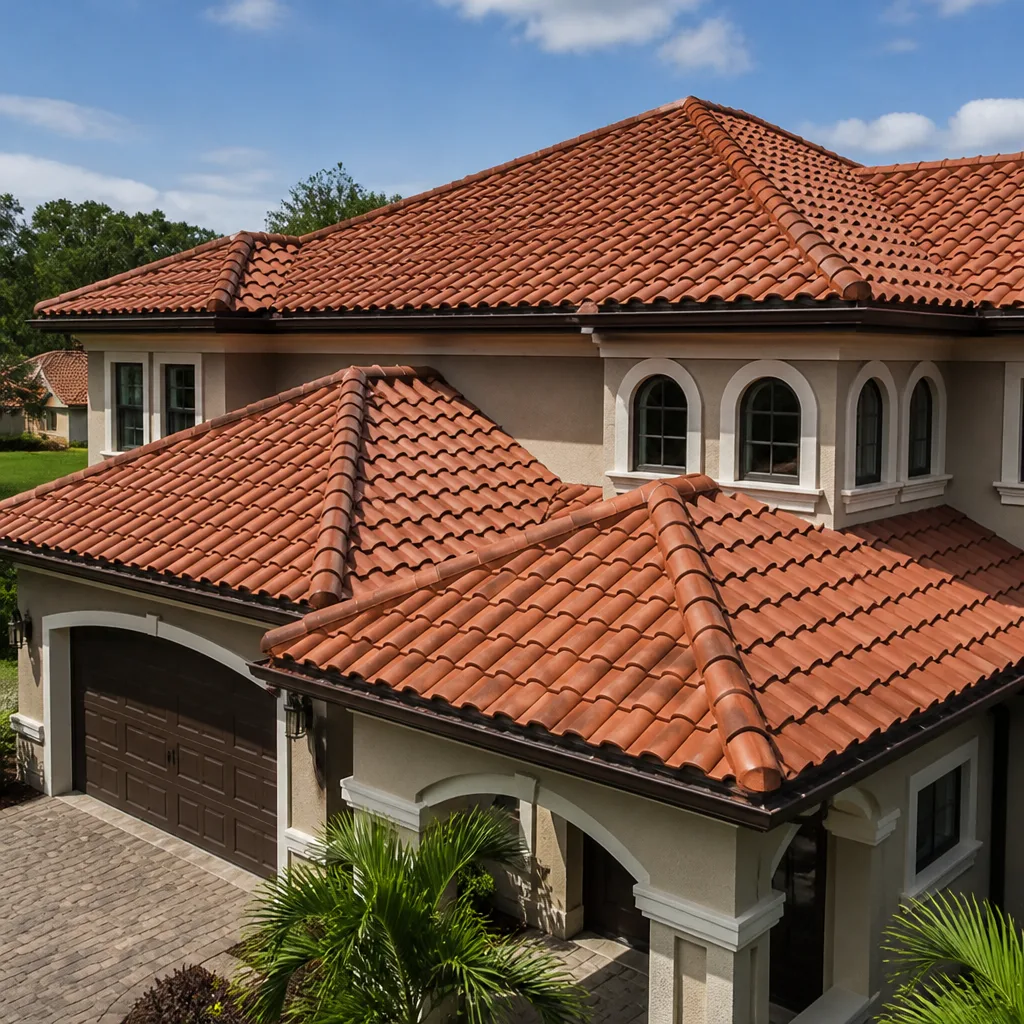
 Tile roofing
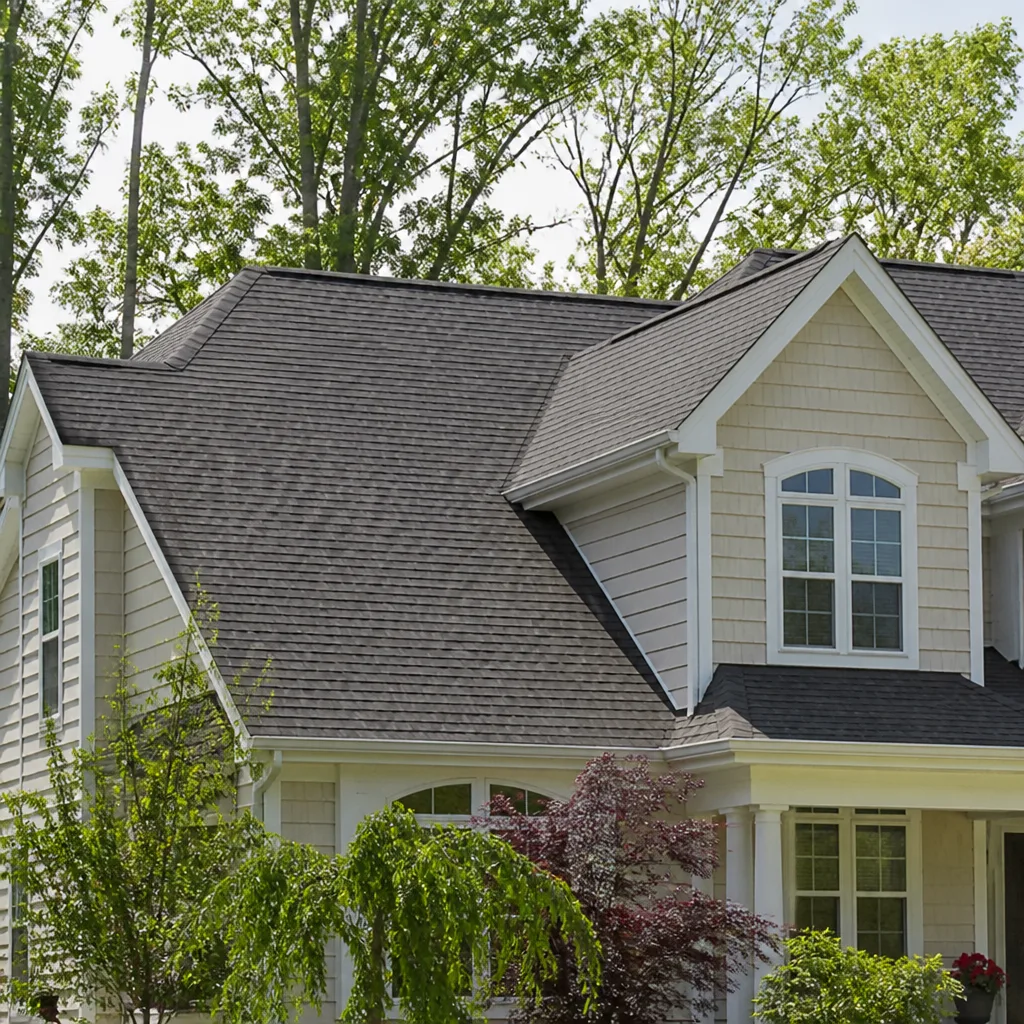 Architectural shingles
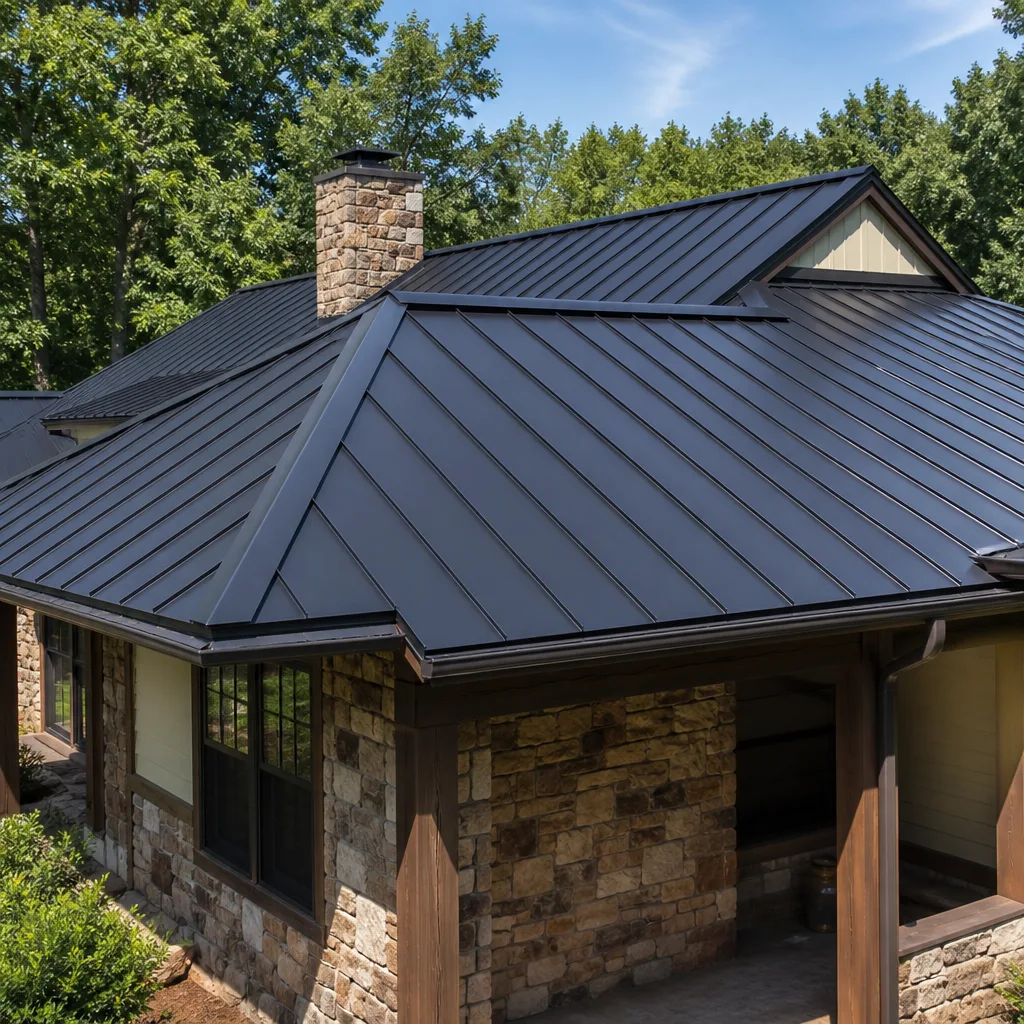 Metal roofing
 GAF
GAF Owens Corning
 Flat & low-slope
Free roof inspection with deck photos before we talk money - GAF and Owens Corning certified installation
CertainTeed Flashing Replacement: The Dallas Owner’s Guide
CertainTeed flashing replacement in Dallas typically runs $350 – $900 installed, depending on the flashing location, how much surrounding material has to be removed, and whether the decking underneath is still sound. We stock CertainTeed-compatible flashing on our trucks and can usually complete a standard flashing swap the same day we diagnose it. Most Dallas homeowners discover the problem the hard way: a brown watermark on the ceiling, a damp spot in the attic, or granules in the gutter below a valley that’s quietly been leaking for months.
Flashing is the metal (or sometimes rubberized membrane) that bridges the joints where your roof meets something else: a chimney, a wall, a vent pipe, a skylight, or a valley where two roof planes meet. When it fails, water follows. CertainTeed roofing systems are built to last, but flashing endures more thermal stress than any shingle on the roof. Dallas summers push attic temperatures past 140°F, and when a cold front blows through, that metal expands and contracts daily. Over a decade, that’s thousands of flex cycles on every seam and sealant joint.
We’re an independent roofing contractor in Dallas, not affiliated with CertainTeed directly, but we’ve installed and repaired their systems for years and know what parts match what product lines. More on that below.
Which CertainTeed Models This Applies To
If your home has a CertainTeed roof, the flashing installed with it is almost always 26-gauge or 28-gauge galvanized steel, with CertainTeed’s thicker 24-gauge option showing up on higher-wind roofs. The key compatibility point isn’t the shingle model, it’s the flashing profile. CertainTeed’s shingle lines, from XT 25 three-tab up through Landmark and Landmark Pro architectural shingles, all install over standard step flashing dimensions: roughly 2″ x 2″ x 10″ pieces for wall intersections, and wider 14″ – 18″ apron flashing for chimney bases.
The gotcha most homeowners miss: older CertainTeed roofs in Dallas, especially those installed before 2010, often have aluminum flashing, not galvanized steel. Aluminum and certain treated woods don’t play well together, and after years of contact with cedar or with certain deck coatings, Galvanic corrosion eats pinholes through it. If you can see white powdery crust on the flashing edge, that’s what’s happening. We won’t patch aluminum, we’ll replace it with steel.
How to identify your part: check the metal for a faint stamp. Most CertainTeed flashing carries a small gauge mark or manufacturer code on the underside lip. If the stamp’s long gone, we measure. Thickness with a caliper, width of the vertical leg, and the bend radius tell us exactly what to match it with. For aftermarket replacements, we use OEM-spec galvanized steel or, in corrosive coastal-adjacent zones of North Texas, powder-coated steel. CertainTeed’s own branded flashing is excellent, but honest truth: quality aftermarket galvanized steel with the same gauge and profile performs identically.
Styles & brands we work with
Signs Your CertainTeed Flashing Replacement Is Failing
- Water staining on interior ceilings near chimneys or exterior walls. Flashing laps the joint between roof and vertical surface. When sealant dries out and cracks, water wicks behind the flashing and travels along rafters before it ever shows up on drywall. By the time you see the stain, the leak has usually been active for weeks.
- Rust streaks or rust-through on exposed flashing metal. Dallas isn’t a saltwater market, but our humidity and decades of trapped moisture take their toll. Surface rust is cosmetic. Pinholes are structural. If you can see daylight through it, it’s done.
- Curled, lifted, or separated flashing at wall intersections. The step flashing pieces tucked under each shingle course should lie flat against the wall. When roofing cement fails, the corners lift. Heavy Dallas storms push wind-driven rain right under those lifted edges.
- Missing or damaged counterflashing at chimneys. Counterflashing is the second metal layer that tucks into the mortar joint above the base flashing. If the mortar’s crumbling or the counterflashing has pulled out, water drains straight down the chimney chase into your attic.
- Granule accumulation in gutters below valleys. Valley flashing sits in the darkest, wettest part of your roof. When the metal corrodes through, water hits the shingle underside and breaks down their adhesive bond. A pile of granules in one specific gutter run tells us exactly where to look.
See the difference
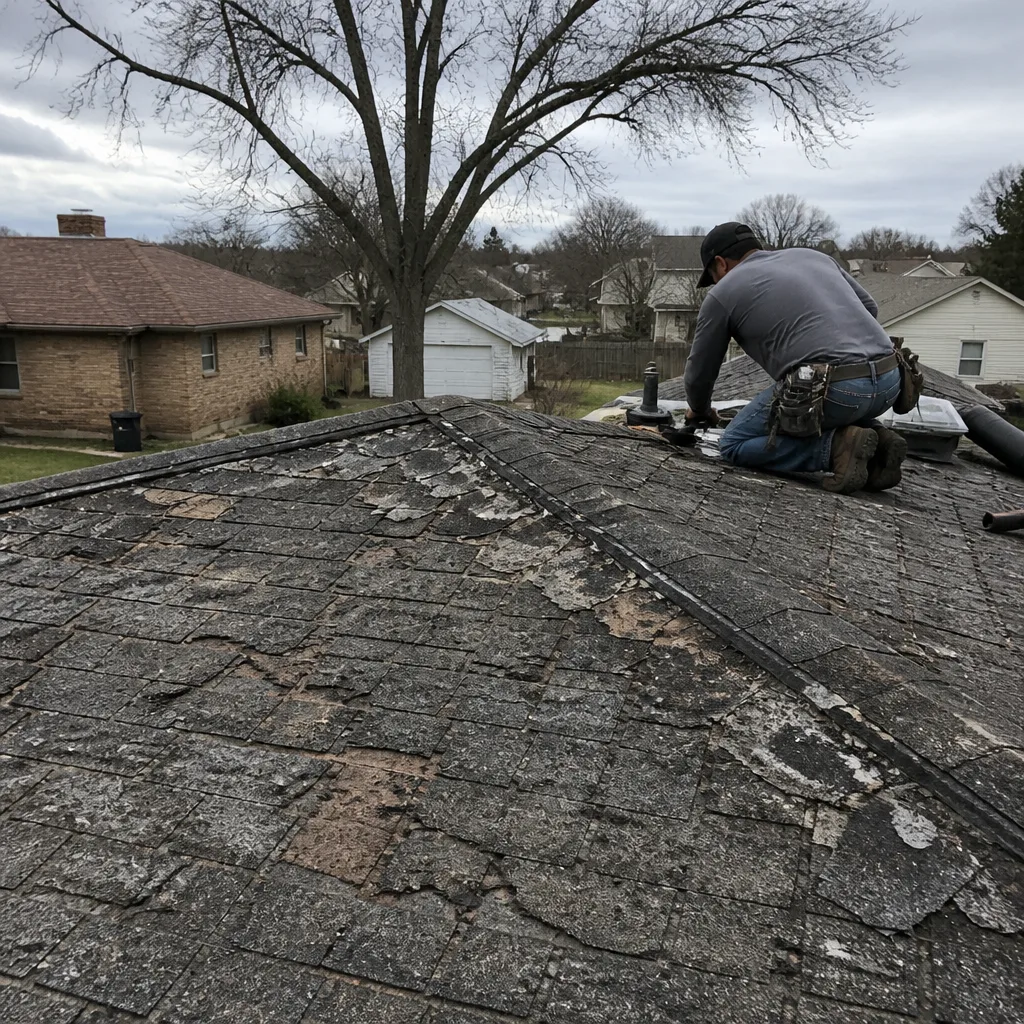 Before
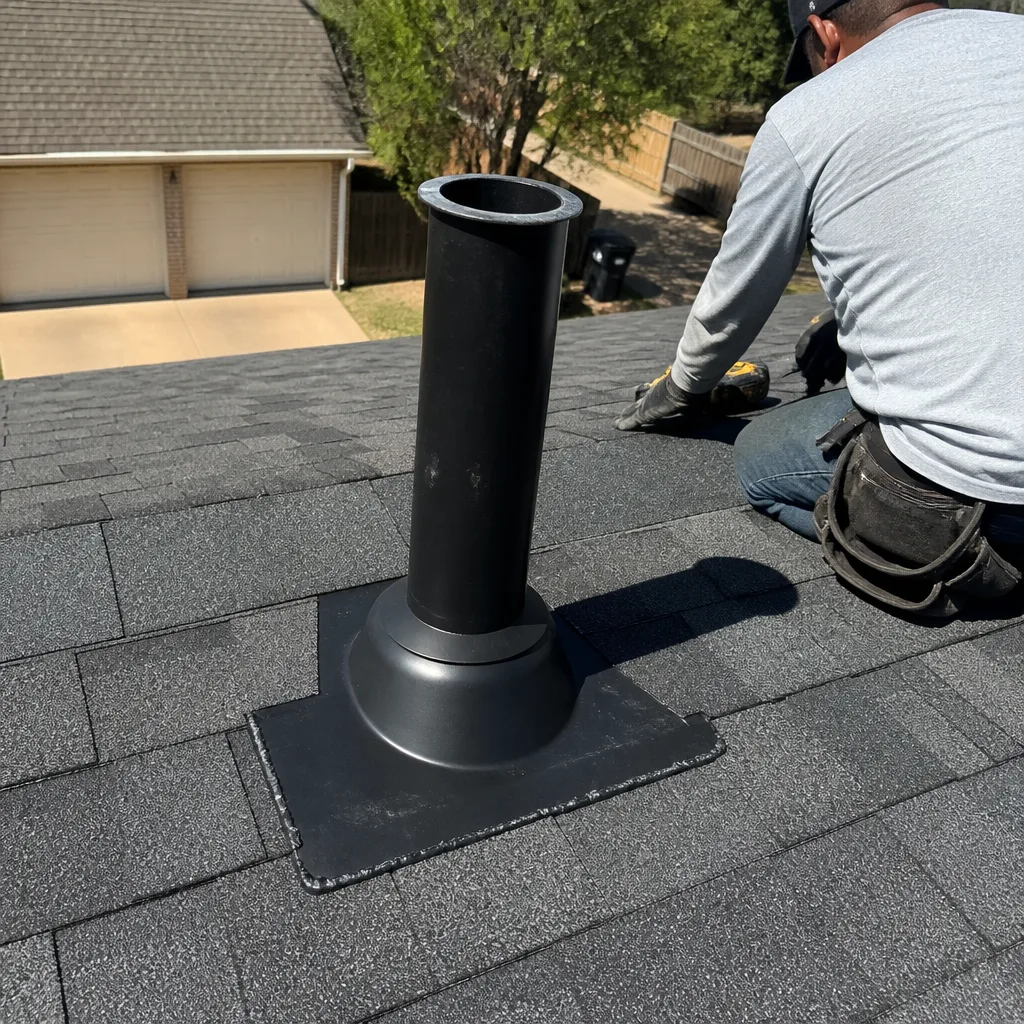 After
After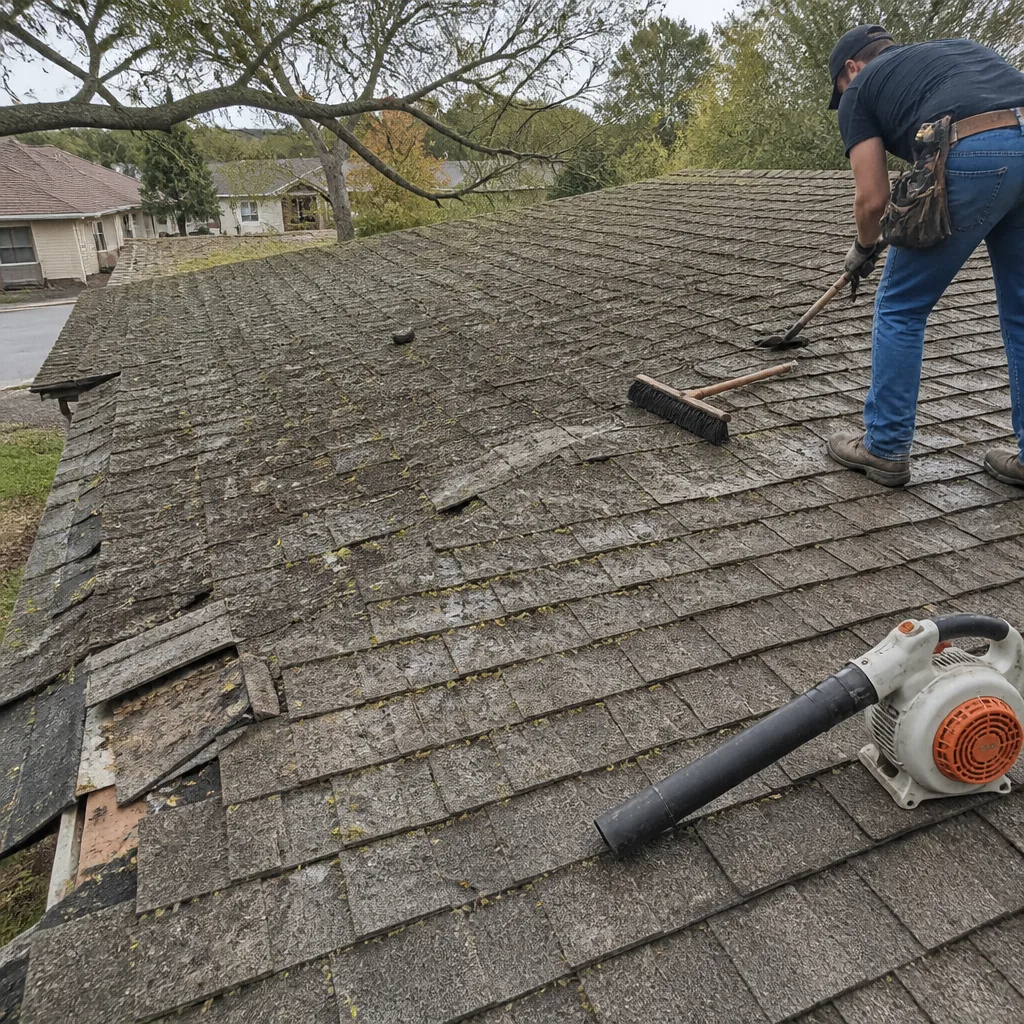 Before
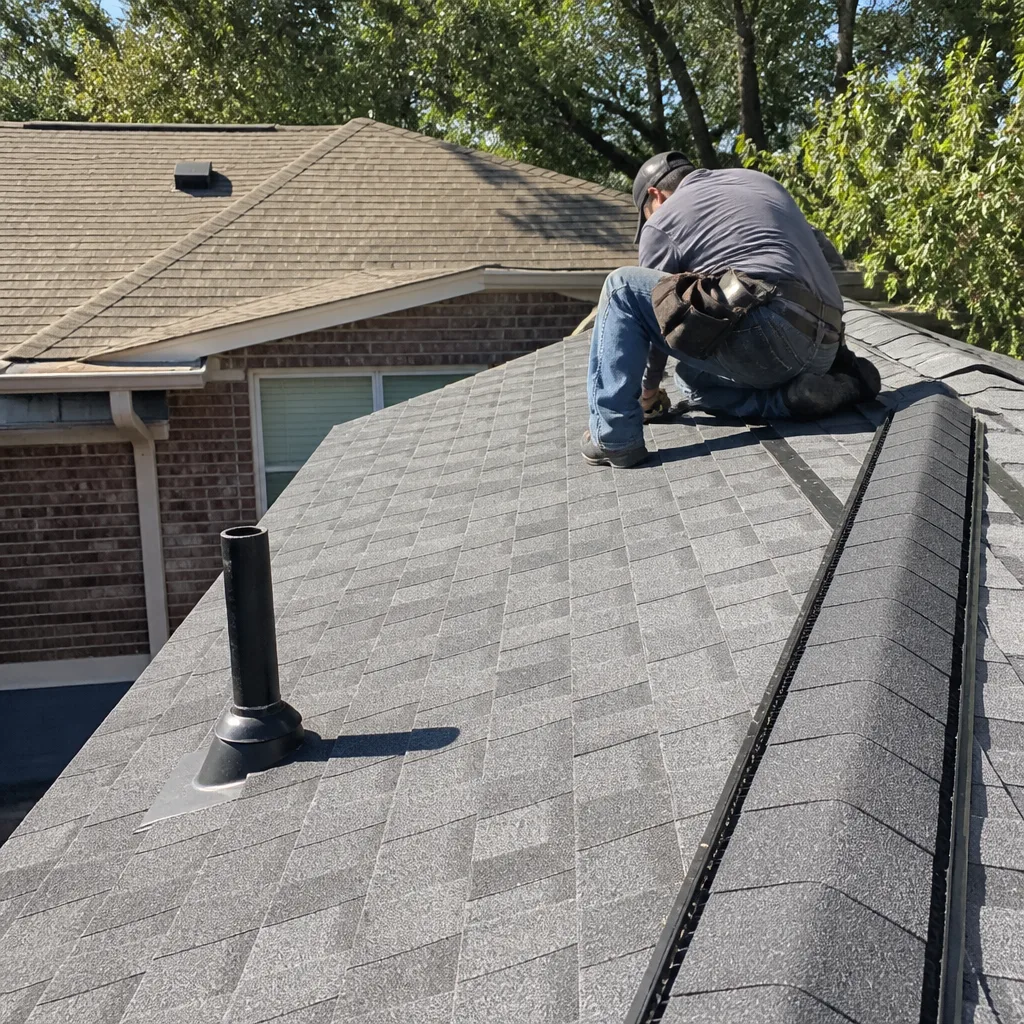 After
After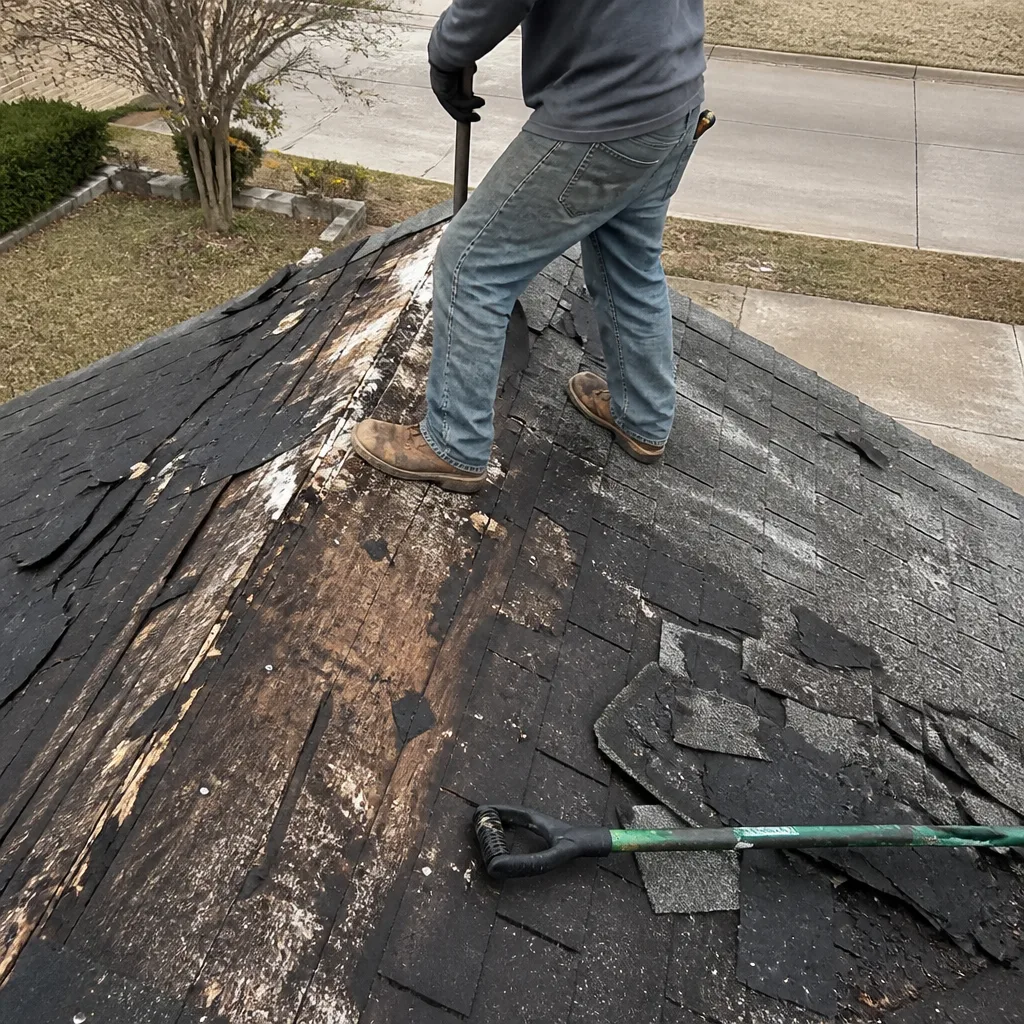 Before
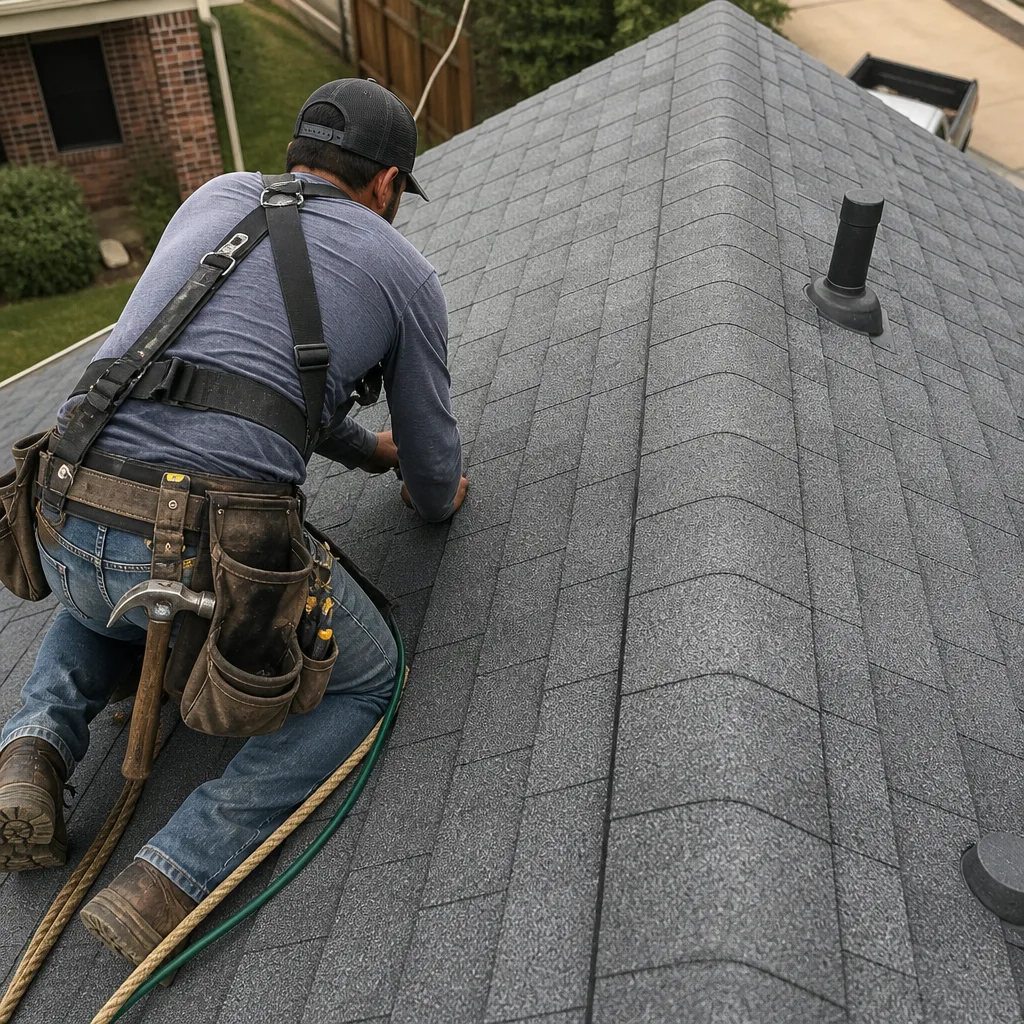 After
AfterReplacement Cost & What’s Included
Dallas pricing for CertainTeed flashing replacement breaks down like this:
| Flashing Type | Typical Installed Price Range |
|---|---|
| Step flashing (wall/roof intersection), 10 – 15 linear feet | $350 – $550 |
| Chimney base flashing (new apron + counterflashing) | $600 – $900 |
| Valley flashing replacement | $500 – $800 |
| Vent pipe / plumbing boot flashing | $250 – $450 |
What drives the range: how many shingle courses have to be lifted or replaced, whether the decking beneath has water damage, and how tall or steep the roof is. A two-story chimney on a 10/12 pitch costs more than a one-story wall intersection simply because of access and safety rigging. Every quote we write in Dallas includes the flashing metal, new roofing cement and sealant, replacement shingles, disposal, and our labor. The price you see is the price you pay, and every flashing replacement carries our 365-Day Done Right Promise: if it leaks inside a year, we come back and fix it at no charge, period.
DIY or Call Us?
Let’s be straight: flashing replacement is not a ladder-and-caulk job. An owner can safely check for obvious signs, rust streaks, lifted corners, dried sealant, but once you’re on the roof lifting shingles around a chimney, you’re in a whole different situation. Flashing work on anything above a single-story, or any area requiring you to work at height, is where we’d say call a pro. The fall risk is real, and the failure risk on a bad DIY flashing job is worse than the original leak. A tube of roofing cement from the hardware store lasts one Dallas summer at most, and it won’t fix a rusted-out valley pan.
If you’re comfortable on a ladder and just want to do a visual check, fine. Mark what you see. But when it comes to cutting out old flashing and bending new metal to fit, call (903) 499-4275. Greg Holloway walks every flashing job himself before quoting. Price before we touch it. That’s just how a roof conversation ought to start.
FAQs
Galvanized steel flashing on a Dallas roof typically lasts 20 – 30 years, while aluminum flashing fails sooner (10 – 15 years) because of corrosion and thermal fatigue. The failure point is almost always the sealant joints before the metal itself fails.
If the damage is limited to separated sealant or a small lifted corner, a targeted repair can buy you a year or two. If there’s rust-through, missing counterflashing, or water already in the decking, replacement is the honest fix. Call (903) 499-4275 for an assessment, it’s free either way.
A standard step flashing or vent boot replacement takes 2 – 4 hours. Chimney flashing with new counterflashing runs most of a day, because we’re cutting into mortar joints and custom-bending each piece. We stock flashing material for CertainTeed, GAF, and Owens Corning roofs on the truck.
We stock it. Our Dallas trucks carry galvanized steel step flashing, chimney apron stock, valley metal, and vent boots that match CertainTeed spec. If your roof needs a specific aftermarket piece we don’t have on hand, we source and install it without you lifting a finger.
No. The written price you get before we begin is the price on the invoice, unless we both agree in writing to add scope. If we find damaged decking when we lift the flashing, we’ll show you, explain the cost, and get your sign-off before any extra work happens.
Call (903) 499-4275 to schedule your free CertainTeed flashing inspection in Dallas. We answer live, 24/7.
Written by Greg Holloway, Owner, Tilehurst Roofing Dallas at Tilehurst Roofing Dallas, serving Dallas and nearby areas.