
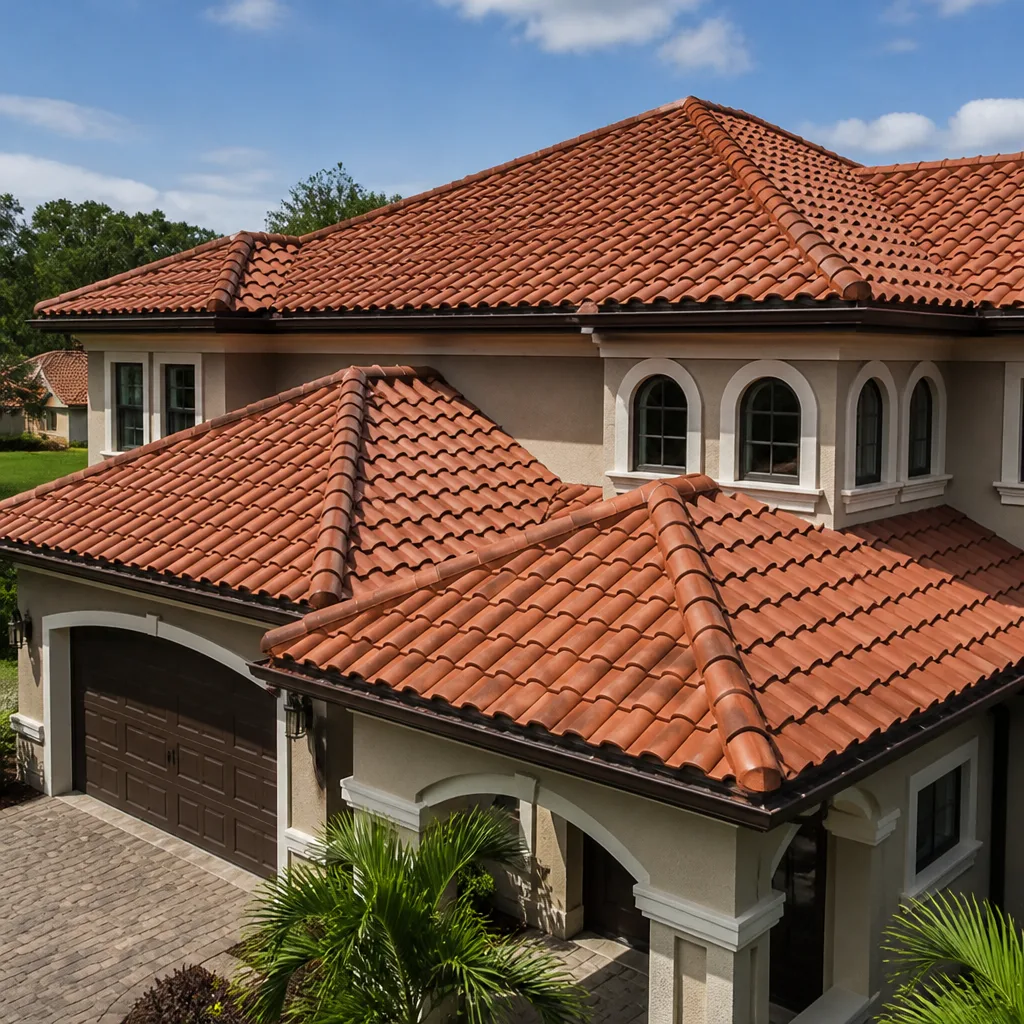
 Tile roofing
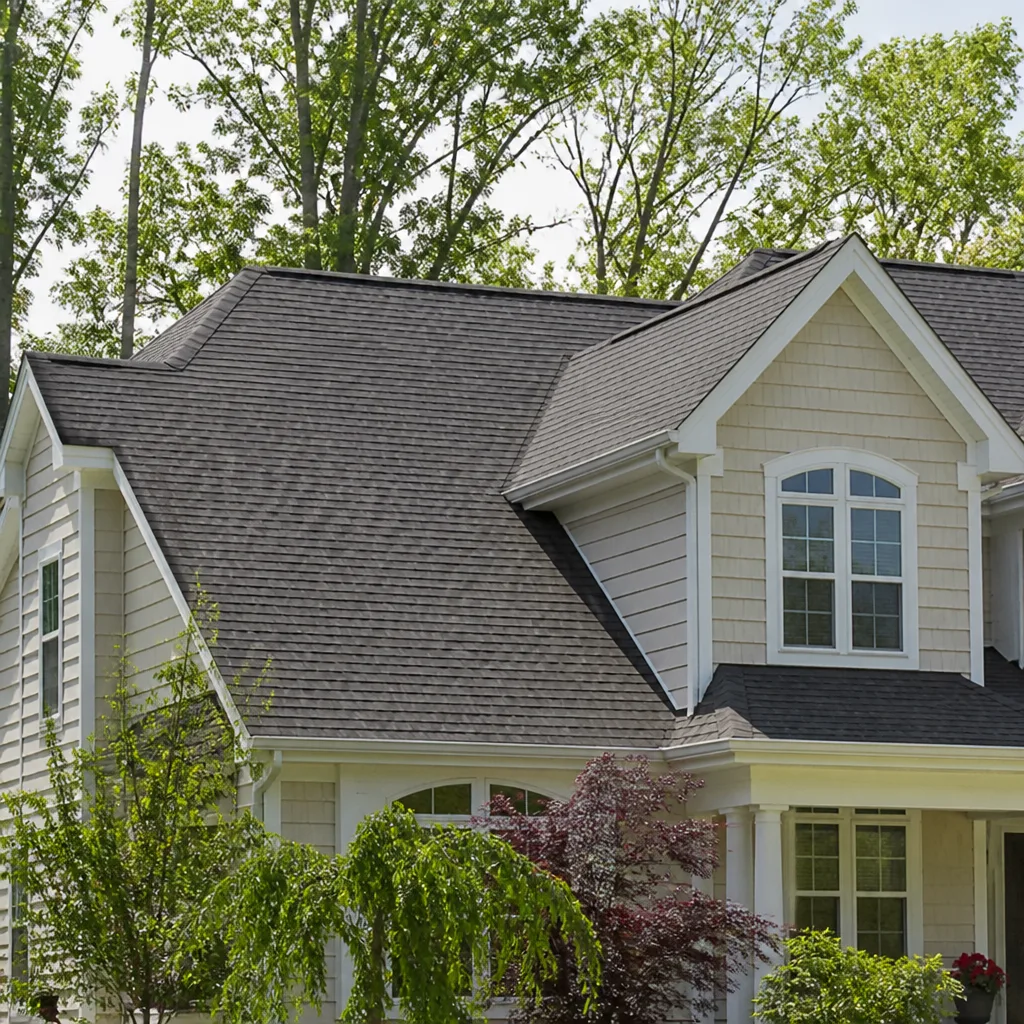 Architectural shingles
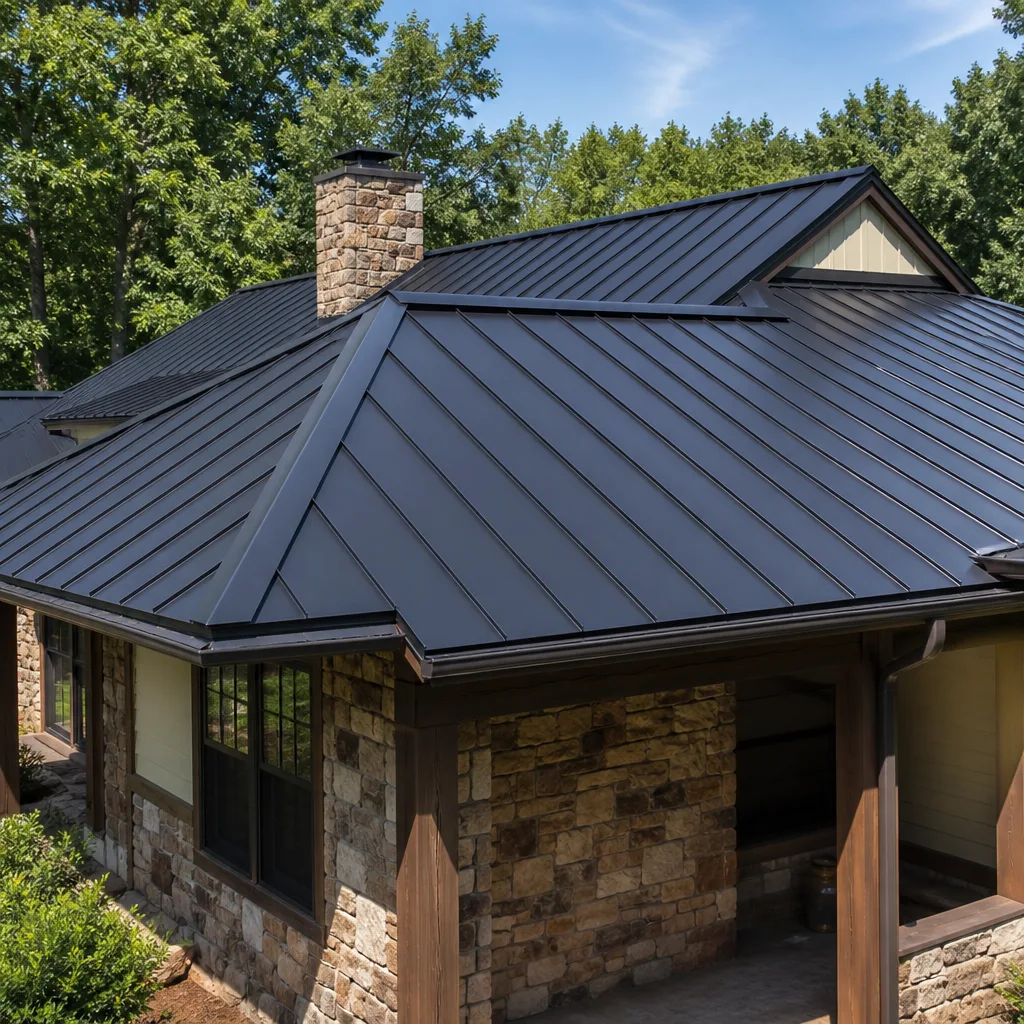 Metal roofing
 GAF
GAF Owens Corning
 Flat & low-slope
Free roof inspection with deck photos before we talk money - GAF and Owens Corning certified installation
Boral Ridge Vent Installation: The Dallas Owner’s Guide
Boral ridge vent installation in Dallas typically runs $8 to $14 per linear foot installed, with most homes needing 20 to 60 linear feet, so a complete job lands between $450 and $1,100 depending on roof length and whether we’re swapping out a failed vent or installing new. We stock Boral-compatible ridge vent material on our trucks and can usually handle the work the same week you call. Most owners discover the problem one of two ways: they spot cracked or warped plastic along the ridge line from the ground, or they notice their attic feels like a sauna in July and their AC bill climbed $40 a month without explanation.
Ridge vent is the exhaust half of your attic ventilation system. Air comes in through the soffits at the roofline’s edge, heats up in the attic, and rises out through the ridge vent at the peak. When that Boral vent fails, the whole system backs up. In Dallas summers, where attic temperatures regularly hit 140 degrees in July and August, a dead ridge vent doesn’t just cost you comfort. It bakes your shingles from underneath, which shortens the life of a roof that already works hard in North Texas heat.
Which Boral Models This Applies To
Boral’s ridge vent line centers on two products: the Boral CedarRidge and the Boral ProfileVent. Both are rigid shingle-over ridge vents, meaning they’re installed at the roof peak and your shingles or Boral roof tiles sit on top of them. The CedarRidge is the more common one we see on Dallas homes with Boral tile or stone-coated steel roofing, and it’s built with a baffle system that pulls air out while blocking wind-driven rain. The ProfileVent is a lower-profile variant designed for cleaner sight lines on shorter roof pitches.
Here’s the compatibility gotcha every Boral owner should know: Boral changed the CedarRidge profile around 2012, and the older version is not available as a direct OEM replacement anymore. If your roof predates that change, you’ll need the current CedarRidge profile, which has a slightly different baffle spacing. It still vents correctly, but the mating surface differs just enough that a mismatched section will channel water instead of shedding it. We check the old vent’s stamp code or measure the baffle spacing before we quote anything, because guessing at this part is how you get a leak six months later.
On the OEM versus aftermarket question: we use Boral OEM ridge vent when it’s available and the roof still carries a transferable warranty. When it isn’t, we offer quality aftermarket equivalents that match the vent profile and meet the same wind and hail ratings. We’ll tell you which option applies to your roof and why, and the price difference is on the quote in writing before you decide.
Styles & brands we work with
Signs Your Boral Ridge Vent Installation Is Failing
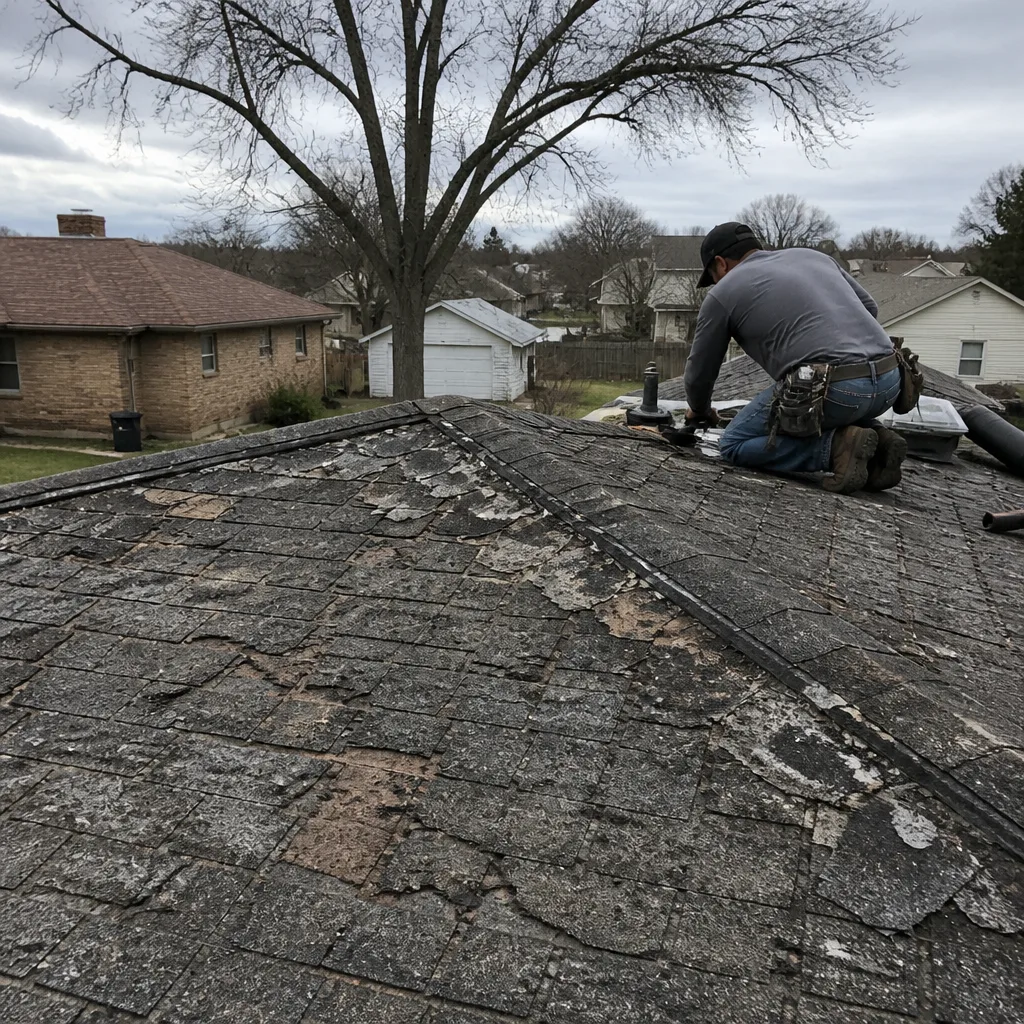
- Warped or wavy vent plastic along the ridge line. Boral’s rigid vent material holds up well, but a decade or more of direct Texas sun will eventually soften and distort it. Once the vent warps, the shingle line above it buckles, and water finds the gaps.
- Attic temperature spikes in summer. If your upstairs rooms run 8 to 10 degrees hotter than the rest of the house and your attic thermometer reads above 130 degrees on a 95-degree day, your ridge vent probably isn’t exhausting. This is the most common silent failure we see in Dallas.
- Rust streaks or water staining on the underside of the roof deck near the peak. That means moisture is condensing at the ridge instead of venting out. On Boral tile roofs especially, trapped moisture is a slow killer for the underlayment.
- Granule loss concentrated near the ridge cap shingles. When attic heat can’t escape, it cooks the shingles from underneath and they shed granules much faster than the field of the roof. If your ridge cap looks bare while the rest of the roof still has texture, ventilation is usually the root cause.
- You hear wind whistling through the ridge during storms. Boral’s baffle system is designed to be quiet. A whistle means a section of baffle has cracked or separated, and now the vent is doing the opposite of what it should: letting weather in instead of letting heat out.
One Dallas-specific reality: hail season runs March through May, and a rotten vent won’t survive what a healthy one shrugs off. If you’re seeing any of these signs before storm season, address them before the next hail event turns a $500 vent replacement into a $15,000 roof claim.
See the difference
 Before
 After
After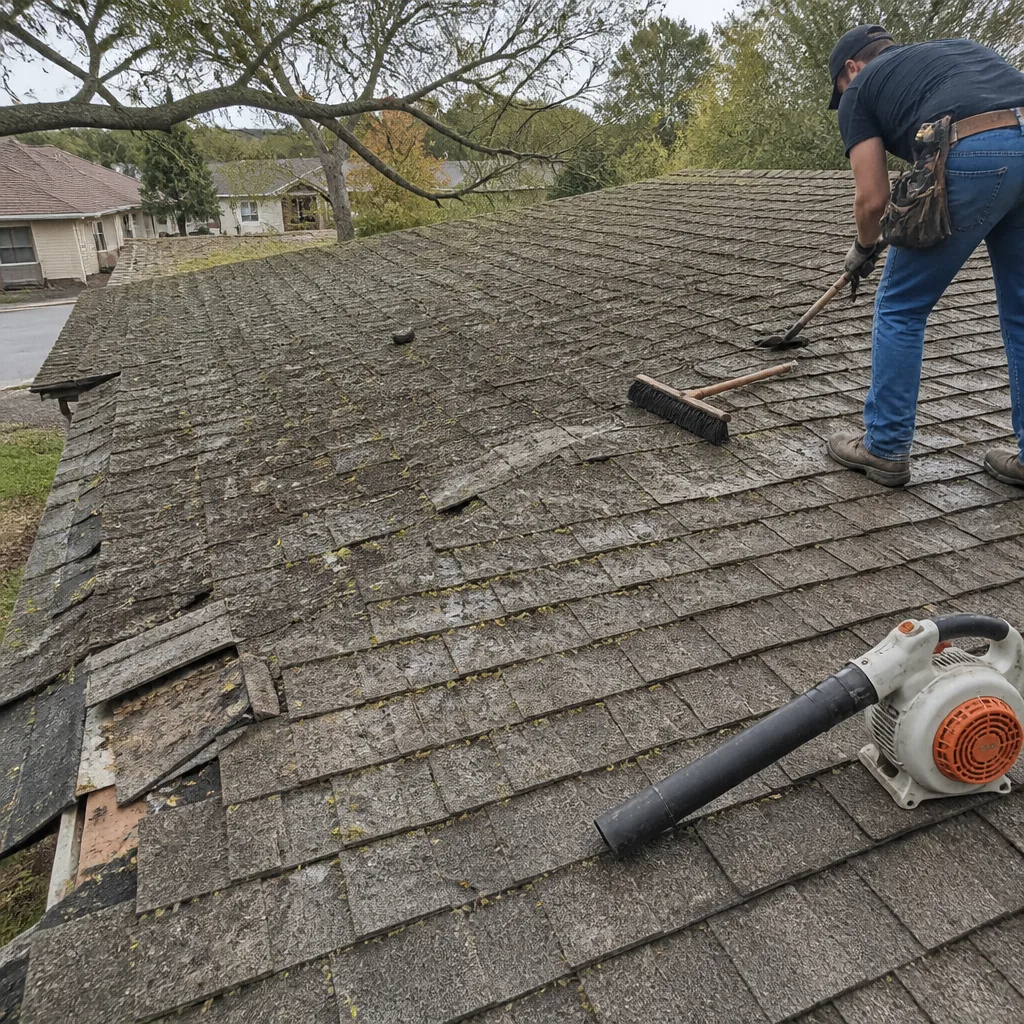 Before
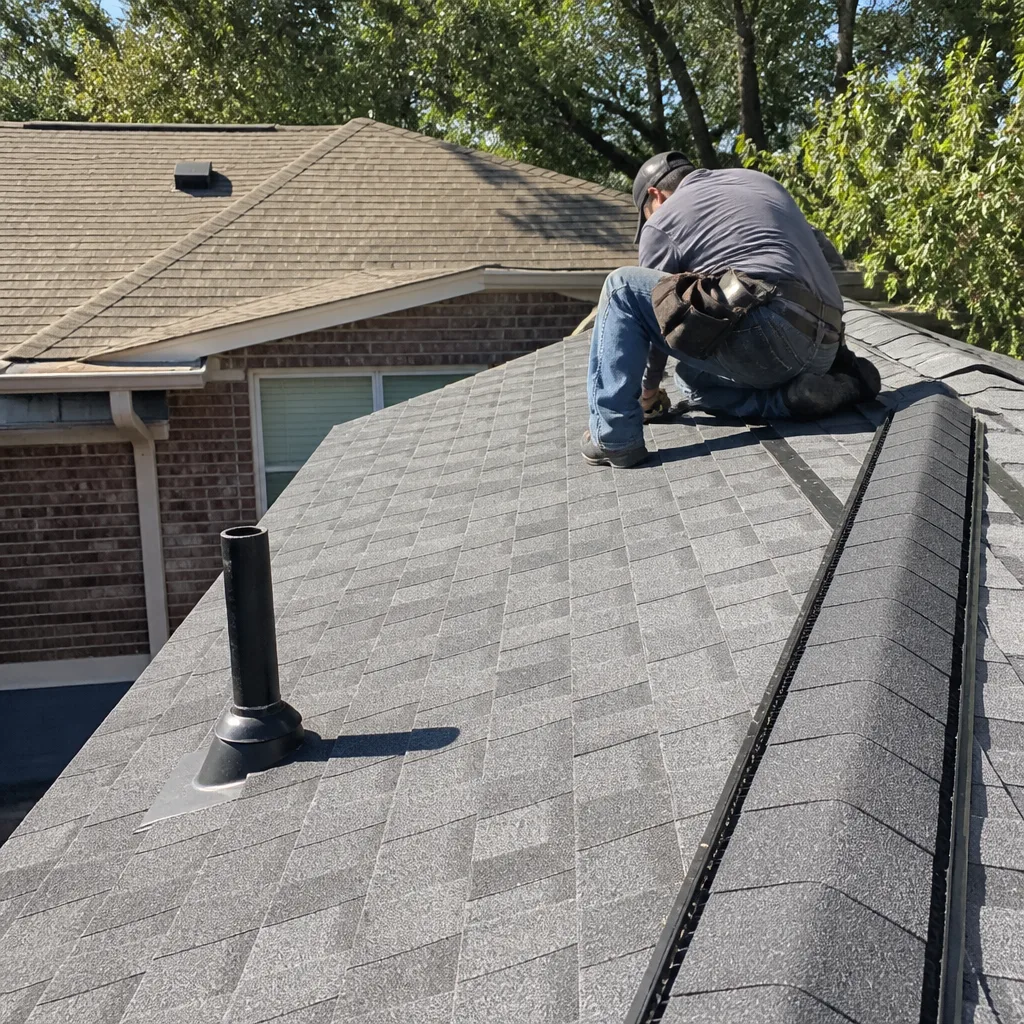 After
After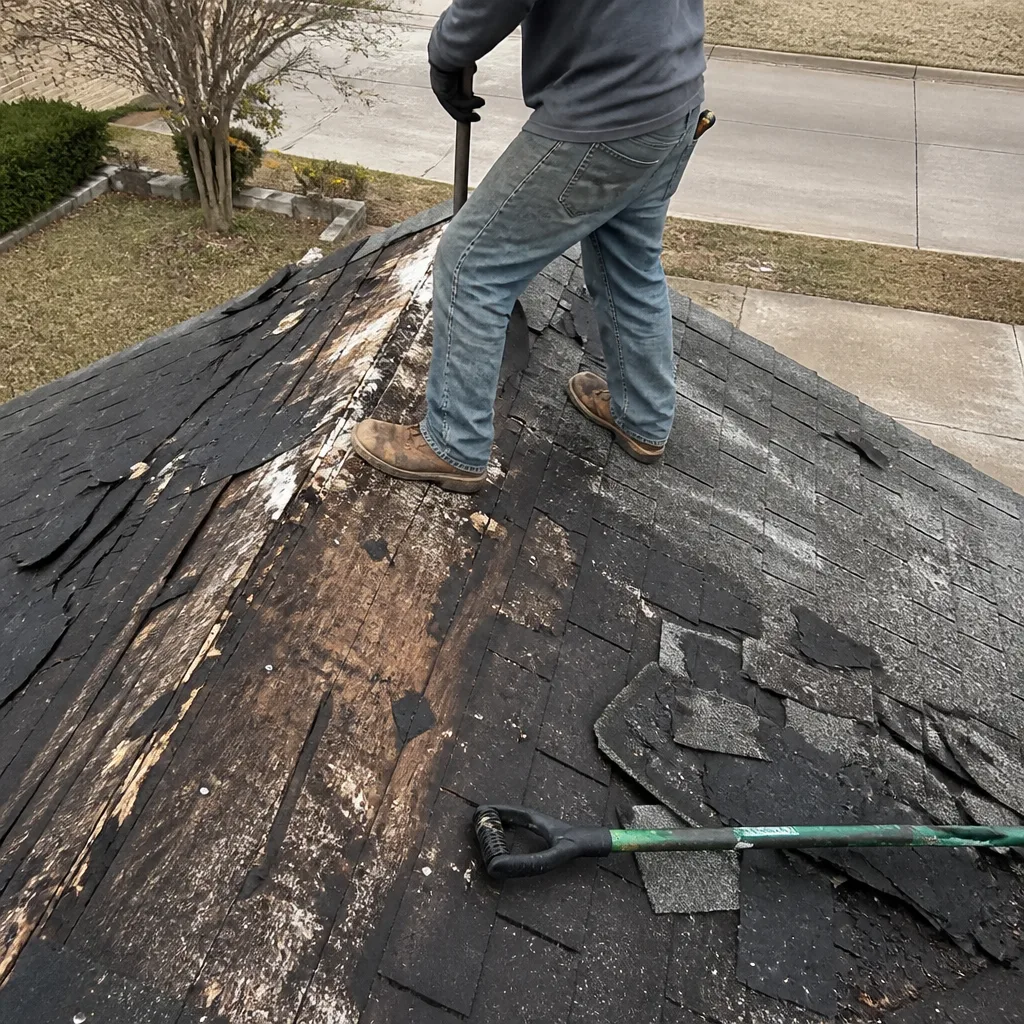 Before
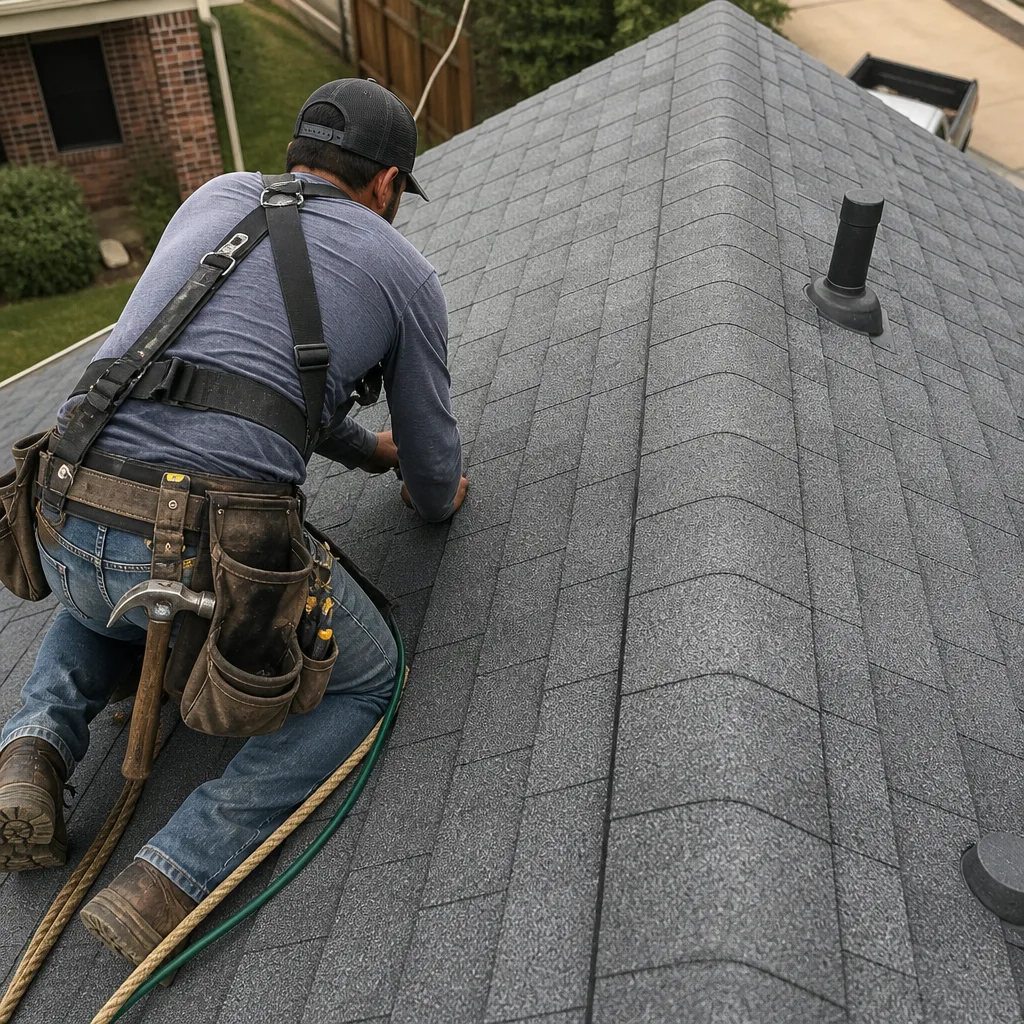 After
AfterReplacement Cost & What’s Included
For a Boral ridge vent replacement in Dallas, expect $8 to $14 per linear foot installed for the vent itself, with the spread driven by roof access, pitch, and whether old vent removal got complicated by failed decking at the ridge. Most single-story homes and two-story homes with a straightforward peak fall in the $450 to $1,100 range all-in. That’s parts, labor, fasteners, sealant, and cleanup. If your Boral roof has multiple ridge lines or a steep pitch that takes longer to work safely, we’ll reflect that in the written quote before any work starts.
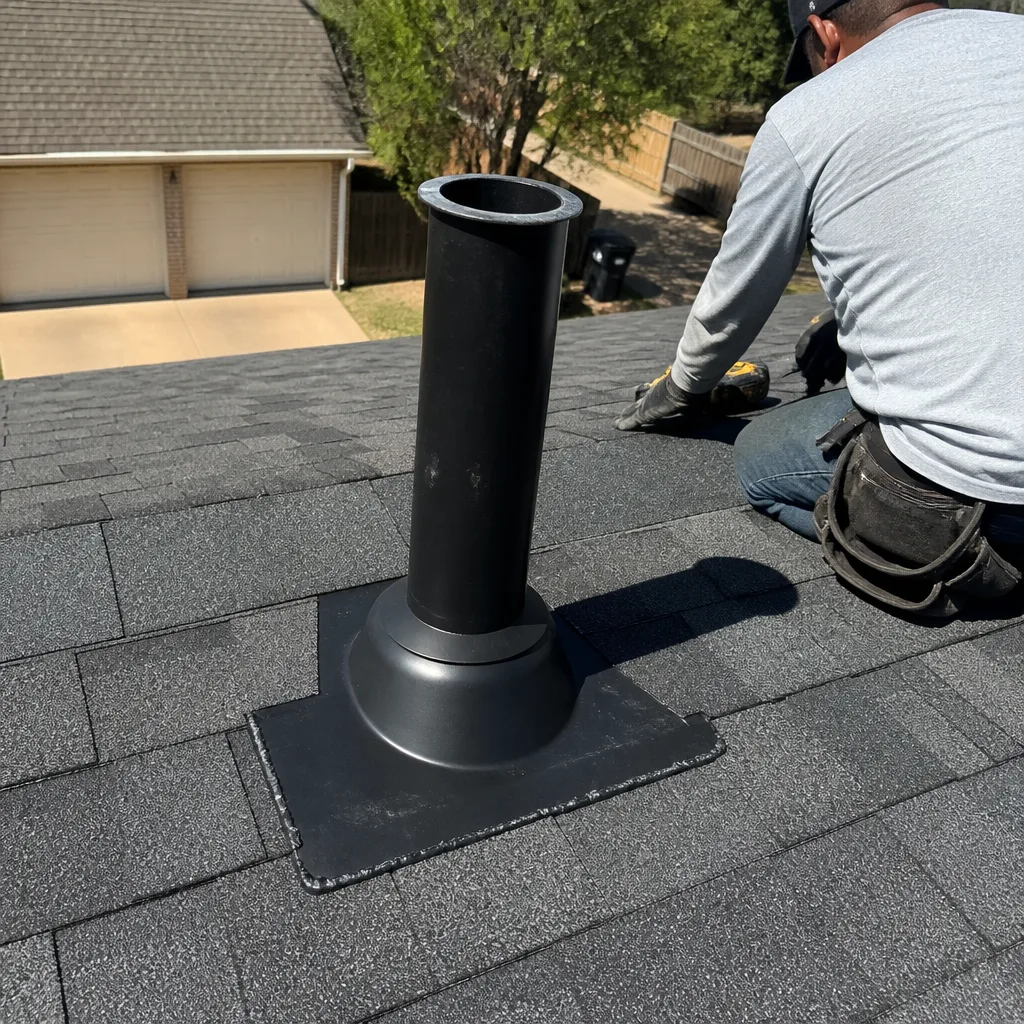
Every replacement includes pulling the old vent, checking the roof deck underneath for rot or delamination, installing the new Boral-compatible vent with proper overlap and end caps, and re-securing shingles or tiles over the new profile. The work carries our written guarantee, and if the repair fails inside the guarantee period, we return and correct it at no charge under our 365-Day Done Right Promise. You’ll have the price in writing before we touch the roof, and that price won’t move once we start.
DIY or Call Us?
An honest split on this one: if you just want to know whether your vent is failing, you can check that from the ground. Look for a wavy ridge line, cracked vent ends, or granule loss at the cap. A pair of binoculars is cheaper than a service call, and it’ll tell you plenty. What you shouldn’t do is climb up there and start pulling shingles or prying vent sections off the deck. Ridge vent replacement means opening the roof’s peak, and on a Boral tile roof in particular, one wrong step cracks a $40 tile and one wrong cut channels rainwater straight into the attic.
This is a job where the failure mode isn’t visible for months, and by the time you see the water stain on your ceiling, the decking underneath has been rotting quietly. Greg Holloway walks every ridge vent job himself before we quote it, because the only way to price this honestly is to see the vent profile, the decking, and the access. If you’d rather not gamble, call us at (903) 499-4275, and we’ll give you a straight number.
FAQs
A properly installed Boral ridge vent lasts 12 to 18 years in North Texas weather before UV exposure and heat cycling take their toll. Boral builds a solid product, but Dallas sun in July is unkind to any plastic component on a roof. If your roof is past year 12 and you’re seeing any of the failure signs above, replacement now beats paying for heat and moisture damage later. Call (903) 499-4275 and we’ll take a look and give you a quote you can hold onto.
Small section repairs work, but only if the damage is isolated to one span of vent and the surrounding material is still rigid, not sunbaked. Once the plastic has gone wavy or brittle, patching one section just moves the failure down the ridge line, and you’ll be back on the ladder within a year. We’ll tell you which camp you’re in after a quick roof walk. If repair makes sense, that’s what we’ll quote; if replacement is the honest answer, that’s what we’ll quote, with the price in writing either way.
Most ridge vent replacements take half a day to a full day from setup to cleanup, depending on roof length and pitch. If we have to replace any decking at the ridge line because moisture got in before you caught it, that adds time and shows up as a separate line item on the quote, not a surprise after the fact. We’ll give you a timeline when we give you the price, and we’ll show up in the window we gave.
We stock Boral-compatible ridge vent material on our trucks and keep both current Boral profiles in our Dallas inventory, so most jobs don’t wait on a parts order. We also stock parts for GAF, Owens Corning, and CertainTeed vent systems, since plenty of Dallas roofs came with those brands. If your Boral roof is older and the original profile is discontinued, we’ll have the current-match part in hand before we remove anything.
Call (903) 499-4275 for a free estimate on Boral ridge vent installation in Dallas. You’ll speak to a live person, get a written price before any work starts, and know exactly who’s on your roof and when they’ll arrive. Price before we touch it. That’s just how a roof conversation ought to start.
Written by Greg Holloway, Owner, Tilehurst Roofing Dallas at Tilehurst Roofing Dallas, serving Dallas and nearby areas.