
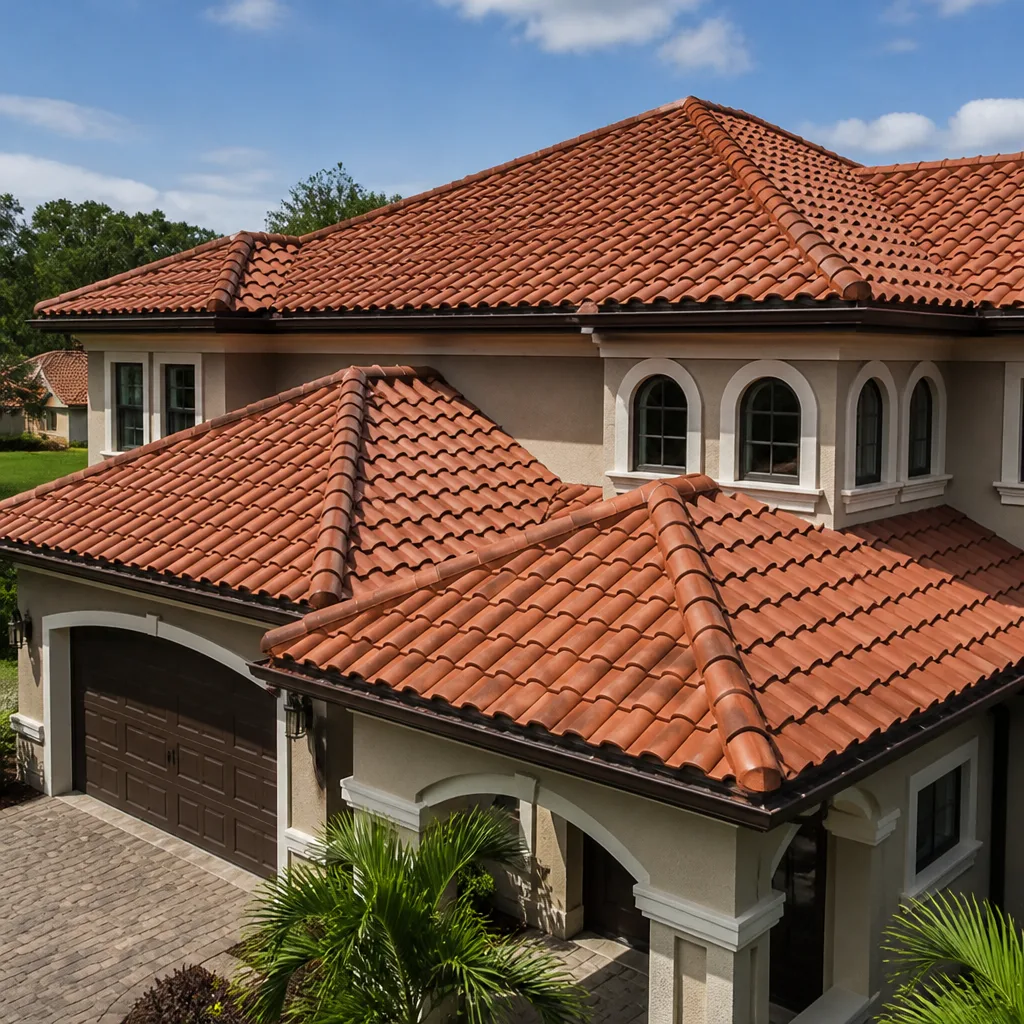
 Tile roofing
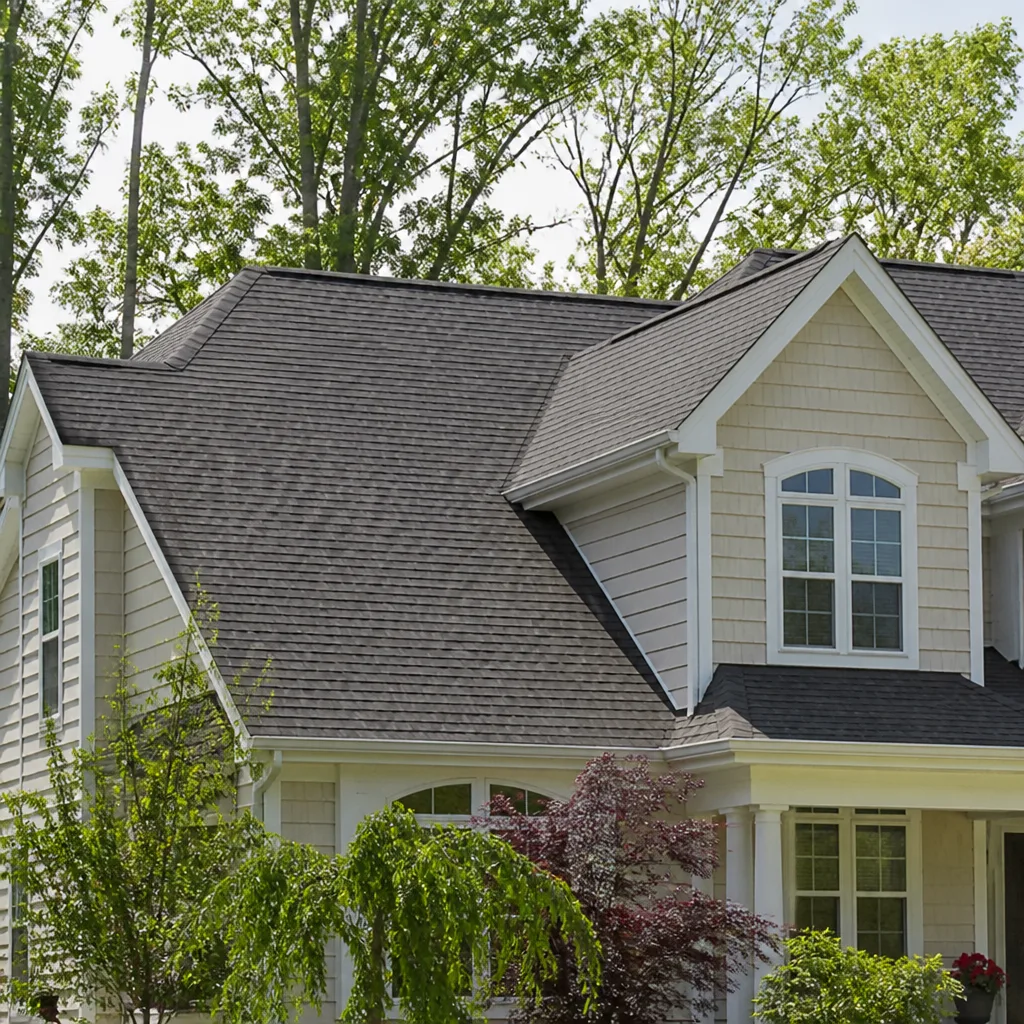 Architectural shingles
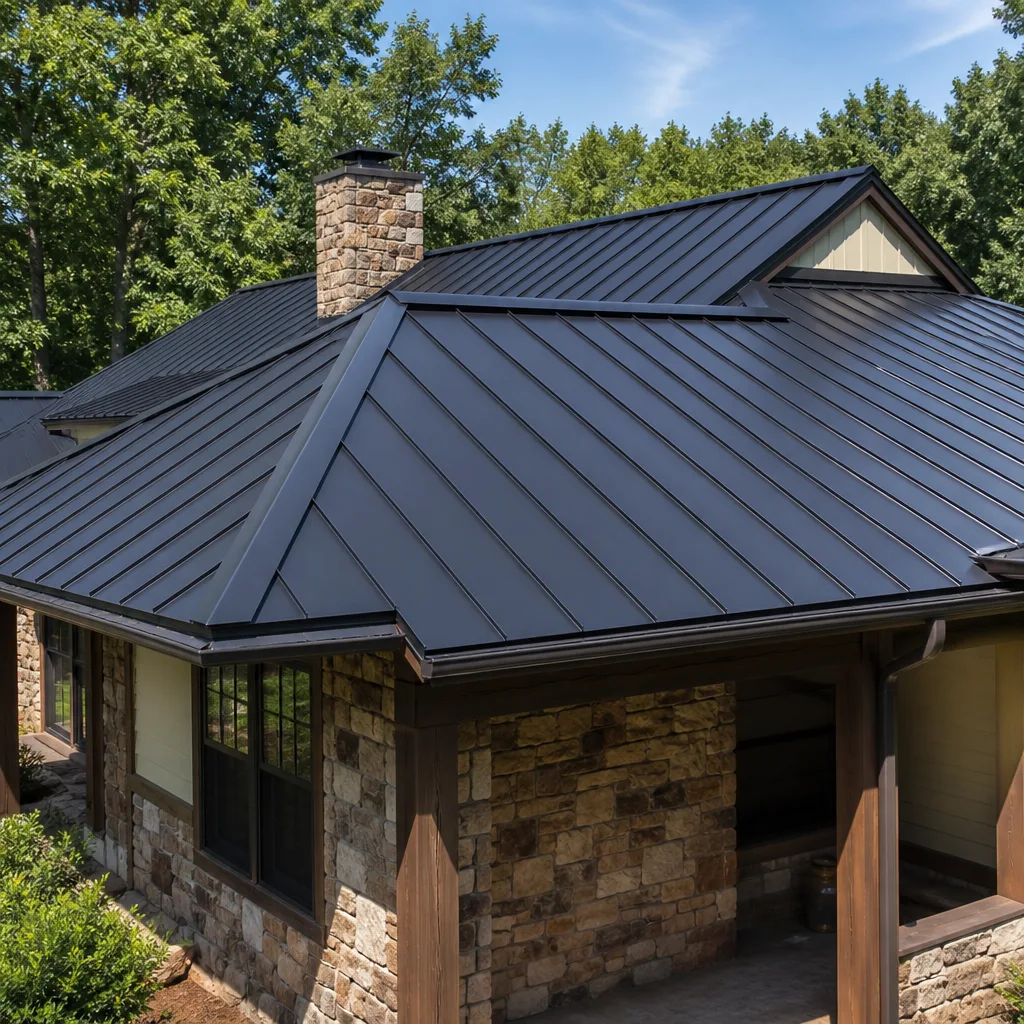 Metal roofing
 GAF
GAF Owens Corning
 Flat & low-slope
Free roof inspection with deck photos before we talk money - GAF and Owens Corning certified installation
Boral Flashing Replacement: The Dallas Owner’s Guide
Most Boral flashing replacement work in Dallas runs $350 – $900 installed, depending on whether we’re replacing a single wall flashing or re-flashing an entire roof-to-wall transition. We keep standard Boral-compatible flashing profiles on our trucks, which means most jobs are done in a single visit. The way owners usually find out they need this is either a water stain creeping along a ceiling edge after a hard Texas storm, or a roofer pointing at corroded metal during an inspection and saying the word “flashing” in that tone that means it’s time.
Boral tile and stone-coated steel roofs are built to last decades. The flashing around them often isn’t. In Dallas, our freeze-thaw swings, hail seasons, and the relentless summer UV eat flashing metal faster than the roof surface itself. When that metal fails, water gets behind the tile and into places it was never meant to go.
Which Boral Models This Applies To
This guide covers flashing replacement for Boral’s concrete and clay tile lines – including the CedarLite, Villa, Flat, and Shake profiles – plus Boral Steel stone-coated systems where wall and step flashing meet the tile. If you’re not sure which line you have, look for the Boral stamp on the underside of a tile, or check the original roofing paperwork. Most Boral tile profiles use a standard 6-inch horizontal lap on step flashing, while Boral Steel panels typically integrate with 4-inch sidewall flashing. That measurement matters more than the name on the box.
Here’s the honest truth about parts: Boral doesn’t manufacture its own flashing. The company makes roofing tile and panels. Flashing is produced by metal fabricators to Boral-compatible specifications. That means you’re usually choosing between OEM-branded flashing (which you’ll pay a premium for and wait longer to get) or quality aftermarket flashing bent from the same gauge metal – 26-gauge galvanized or 24-gauge where wall transitions meet heavy weather. We stock both, and I’ll tell you which one your roof actually needs after I walk it. Tilehurst Roofing Dallas is an independent service provider, not a Boral dealer or affiliate. Our recommendation is based on fit and longevity, not a supply agreement.
Styles & brands we work with
Signs Your Boral Flashing Replacement Is Failing
- Water staining on ceilings or walls near roof edges. This is the most common first sign. Flashing channels water away from the roof-to-wall joint. When it corrodes through or pulls loose, water follows the framing down inside the wall. By the time you see a ceiling stain in Dallas, the flashing has likely been failing for months.
- Rust streaks or pinholes visible on exposed flashing metal. Step flashing tucked behind tile is partially visible at the roofline. If you can see rust bloom or holes from the ground, the metal has lost its protective galvanizing. North Texas humidity and spring hail accelerate this. Once you see pinholes, replacement is the fix, not patching.
- Lifted or curled flashing edges after wind events. Dallas gets squall-line winds every spring. Flashing that’s been nailed incorrectly or has worked loose over years will lift at the edges. You might hear it flapping during storms or see daylight between the flashing and the wall sheathing.
- Granular debris or shingle grit collecting in valleys near flashing runs. This means water is moving sideways instead of down. When flashing is intact, water flows clean to the gutter. When it fails, water carries sediment and deposits it where it pools. Grit in the valley is a quiet warning sign.
- Visible gaps between the flashing and the roof tile surface. Boral tile settles over time, especially after the decking expands and contracts through freeze-thaw cycles. If the flashing was installed tight to the original tile line and the tile shifts, a gap opens. Water finds that gap fast. This is common on Dallas homes built 15 – 20 years ago.
See the difference
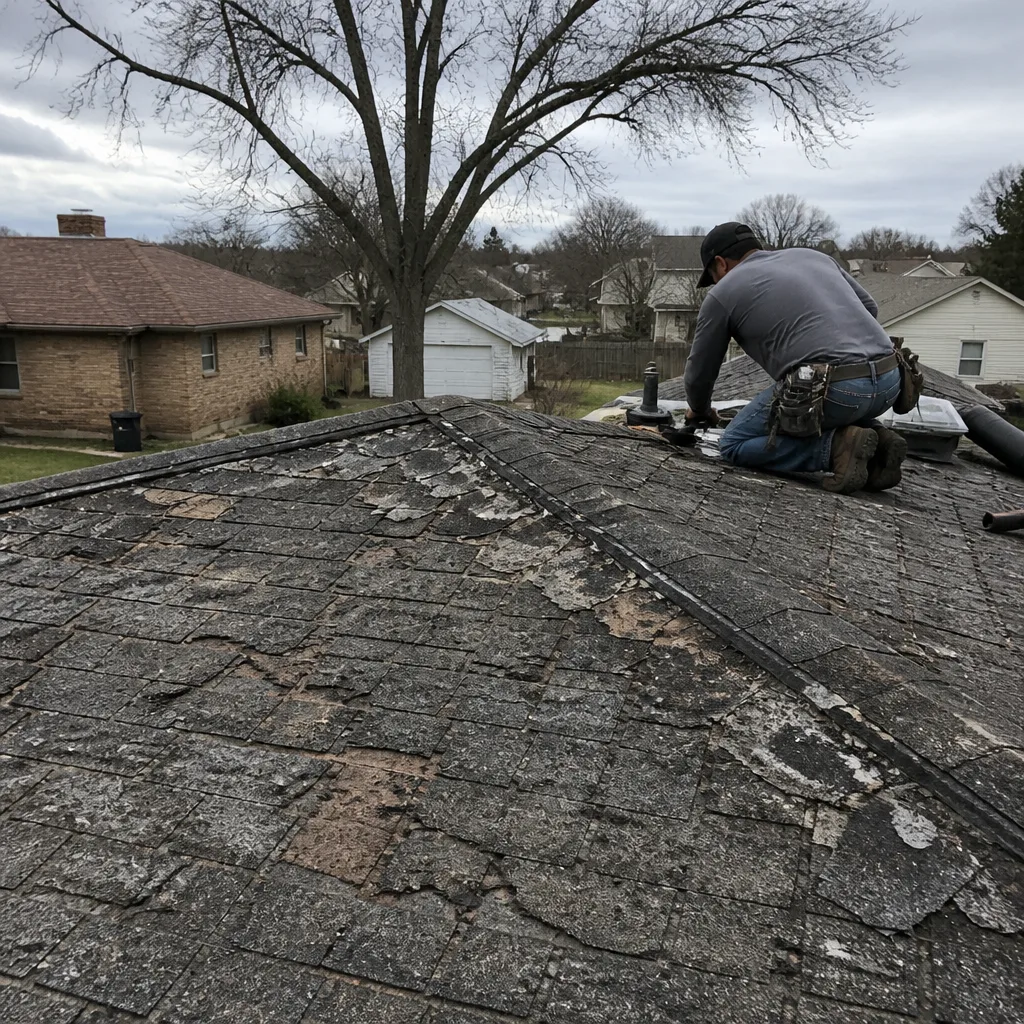 Before
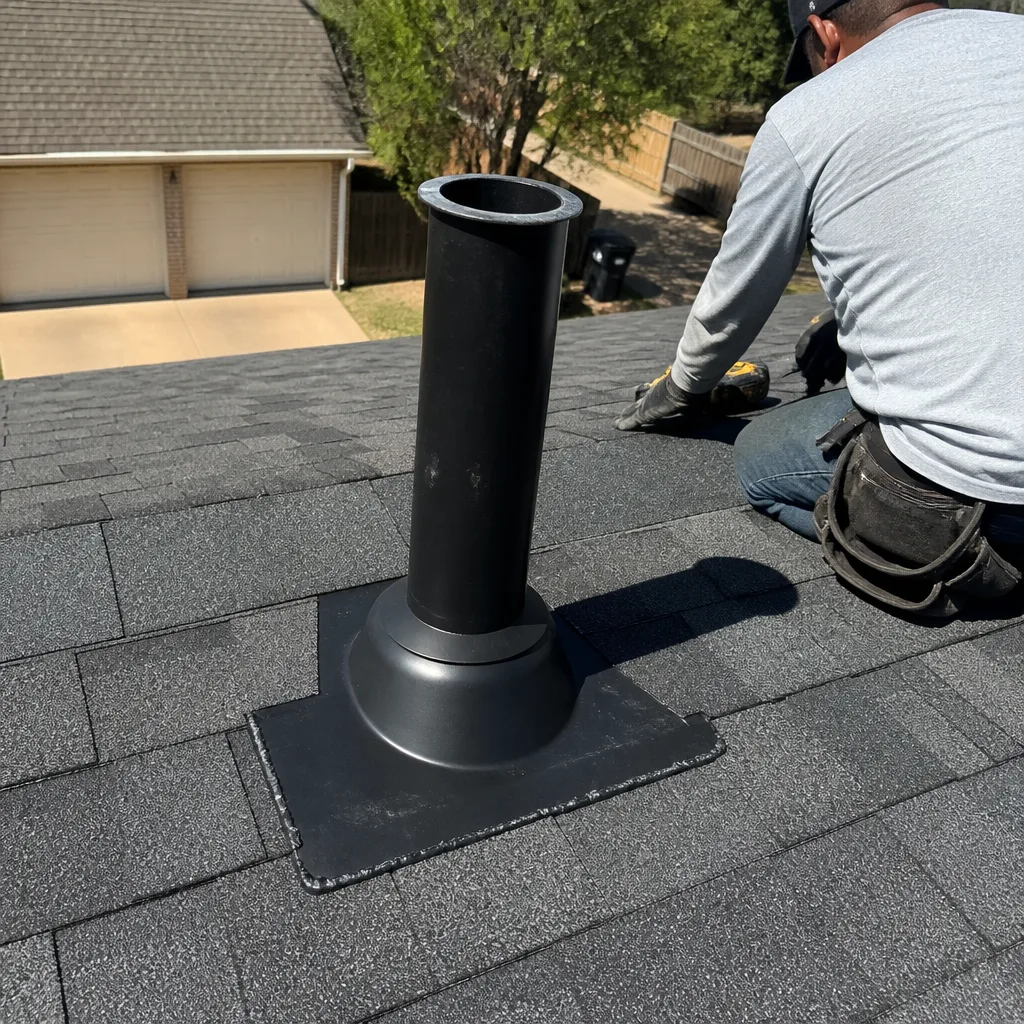 After
After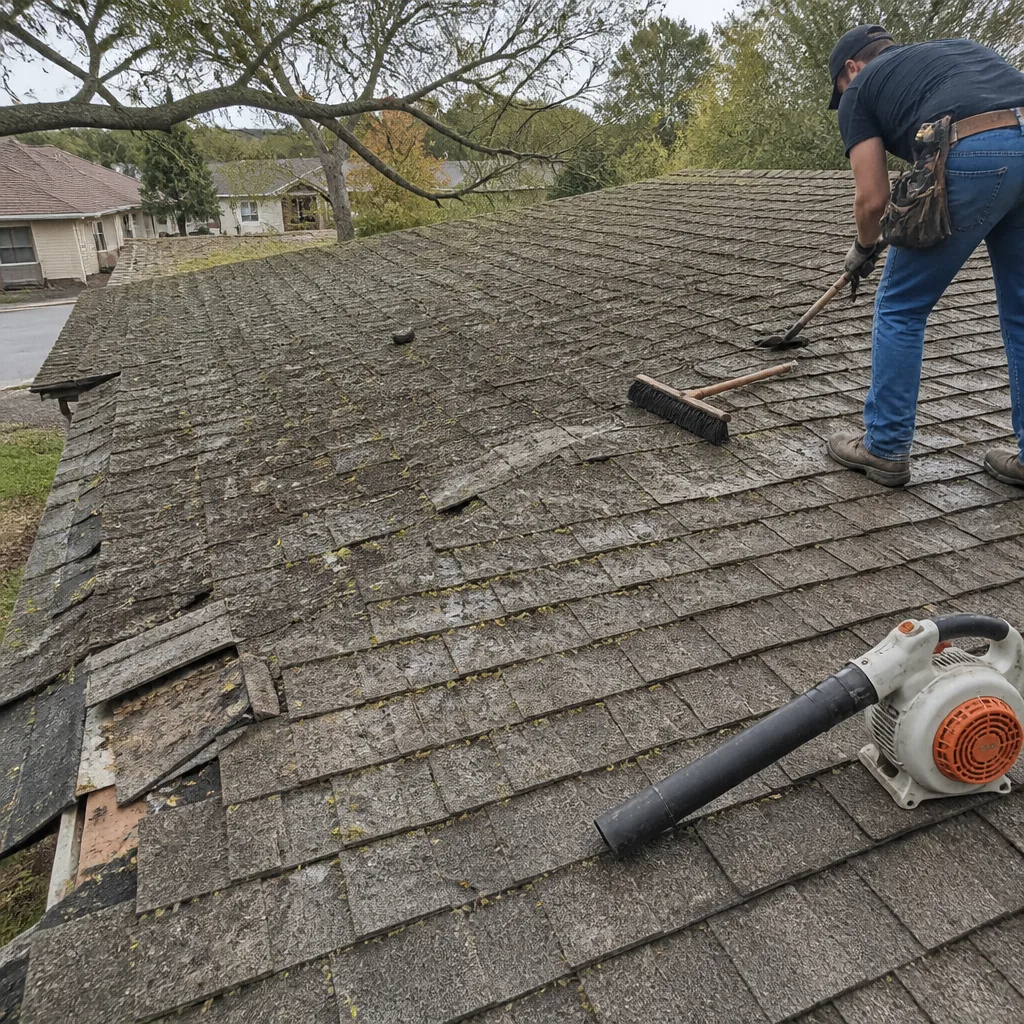 Before
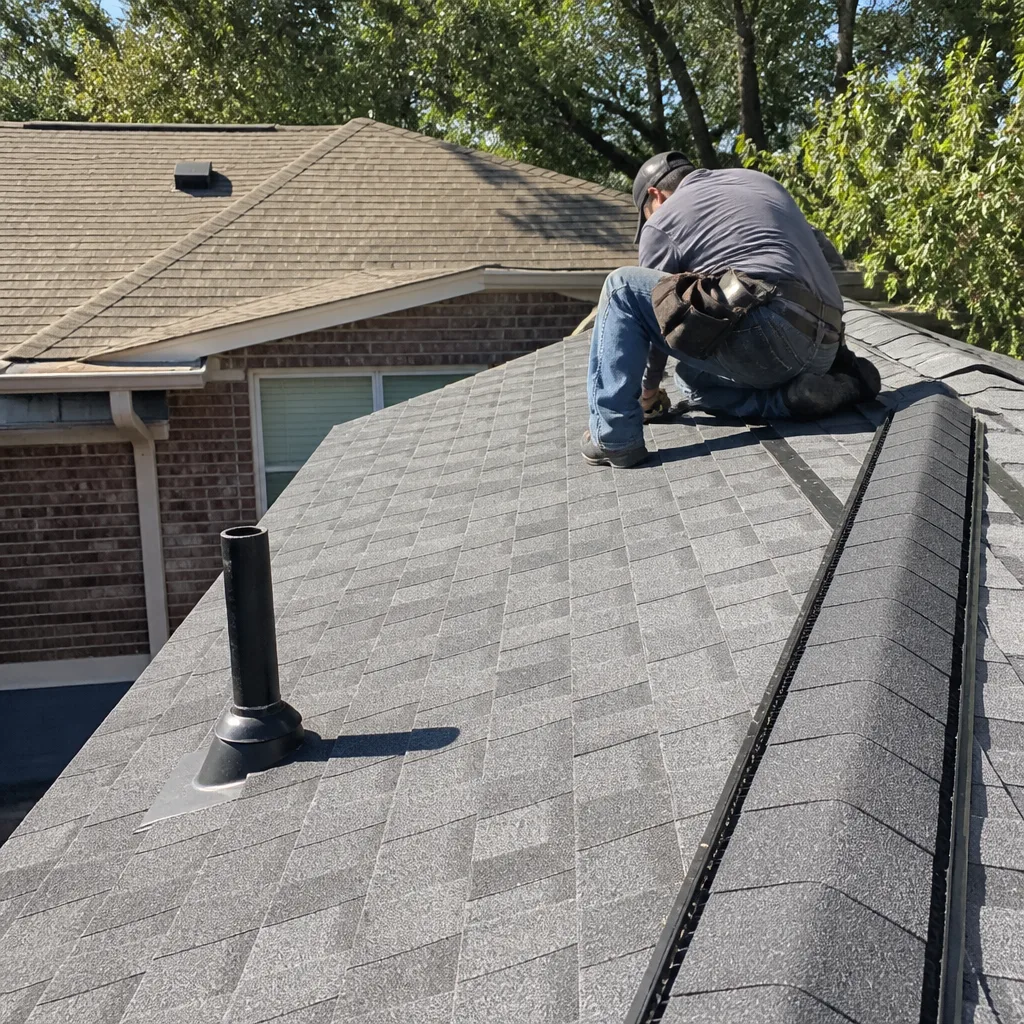 After
After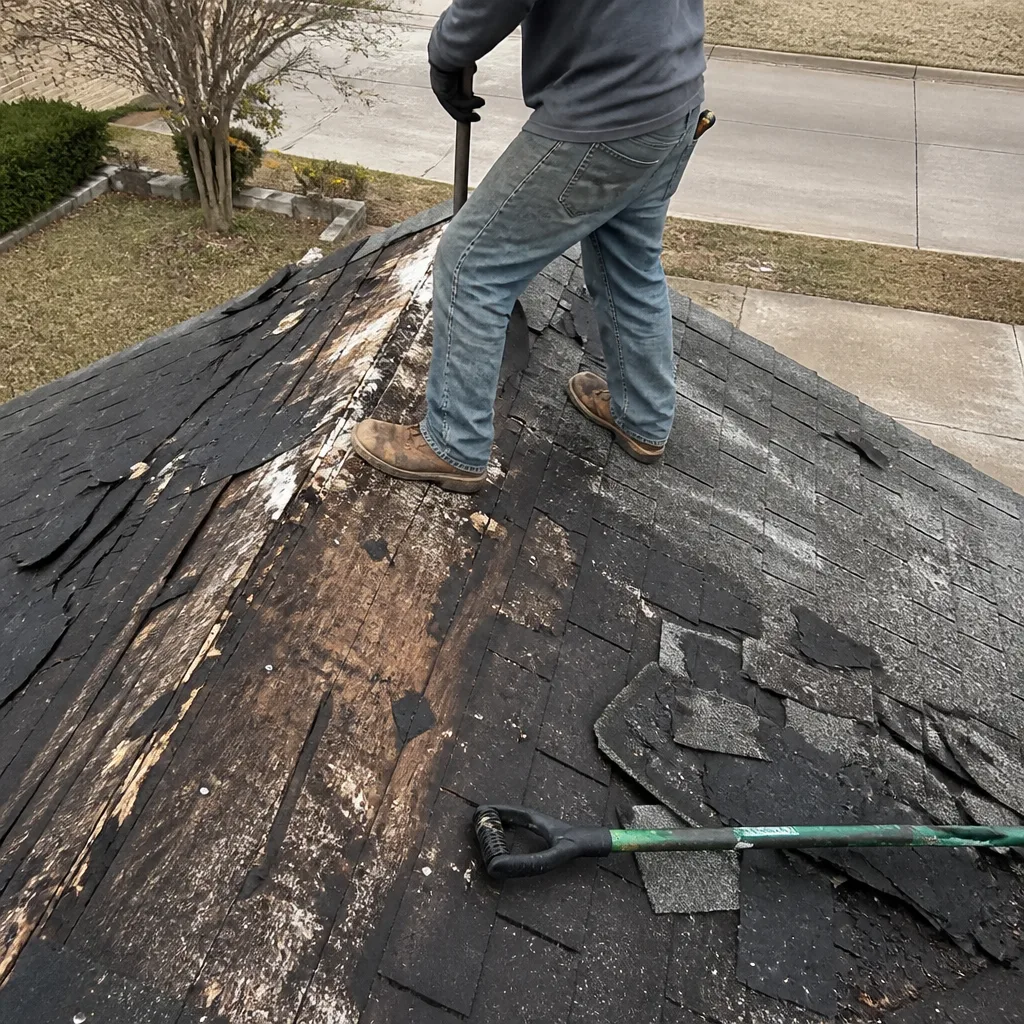 Before
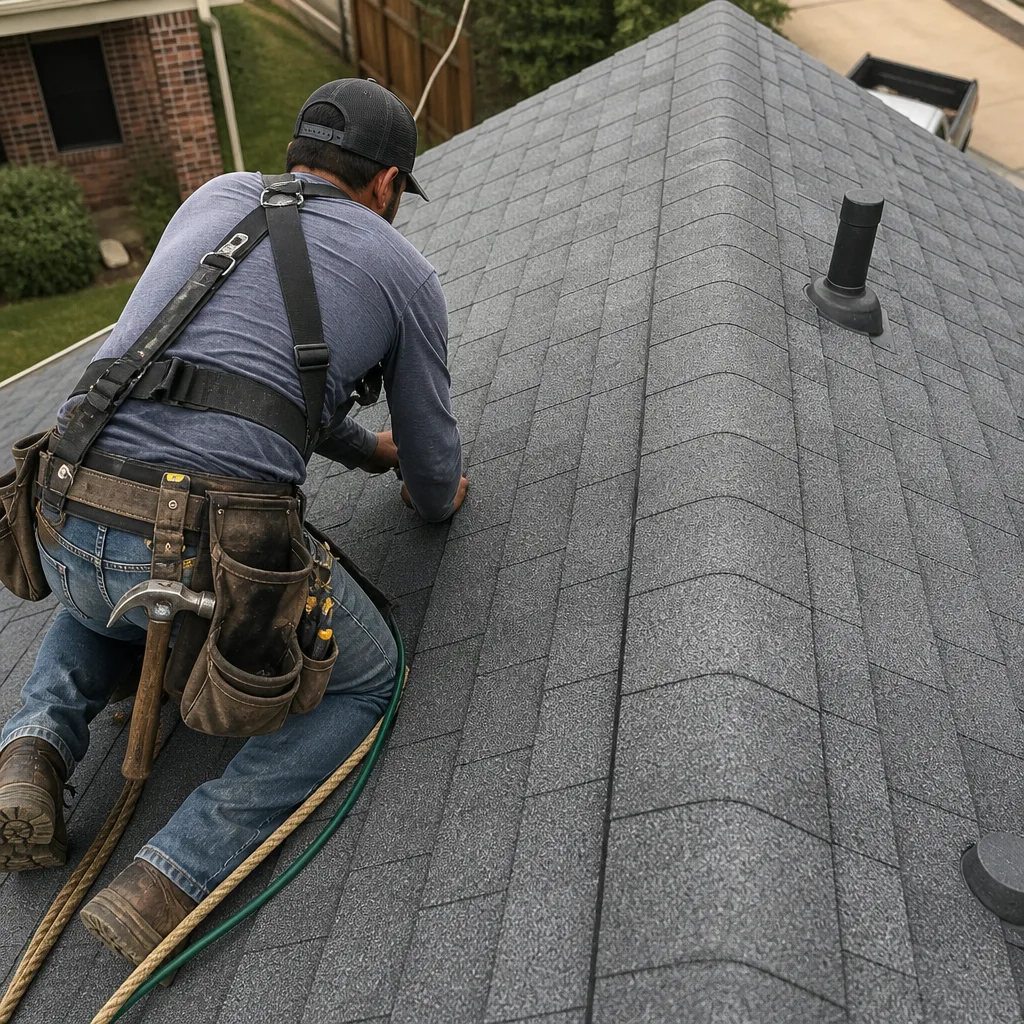 After
AfterReplacement Cost & What’s Included
In Dallas, plan on these ranges for Boral-compatible flashing replacement:
- Single wall or chimney flashing section: $350 – $550
- Valley flashing replacement (per valley): $400 – $700
- Full roof-to-wall re-flashing on a typical single-story home: $650 – $900
- Step flashing replacement with tile reset (per 10 linear feet): $250 – $400
The spread depends on access (two-story roofs cost more in labor), how much tile has to be lifted and reset, and whether we find rotted decking underneath once the old flashing comes off. If we find decking damage, we’ll show you a photo and quote the repair before touching it. That’s the Kingswell Way: price before we touch it. Every flashing replacement includes the new metal, all fasteners and sealant, tile reset where needed, and cleanup. The work is covered by our written guarantee, delivered before the crew leaves your driveway. If it fails inside a year, we come back under the 365-Day Done Right Promise at no charge.
DIY or Call Us?
There’s a safe half of this job and a dangerous half. The safe half: you can look at your flashing from the ground with binoculars, note any rust or lifting, and take photos. That documentation helps us quote faster. The dangerous half: roof-to-wall flashing replacement means lifting Boral tile, working at the roof edge, and walking tile that’s slick with mildew or hail damage. Boral tile is brittle when old. One wrong step and you’ve cracked three tiles and you’re on the ground with a broken ankle. This isn’t a job for a homeowner on a Saturday. High edge work and tile lifting is how we earn the labor portion of that quote.
If you’ve spotted flashing damage and want to know what you’re looking at, call us at (903) 499-4275. We’ll walk you through what to photograph, and if it makes sense, we’ll come out and look. You’ll have a written price before a single tile gets lifted.
FAQs
Factory-galvanized flashing on a Boral roof in Dallas typically lasts 15 – 25 years, but North Texas hail and humidity can cut that to 12 years on south-facing wall runs exposed to full sun. We see corrosion failure earliest where flashing meets stucco or brick on the west and south exposures.
In most cases, no. Once flashing corrodes through or pulls loose from the wall, patching with sealant buys you months at best. Sealant fails under Dallas UV within one to two summers. Replacement is the permanent fix, and on Boral roofs it’s a straightforward job for a crew that lifts tile properly. Call (903) 499-4275 and we’ll tell you honestly which situation you have.
A single wall or chimney flashing section is usually a half-day job. Full re-flashing around a typical ranch-style Dallas home takes one full day, including tile reset and cleanup. We’ll give you the window before we start and we hit it.
We carry standard Boral-compatible profiles in 26-gauge galvanized and 24-gauge on our trucks, which covers the vast majority of Dallas homes. Unusual profiles or custom bends go to our local metal shop and come back within one to two business days. You’re never waiting on a Boral-branded box to ship from out of state.
If your Boral roof is showing flashing rust, lifting, or water staining, don’t wait for the next storm to tell you more. Call (903) 499-4275 for a free estimate. Price before we touch it. That’s just how a roof conversation ought to start.
Written by Greg Holloway, Owner, Tilehurst Roofing Dallas at Tilehurst Roofing Dallas, serving Dallas and nearby areas.