
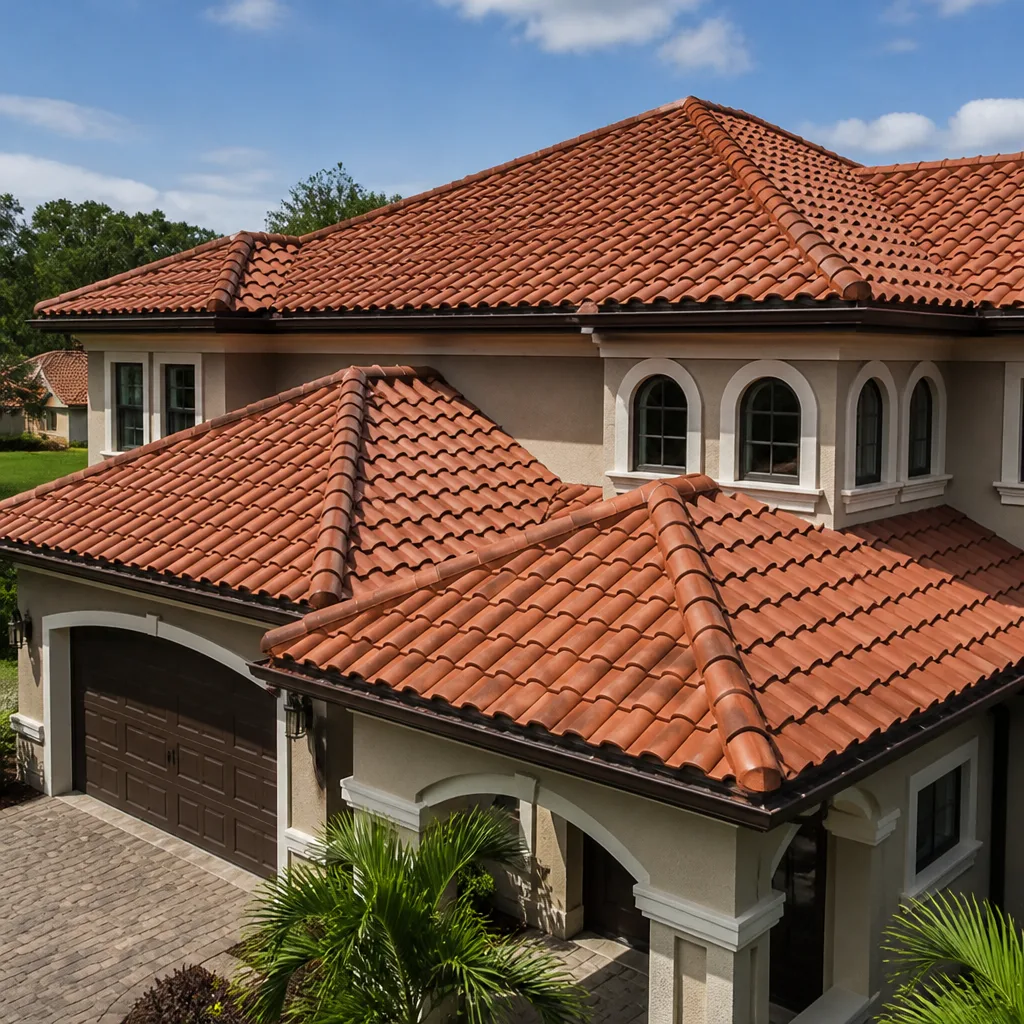
 Tile roofing
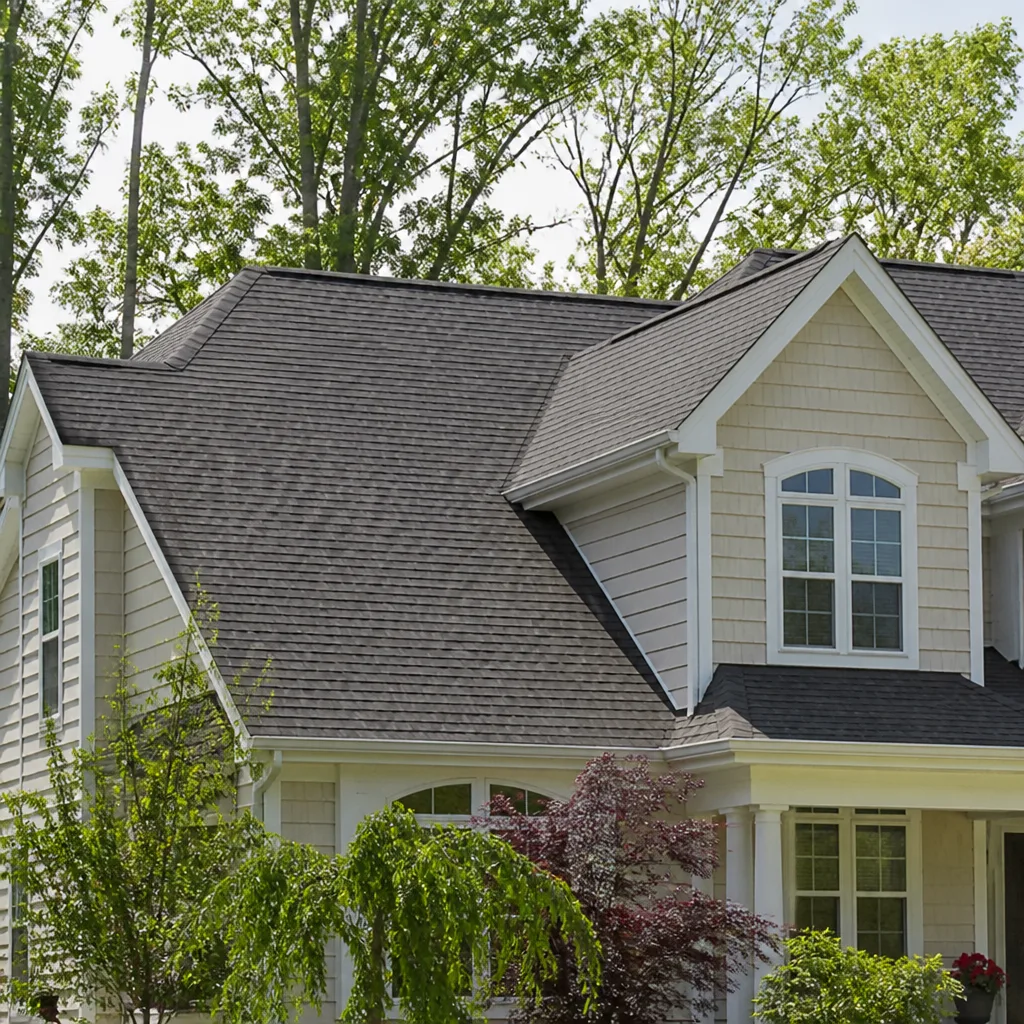 Architectural shingles
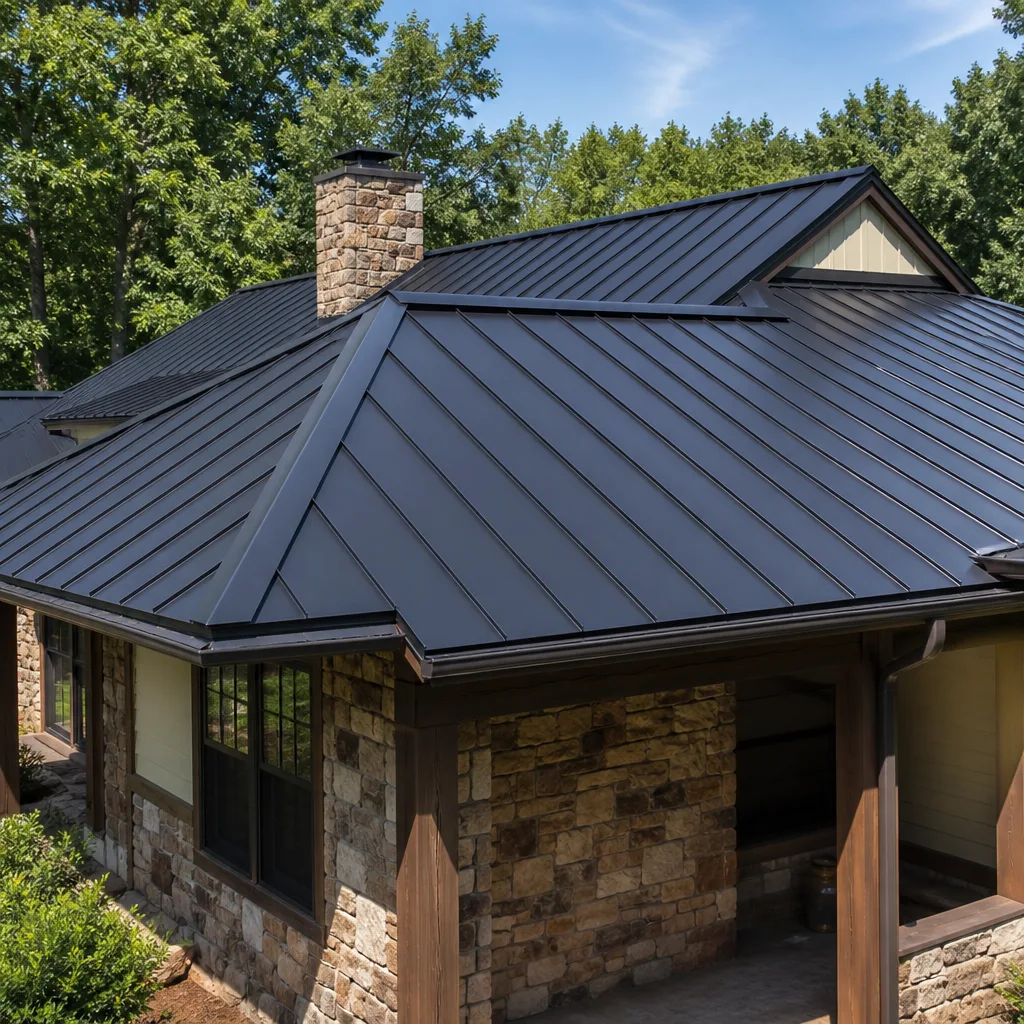 Metal roofing
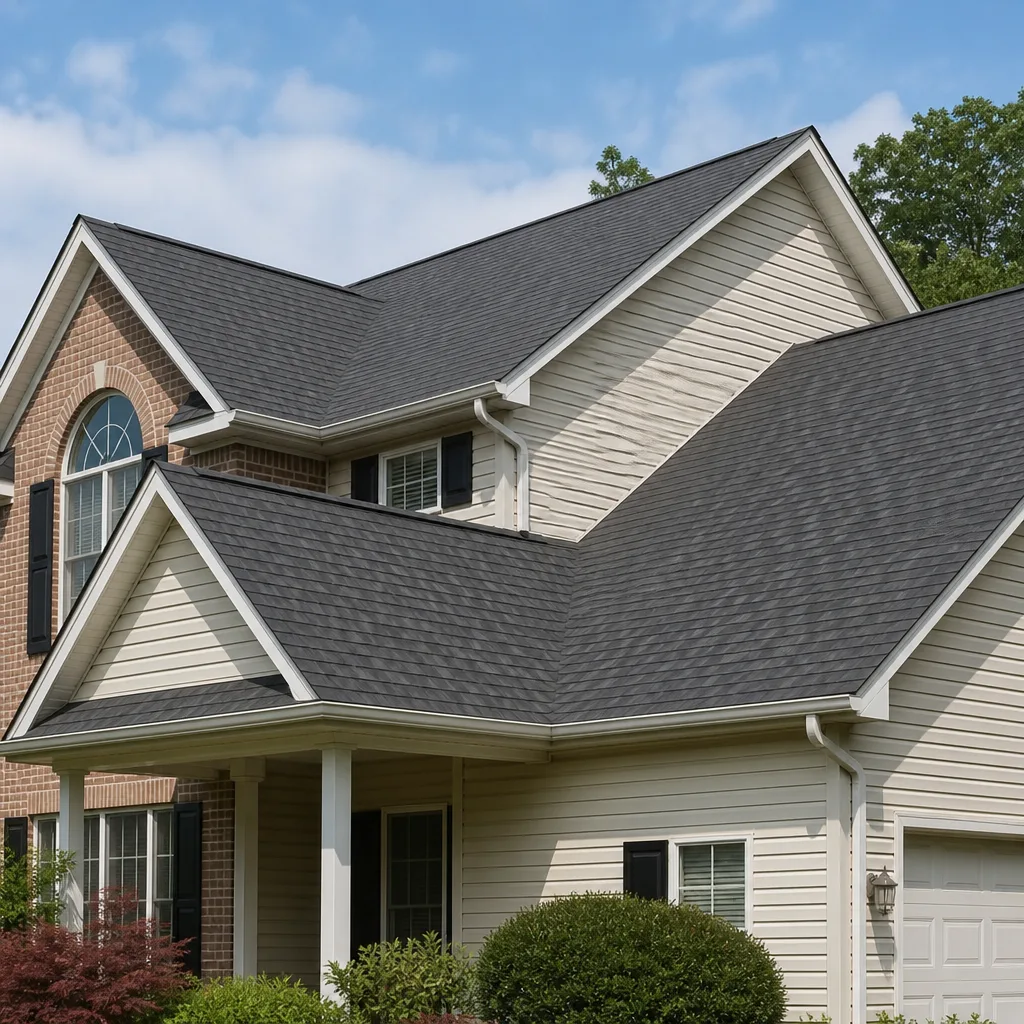 GAF
GAF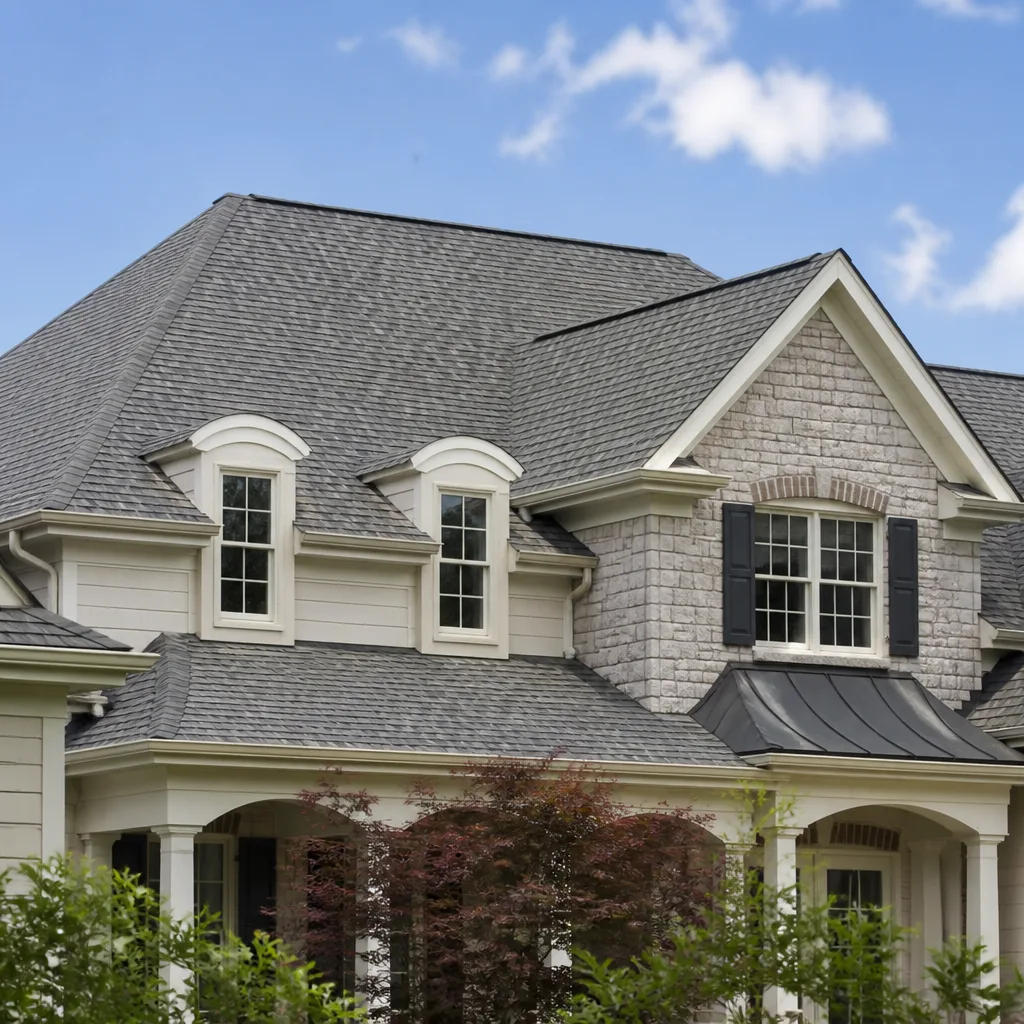 Owens Corning
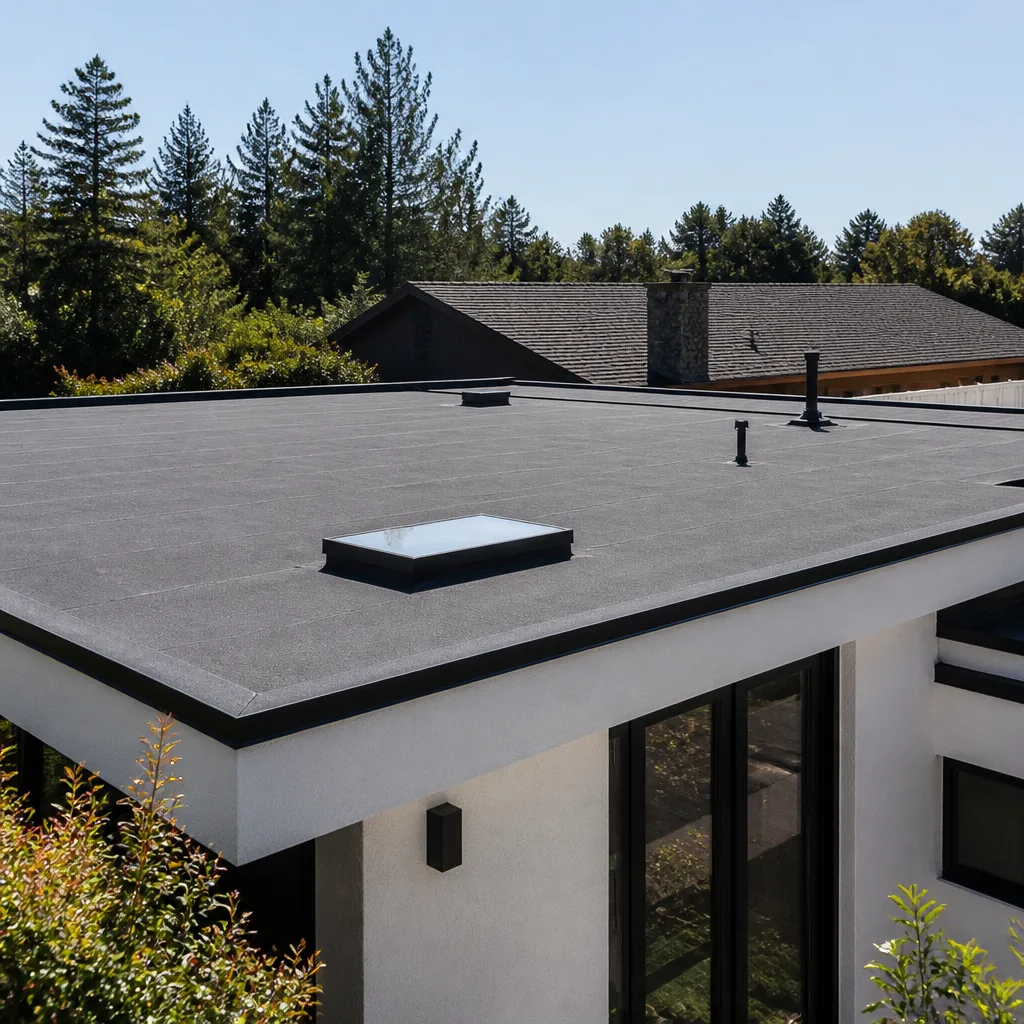 Flat & low-slope
Free roof inspection with deck photos before we talk money - GAF and Owens Corning certified installation
CertainTeed Ridge Vent Installation: The Dallas Owner’s Guide
CertainTeed ridge vent installation in Dallas typically runs $850 to $1,800 installed, depending on roof length, access, and whether old vent material needs pulling. We stock CertainTeed-compatible ridge vent on our trucks for most single-family homes, so a swap is usually one trip, not three. Most Dallas homeowners discover a problem the hard way: a hot spot appears in the attic, a shingle lifts at the peak, or a storm rips the plastic vent cap loose and now rain gets where it shouldn’t.
You’re on this page because you have a CertainTeed roof and a ridge vent that isn’t doing its job anymore. Maybe the baffle material is brittle and cracking after ten North Texas summers. Maybe a hailstorm last spring punched through the cap. Maybe a raccoon decided your ridge line was a pry bar. Whatever the cause, this guide covers what fits, what it costs in Dallas specifically, and when it’s safe to look versus when you should call a roofer who walks the ridge before quoting a number. We’re Tilehurst Roofing Dallas, part of the Kingswell family of roofing companies, and we’re independent of CertainTeed. We install their products because they hold up here, but we don’t sell on their behalf.
Key Takeaways
- Installed cost in Dallas: $850 – $1,800, with most runs landing between $1,100 and $1,400
- What typically fails first: the plastic vent channel or filter fabric, not the shingle cap
- DIY risk is low to moderate here, but ladder work on a 6/12 pitch in July heat isn’t for everyone
- We stock CertainTeed-compatible material on the truck for the most common ridge lengths
- Every repair has a written price before we start and a written guarantee before we leave
Which CertainTeed Models This Applies To
CertainTeed makes two primary ridge vent lines you’ll find on Dallas roofs: the original ShingleVent II and the newer ShingleVent II UHD. The UHD version has a higher net free area per linear foot (about 18 square inches per foot, versus around 14 for the earlier version), which matters if you’ve since added a bigger AC system or finished the attic. Both use a lower-profile baffle design under the cap shingles, and both are compatible with standard asphalt shingle caps from CertainTeed, GAF, Owens Corning, or any other major brand. The gotcha: you cannot usually splice one brand’s vent channel under cap shingles trimmed for a different brand’s profile and expect anything but wind rattle and water intrusion.
The fastest way to identify what you have is to peek at the vent channel from inside the attic if you can see the ridge line, or check the outer edge where the baffle material shows. CertainTeed stamps the model name into the plastic channel on most runs. If you can’t find it, measure the width of the opening along the peak slot. A 4-foot section’s coverage and the depth of the filter material will tell us exactly what belongs up there. For this part specifically, we recommend OEM CertainTeed material rather than a universal aftermarket copy. The aftermarket stuff is cheaper by a few dollars per 4-foot stick, but the filter fabric sun-rots faster in North Texas UV exposure and the plastic gets brittle in three years. That’s not a value. It’s a second roof trip.
Styles & brands we work with
Signs Your CertainTeed Ridge Vent Installation Is Failing
- Attic temperature climbing in summer despite good insulation. A blocked or collapsed ridge vent means heat has nowhere to escape. Dallas attics routinely hit 140°F with a working vent; add 20 degrees when airflow stalls, and your AC unit works double time.
- Daylight visibly broken through the vent channel. If the filter fabric has disintegrated or blown open, you’ll see bright pinpoints of sky when standing in the attic at midday. That’s more than airflow. That’s an open door for rain-driven moisture.
- Shingle caps at the peak lifting, cracking, or gone entirely. The vent channel relies on cap shingles for cover. When those curl after our freeze-thaw cycles, the plastic baffle beneath is exposed to direct UV and hail impact.
- Grit and tiny asphalt granules collecting in the attic near the peak. This tells you the shingle caps are shedding surface material, which happens after severe hailstorms that also crack the plastic vent channel underneath.
- Damp insulation or water staining along the highest ceiling line. Ridge vents handle rain poorly when the filter fabric clogs with dust and pollen. Water gets in through micro-gaps and wicks along the peak framing. In Dallas, our spring storm season punishes this heavily.
Replacement Cost & What’s Included
Here’s the honest range for Dallas. For a standard single-story ranch with roughly 40 to 50 linear feet of ridge line, expect to pay $850 to $1,400. A two-story or steep-pitch roof with longer ridge runs lands closer to $1,400 to $1,800. The spread is driven by three things: how much old cap shingle has to be cut back and re-secured, whether the decking boards at the peak edge have water damage from the failed vent, and how much ladder staging we need for safe access.
| What’s Included | Typical Cost Range (Dallas) |
|---|---|
| CertainTeed-compatible ridge vent material (OEM channel + filter) | $180 – $350 |
| Labor for removal and installation | $400 – $800 |
| Cap shingles to match existing roof (standard colors) | $150 – $350 |
| Decking repair at peak (if needed, per 4×8 section) | $75 – $120 each |
Written line-item pricing before any work begins is how every Tilehurst Roofing Dallas job starts. Greg Holloway walks the roof himself, points to the exact sections that need work, and hands you a number on paper before a single tool comes off the truck. That price does not change unless you ask us to do more. Every ridge vent replacement also carries our 365-Day Done Right Promise: if the installation fails within a year for a reason related to our work, we come back and correct it at no charge. If the part itself is defective from the manufacturer, that’s covered under CertainTeed’s own warranty, and we’ll handle the claim paperwork for you.
See the difference
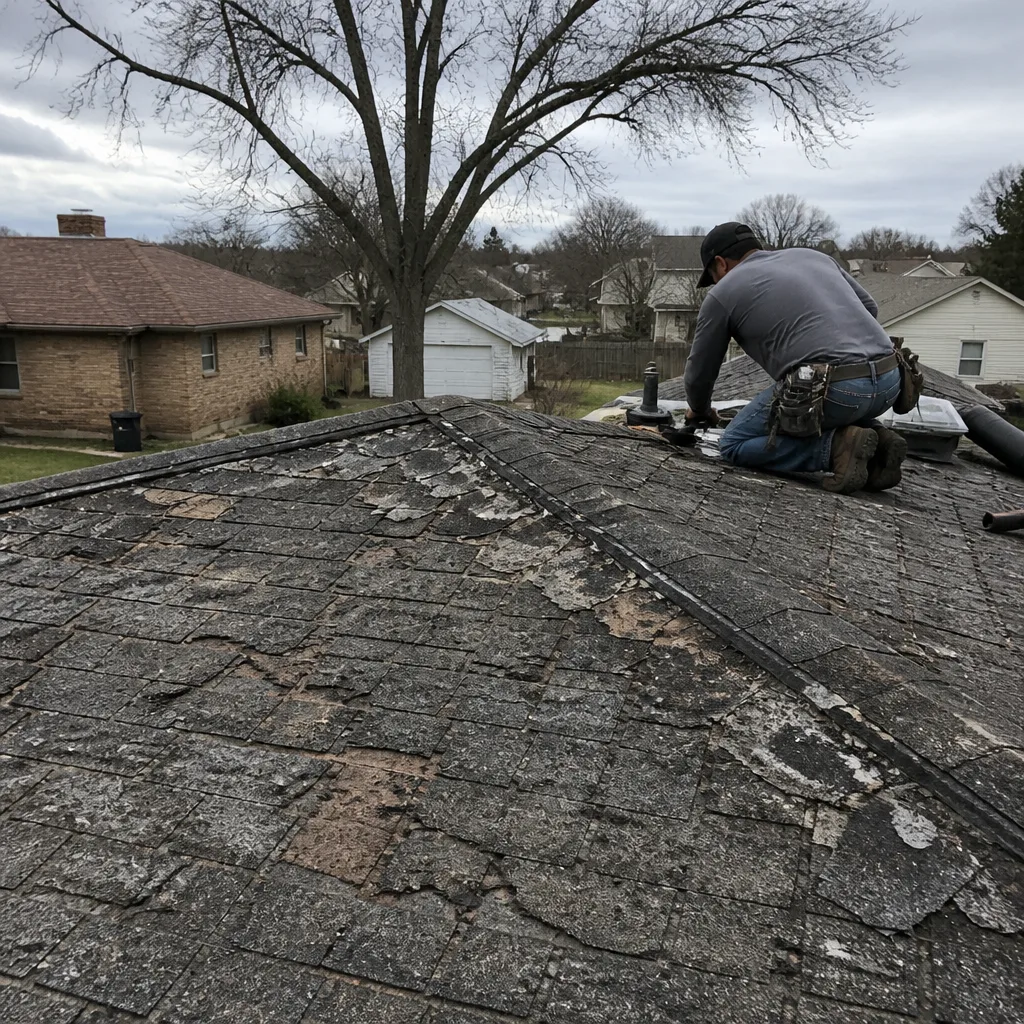 Before
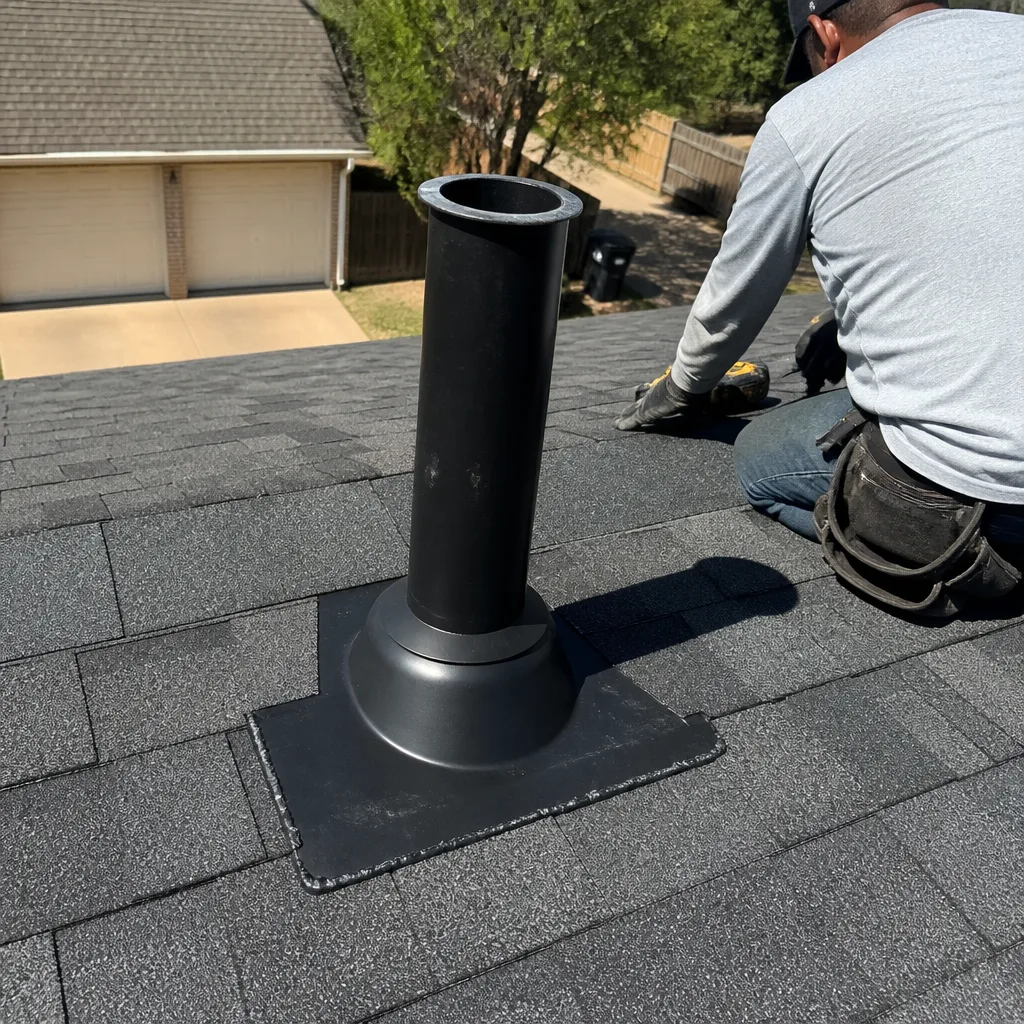 After
After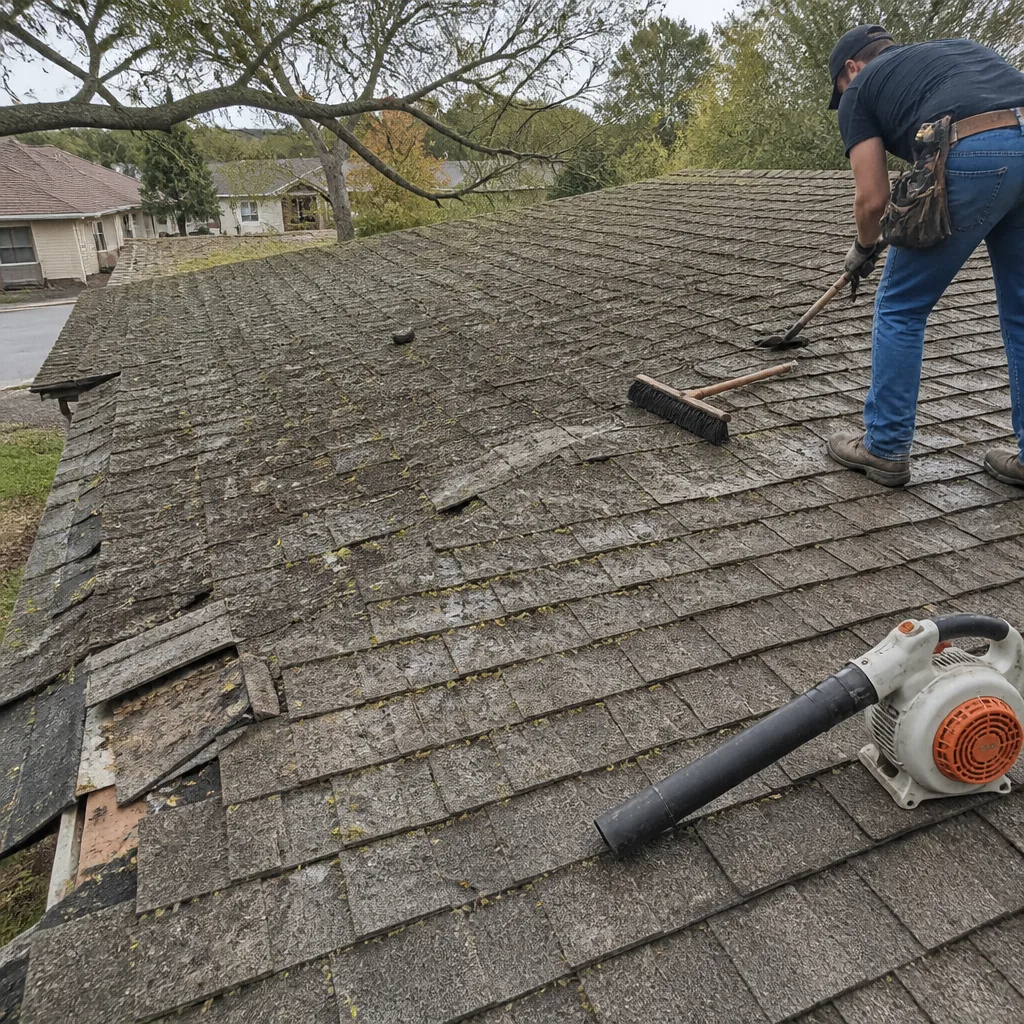 Before
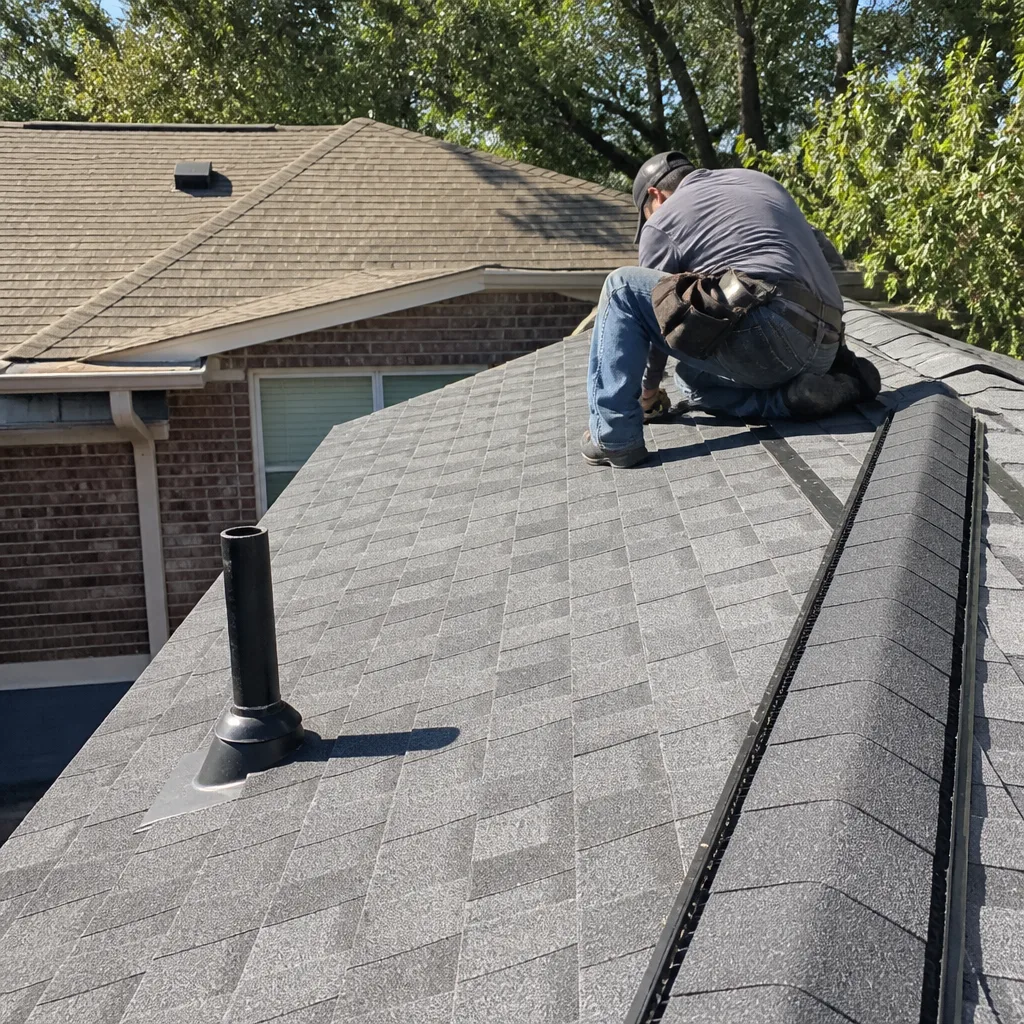 After
After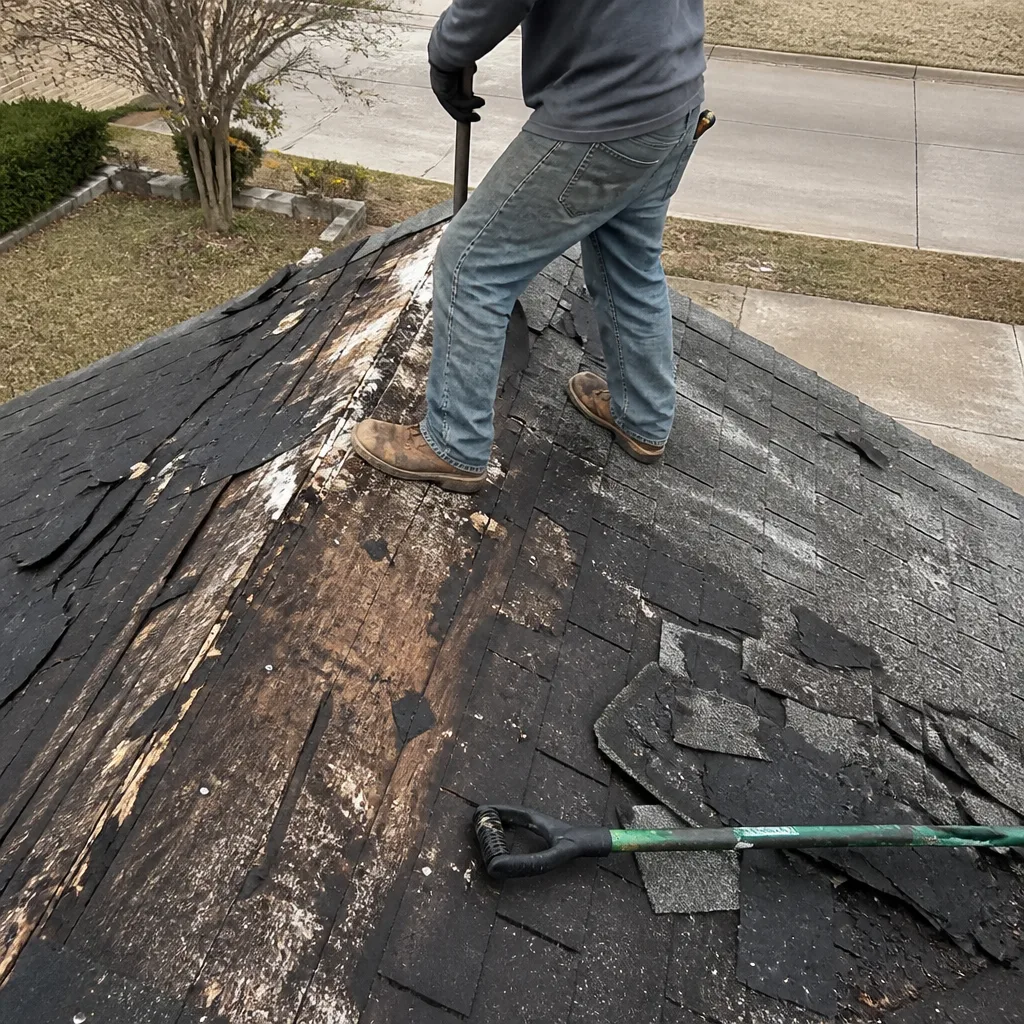 Before
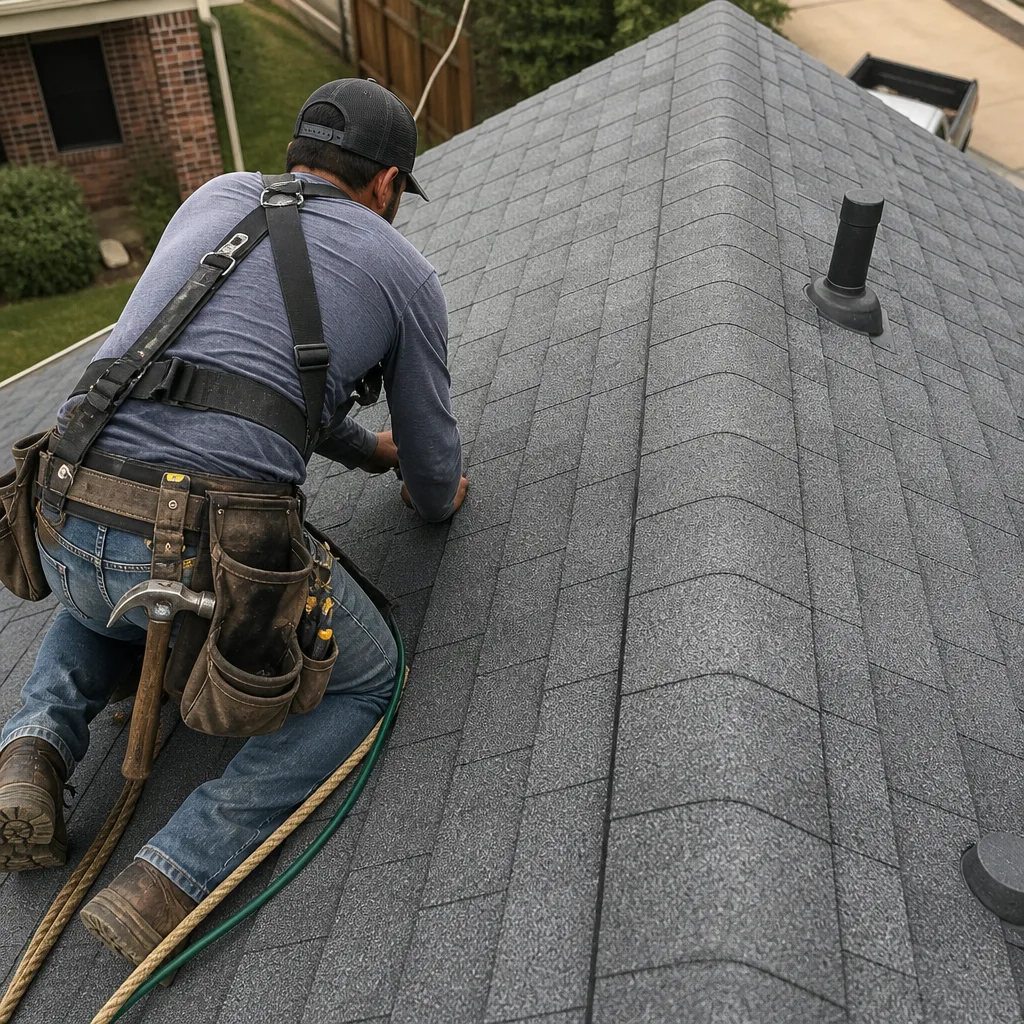 After
AfterDIY or Call Us?
Ridge vent replacement is one of the safer roof projects, but it still means working at the highest point of the house on a ladder leaning against the fascia. The dangerous part isn’t the vent. It’s the transition from ladder to roof plane, especially on a 8/12 pitch when the shingle granules are loose underfoot. If you’re comfortable on a roof and have a helper to hold the ladder, you can visually inspect the damage yourself: look for cracked plastic, missing cap shingles, clogged filter fabric from below in the attic. That inspection costs you nothing and gives you real information before anyone quotes you a number.
Where DIY goes sideways is the install. Cutting the ridge slot wider to fit a new vent profile, sealing the ends against wind-driven rain, and laying cap shingles so they don’t tear off at 60 mph in a spring storm line. That’s decking, flashing, and nailing work where a mistake leaks into your living room. If you’d rather know it’s done right from the first nail, call us at (903) 499-4275. Price before we touch it. That’s just how a roof conversation ought to start.
FAQs
Plan on 12 to 18 years for the plastic vent channel in North Texas heat, and 20 to 25 for the cap shingles if the roof was installed correctly. The plastic degrades first because our summer sun hits it harder than most climates. If your vent is over a decade old and you’re seeing symptoms, a proactive swap costs less than a water damage repair. Call (903) 499-4275 and we’ll inspect it while we’re up there.
Sometimes, but it depends on the failure. A torn section of filter fabric or a short crack in one 4-foot channel can be patched or swapped without redoing the whole run. Once the plastic has gone brittle across multiple sections, a piecemeal fix will fail again within a season, and you’ll pay twice. We’ll show you the condition honestly and give you a repair number and a replacement number, so you choose with full information.
A standard ridge vent replacement takes one day, usually 4 to 6 hours from setup to cleanup. Longer ridge lines, steep pitch, or rot repair at the peak edge can push it into a second day. We’ll tell you the expected timeframe when we quote it, in writing, before you commit to anything.
We stock CertainTeed-compatible ridge vent material on our trucks in Dallas for the most common roof widths and ridge lengths. If your run is unusually long or your cap shingle color is uncommon, we’ll pull material from our supplier the same week. We also carry ridge vent parts from GAF and Owens Corning if your roof uses a different manufacturer, so you’re not locked into a single brand decision.
Call for a Free Estimate
If your CertainTeed ridge vent is failing or you just want a professional eye on it before the next storm season, call Tilehurst Roofing Dallas at (903) 499-4275. A live person answers, day or night. We’ll schedule a time that works, Greg Holloway will walk the roof himself, and you’ll have a written number in your hand before any work begins. No voicemail. No callback queue. No surprises when the invoice arrives.
Written by Greg Holloway, Owner, Tilehurst Roofing Dallas at Tilehurst Roofing Dallas, serving Dallas and nearby areas.