
Last updated October 17, 2026
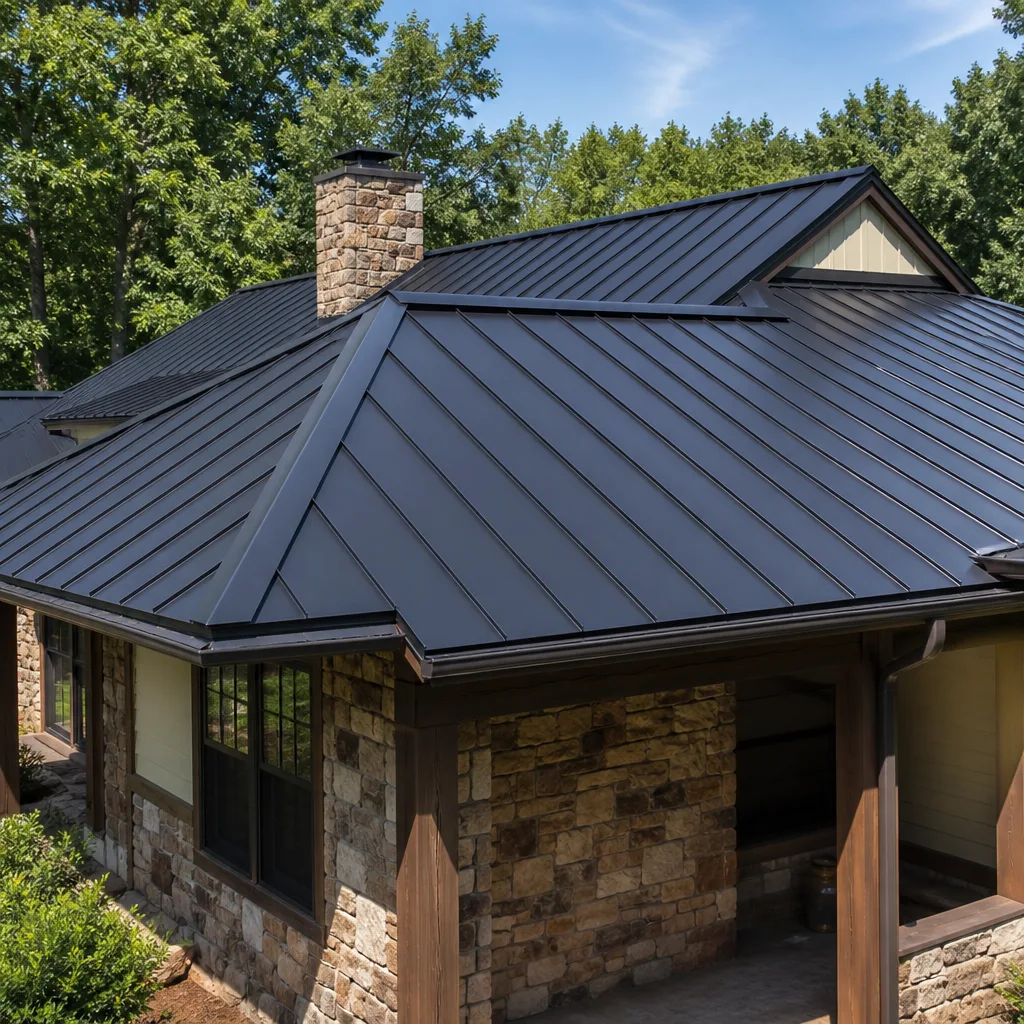 Metal roofing
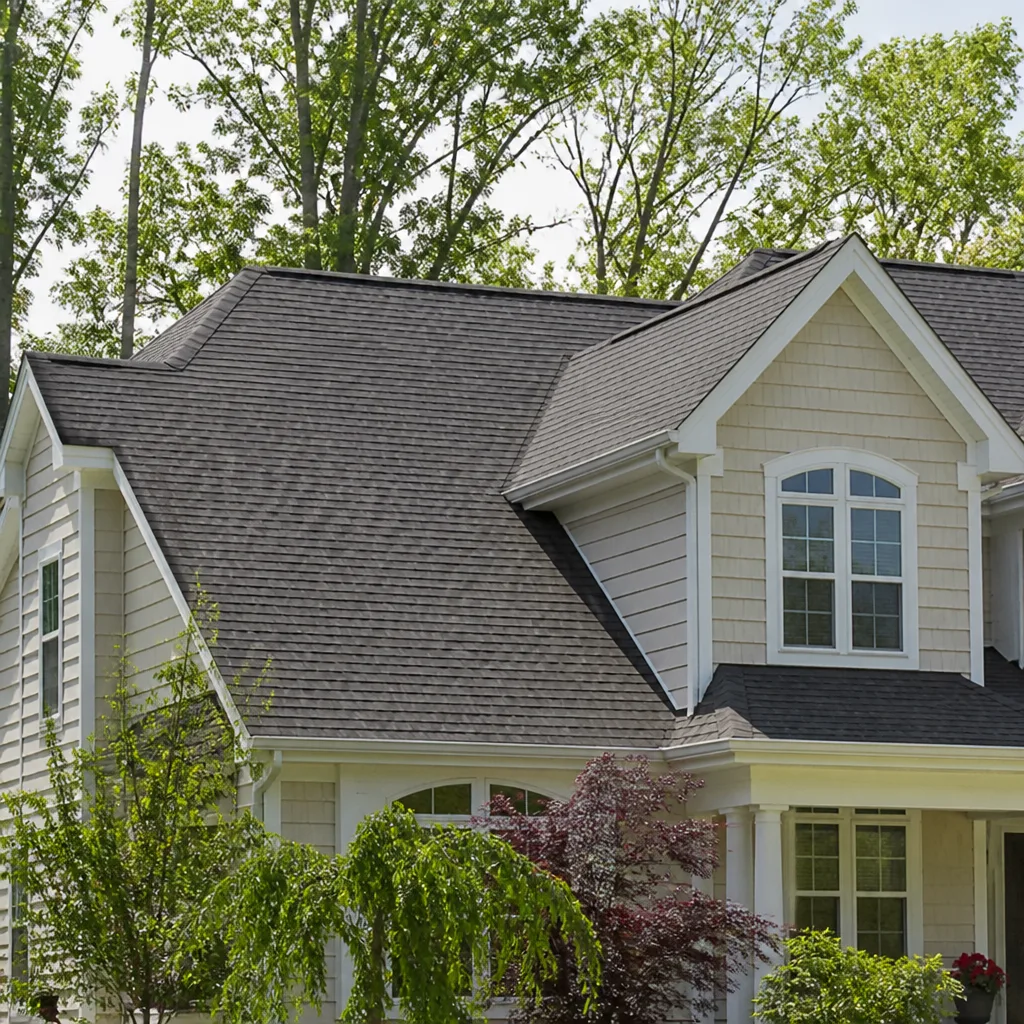 Architectural shingles
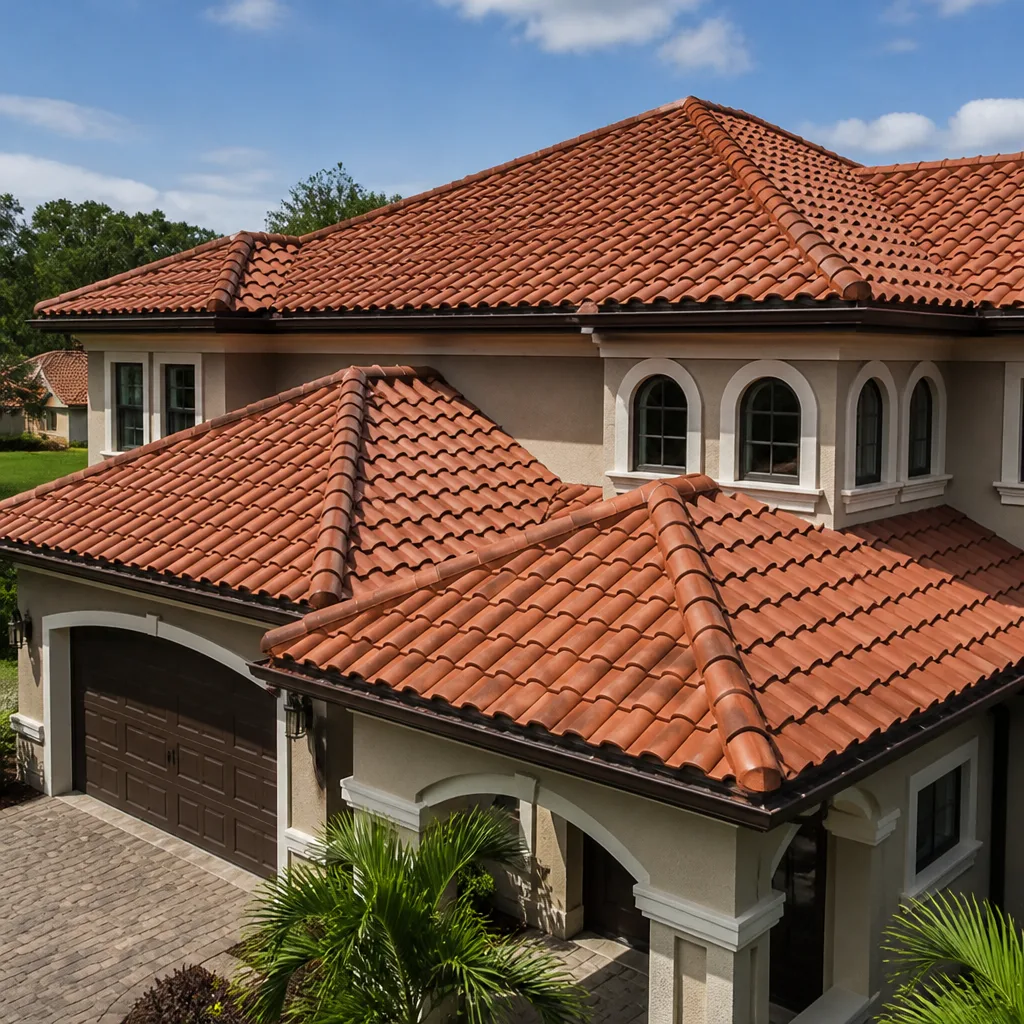 Tile roofing
 GAF
GAF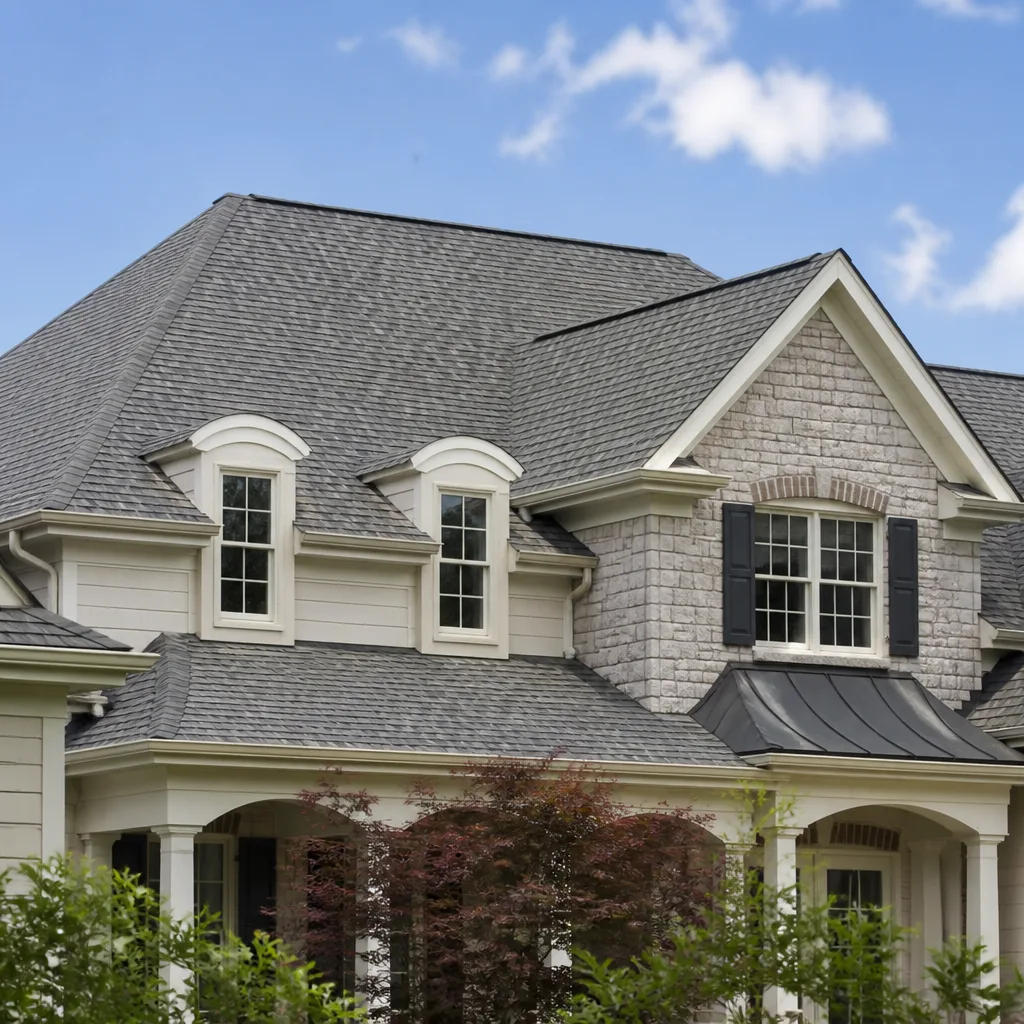 Owens Corning
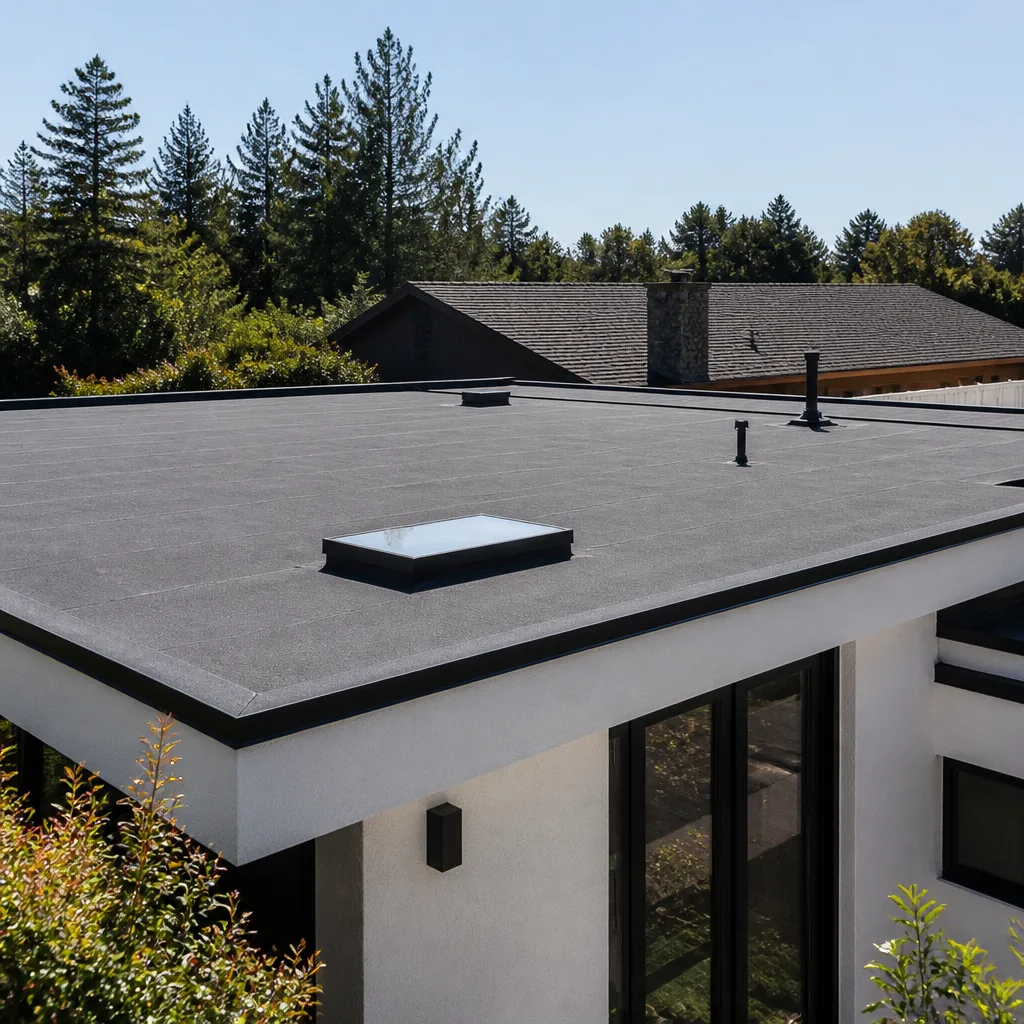 Flat & low-slope
Free roof inspection with deck photos before we talk money - GAF and Owens Corning certified installation
DIY vs Professional Roofing: The Dallas Homeowner’s Decision Guide
The do-it-yourself roofing debate in Dallas usually starts and ends with money. A homeowner sees a quote for $14,000 and thinks, “I can tear that off myself for $4,000 in materials and a weekend.” Here’s the counterintuitive part: a Dallas homeowner who replaces their own roof to save $8,000 in labor may unknowingly void a $22,000 manufacturer warranty and create an undisclosed material defect that surfaces at closing when they sell the house. This guide walks through the real math, the legal fine print, and the specific tasks where DIY genuinely makes sense in Dallas so you can make a decision based on liability, not just sticker price. For how to hire a roofing contractor in Dallas: a step-by-step guide, see our companion resource.
Quick Answer
For full roof replacements in Dallas, hiring a licensed professional is almost always the correct financial and legal decision because Texas requires city inspections even on self-performed work, and most shingle manufacturers void their material warranties without certified installer documentation. DIY is genuinely appropriate for a narrow set of tasks: gutter cleaning, attic insulation top-up, sealing exposed nail heads, and clearing debris after storms. Anything involving underlayment, flashing, decking, or shingle installation belongs with a professional whose work carries a written guarantee.
Styles & brands we work with
Table of Contents
- What Texas Law Actually Says About DIY Roofing
- How Self-Installation Voids Manufacturer Warranties
- Dallas Permits and the Inspection Reality
- The Genuine DIY-Appropriate Zone
- The Real Break-Even Analysis in Dallas
- What Your Homeowner’s Insurance Policy Says
- Common Mistakes to Avoid
- When to Call a Professional
- Frequently Asked Questions
What Texas Law Actually Says About DIY Roofing
Texas does not require a state roofing license for residential work. There is no Texas Department of Licensing and Regulation roofer’s exam, no state-issued roofing credential. That surprises most homeowners, and it leads many to assume DIY roofing is therefore unregulated and perfectly legal in all cases. That assumption is only half right.
Texas Property Code Section 27.002 contains what’s called the “homestead exemption” for residential construction. It allows a homeowner to act as their own contractor on their primary residence without holding a contractor’s license. But the exemption is conditional. Four conditions must be met for it to actually protect you:
- The property must be your primary homestead. Rental properties, flips, investment houses, and second homes do not qualify. If you put a roof on a rental in Oak Cliff or a flip in Lakewood, you are acting as an unlicensed contractor.
- The work must be performed by you or unpaid family members. The moment you pay a friend $20 an hour to help, that person is acting as an unlicensed subcontractor, and the exemption no longer covers the arrangement.
- You must intend to occupy the home. If you plan to sell within a short window after the roof work, the exemption’s intent clause gets murky, and a buyer’s home inspector will scrutinize every seam.
- The work must still meet local code. The exemption does not waive building codes. In Dallas, that means the International Residential Code as adopted by the city, plus Dallas-specific amendments.
In our experience doing roof replacement in Dallas, most homeowners who attempt a full self-install and later run into trouble did not run afoul of state law. They ran afoul of the fourth condition: code compliance and the city inspection that enforces it.
How Self-Installation Voids Manufacturer Warranties
This is where the DIY roofing math in Dallas falls apart. The shingle manufacturer warranty you see on the package at the big-box store is not the same warranty a professional roof carries. The material warranty language from GAF, CertainTeed, Owens Corning, IKO, and the other major shingle makers contains installation requirements that a weekend DIY job simply cannot satisfy.
GAF’s Golden Pledge and Silver Pledge warranties, for example, require installation by a GAF-certified contractor. CertainTeed’s SureStart Plus and Integrity Roof System warranties require certified installation and an inspection. Owens Corning’s System Protection and Preferred Protection warranties are only issued when a certified Owens Corning Roofing Contractor installs the full system, including underlayment, starter strip, and ridge cap. IKO’s Iron Clad and Gold performance warranties carry similar language.
What does this mean if you install shingles yourself? The shingles still carry the basic material defect warranty, which typically covers manufacturing errors for a prorated period. But the “lifetime” warranty language that covers labor, labor and materials, wind uplift above a certain threshold, and algae resistance? That coverage is void without certified contractor documentation. A $22,000 roof system with a 50-year warranty becomes a pile of shingles with a 10-year prorated materials-only guarantee, and even that can be denied if the manufacturer determines installation errors caused the failure. An expert in roof repair in Dallas can confirm: manufacturers deny claims on self-installed roofs routinely, and the homeowner has no recourse.
- Self-installation typically voids: wind coverage above 60 mph, algae warranty coverage, labor and materials coverage, workmanship warranty extensions, and transferability to a future buyer.
- Self-installation typically retains: a prorated material defect warranty that decreases annually and is rarely worth the claim paperwork by year 10.
Dallas Permits and the Inspection Reality
Dallas requires a building permit for full roof replacements. That applies to a professional crew and it applies to you. The city’s Development Services Department requires a permit application, a plan review for certain roof types, and a final inspection before the project closes. The permit fee for a typical residential reroof in Dallas runs between $100 and $300 depending on the roof’s square footage and the number of inspections required.
Here is the practical implication most DIY guides skip: a homeowner-performed roof in Dallas must still pass a city inspection. The inspector will check nailing patterns, fastener penetration, underlayment lap, flashing detail at penetrations and valleys, drip edge installation, and ventilation. If the inspector fails the roof, you cannot legally sell the house with that open permit, and your insurance carrier may decline to renew the policy. You then spend more money hiring a professional to correct the work, which often costs more than if they had done the whole job from the start because the tear-off is already done and the corrections require surgical removal.
We’ve seen this exact sequence play out in neighborhoods across Dallas, from Preston Hollow to Casa View to Kessler Park. A homeowner tears off, installs, gets red-tagged by the inspector for improper nailing or missing drip edge, and then calls a roofing company in Dallas to fix what should have been done right the first time.
The Genuine DIY-Appropriate Zone
None of this means you should never touch your roof. There is a real do-it-yourself zone in Dallas roofing, and it’s bigger than most professionals will admit. The tasks below are genuinely appropriate for a careful homeowner with basic tools, and none of them void a warranty or require a permit.
- Gutter cleaning and unclogging downspouts. Dallas gets intense spring and fall rain events, and clogged gutters cause fascia rot and soffit damage. Cleaning them twice a year is safe, free, and genuinely preventive.
- Attic insulation top-up. The roof’s thermal performance depends on attic insulation. Adding blown-in cellulose or fiberglass batts on top of existing insulation is straightforward and does not touch the roof system itself.
- Sealing exposed nail heads with roofing cement. Over time, roofing nails pop up slightly due to thermal expansion. A tube of roofing cement dabbed over an exposed nail head is a legitimate DIY repair that can prevent a leak.
- Clearing storm debris. After a Dallas hailstorm or wind event, tree branches and debris accumulate on the roof. Removing them with a ladder and a push broom prevents moisture traps and granule loss.
- Visual inspection from the ground or gutter line. You don’t need to walk the full slope to spot missing shingles, lifted ridge caps, or visible flashing damage. Binoculars from the yard work fine.
What belongs with a professional, every time: anything involving underlayment, flashing at chimneys or skylights, valley metal, decking replacement, ridge cap installation, or shingle installation. Those components are the roof. They carry the manufacturer warranty only when installed to spec by a certified crew.
The Real Break-Even Analysis in Dallas
Let’s put real numbers on the DIY versus professional decision in Dallas. A typical 2,200-square-foot single-story home with a 3,000-square-foot roof will use roughly 30 squares of shingles. Here’s what each path actually costs.
The professional path: A full architectural shingle replacement in Dallas runs $450 to $650 per square installed, depending on the shingle brand, roof pitch, and the condition of the decking. For a 30-square roof, that’s $13,500 to $19,500, including tear-off, underlayment, drip edge, flashing, ridge cap, and warranty.
The DIY path: Materials for the same roof run $3,800 to $5,500 for architectural shingles, underlayment, drip edge, nails, and ridge cap. Tool rental for a shingle nailer, compressor, and tear-off equipment runs $400 to $800 for a week. Dumpster rental for the old shingles runs $300 to $500. The permit costs $100 to $300. Now factor the DIY waste rate: professional crews run 3 to 5 percent material waste; a first-time DIY installer averages 15 to 20 percent waste from miscuts, dropped shingles, and misjudged starter courses. That adds $600 to $1,100 in extra material cost. Total DIY outlay: $5,200 to $8,200. That looks like a $5,000 to $11,000 labor savings.
But subtract the manufacturer warranty you voided, which on a 50-year architectural shingle system represents $4,000 to $6,000 in protected labor and material coverage over the life of the roof. Subtract the time cost: a professional crew of four finishes in two days; a solo DIYer with no experience takes two to three weeks, during which the roof is under construction and exposed. And subtract the risk premium: if the city inspector red-tags the work, you will pay a professional to redo sections, and that correction work runs higher per square than a clean full job.
The honest break-even? If your DIY job goes perfectly, you save maybe $3,000 to $5,000 over 25 years. If anything goes wrong, you lose money, and you lose it fast. In Dallas, where hail claims and wind events are annual certainties, an improperly installed roof fails quickly and visibly.
What Your Homeowner’s Insurance Policy Says
Texas homeowner’s insurance policies are not uniformly written, but most standard HO-3 policies in Dallas contain language that matters here. The policy typically requires the homeowner to maintain the roof in good repair, and it excludes coverage for damage caused by faulty workmanship. If a DIY roof leaks and rots the decking, the insurance carrier will likely deny the claim on the grounds that the loss was caused by installation error, not by a covered peril. A professional installation with a written workmanship warranty gives you a separate avenue for recourse.
There is also the disclosure issue at resale. Texas sellers are required to disclose known material defects on the Seller’s Disclosure Notice. If you installed your own roof and it leaked six months later, you now have a known material defect. Disclose it, and the buyer may walk or demand a credit. Don’t disclose it, and you have a lawsuit. Neither outcome saves you money.
This is the frame we want you to adopt. The DIY-versus-professional debate in Dallas is not about whether you can drive a nail. It’s about who carries the liability when the nail leaks. A professional company that puts a written guarantee on every repair and replacement carries that liability. A homeowner DIY carries it alone.
Common Mistakes to Avoid
- Assuming the Texas homestead exemption means no inspection. The exemption waives the contractor license requirement, not the building code. Dallas still requires a permit and a final inspection on a full reroof, even if you do it yourself.
- Buying shingles from a big-box store and assuming the lifetime warranty applies. The warranty on the package is not the warranty on the roof. Certified installer documentation is the difference between a 50-year system warranty and a prorated material-only warranty.
- Underestimating the tear-off. A 30-square roof produces several tons of old shingles, felt, and nails. Disposal is not a “throw it in the truck” job. DIYers routinely underestimate dump fees and hauling logistics.
- Installing over existing shingles. Dallas code generally prohibits reroofing over more than one layer, and installing over an old layer hides decking rot and accelerates shingle failure. A professional will almost always recommend a full tear-off.
- Ignoring attic ventilation. A roof is a system: decking, underlayment, shingles, ridge cap, intake vents, exhaust vents. DIY installs frequently omit or miscalculate ventilation, which voids shingle warranties and cooks the shingles from underneath in a Dallas summer.
- Walking the roof without fall protection. This one is simple. Two-story roofs in Dallas are 20 to 25 feet at the eave. A fall from that height can be fatal. We have responded to homeowners who fell off their own roofs trying to save a few hundred dollars. The hospital bill exceeded the roof quote.
- Trusting a storm chaser to beat the DIY price. A low bid from an unlicensed out-of-town crew can produce the same voided warranty and failed inspection as a DIY job, with the added bonus that the crew is gone before the problems surface.
When to Call a Professional
Call a professional if you see missing shingles after a Dallas hailstorm, water staining on a ceiling, granule loss in the gutters, lifted or cracked ridge caps, flashing pulling away at a chimney or skylight, or any visible decking from inside the attic. Any one of these is a sign that the roof’s water-shedding surface has been compromised, and a roof leak in Dallas moves fast through insulation, drywall, and framing. Call a professional if you are planning to sell within three years, because an undisclosed or visible DIY reroof becomes a negotiating point for the buyer’s inspector. And call a professional if you have any doubt about your own safety, your ability to meet code, or the warranty implications of self-installation.
Tilehurst Roofing Dallas offers free estimates across Dallas and the surrounding metros. We put the written price in your hands before any work begins, and every repair carries a written guarantee that a repair crew returns to correct at no charge if it fails inside the guarantee period. Call (903) 499-4275 to schedule a free estimate, or explore our Tilehurst Roofing Dallas home page to see how the Kingswell Way works.
Frequently Asked Questions
Yes, Texas law allows a homeowner to self-perform roofing work on their primary homestead under the Property Code homestead exemption, but the work still requires a Dallas city permit and must pass a final city inspection. Rental properties, investment homes, and paid helpers are not covered by the exemption. Call (903) 499-4275 if you want a professional to handle the permit and inspection for you.
Most architectural shingle roof replacements in Dallas run $450 to $650 per square installed, which puts a typical 30-square roof at $13,500 to $19,500 including tear-off, underlayment, flashing, and manufacturer warranty documentation. Asphalt shingle repairs on smaller sections typically run $350 to $900 depending on the size and location of the damage. Call (903) 499-4275 for a written quote on your specific roof, free of charge.
Yes, in almost every case, the enhanced warranty coverage from GAF, CertainTeed, Owens Corning, and IKO is void without installation by a certified contractor, and the basic material warranty will not cover failures caused by installation errors. A professional installation preserves the full warranty, including wind and algae coverage. Call (903) 499-4275 to ask about manufacturer-certified installation in Dallas.
If the roof fails due to faulty workmanship, your insurance carrier will likely deny the claim on the grounds that installation error is not a covered peril, and the carrier may decline to renew the policy if the roof does not meet code. A professional installation with a written workmanship guarantee gives you a separate path for corrections that insurance never covers. Call (903) 499-4275 to schedule a free estimate and keep your policy intact.
Gutter cleaning, attic insulation top-up, sealing exposed nail heads with roofing cement, and clearing storm debris are all safe, warranty-neutral DIY tasks that any Dallas homeowner can handle with basic tools, as outlined in our roofing company maintenance checklist for Dallas homeowners. Anything involving shingles, underlayment, decking, flashing, or ventilation should be left to a professional crew whose work carries a written guarantee. Call (903) 499-4275 for advice on your specific situation, no charge.
A typical 30-square tear-off and architectural shingle replacement in Dallas takes two to three days for a professional crew, weather permitting, and the city inspection usually follows within a few days of completion. A solo DIY install of the same roof typically takes two to three weeks. Call (903) 499-4275 to get a written timeline for your roof, along with a fixed price before any work starts.
The Bottom Line
The DIY-versus-professional roofing decision in Dallas is not about whether you’re handy. It’s about who carries the liability when Texas hail, wind, and heat find the weak point in the installation. A self-installed roof saves labor dollars up front but voids the manufacturer warranty that protects the material, creates an insurance claim risk, and becomes a disclosure event when you sell. The DIY-appropriate tasks are narrow and real: gutters, insulation, debris, exposed nails. Everything else belongs with a professional crew that puts the price in writing before the first nail goes in and the guarantee in writing before they leave the driveway. Tilehurst Roofing Dallas operates that way on every job. Call (903) 499-4275 for a free estimate.
Written by Greg Holloway, Owner at Tilehurst Roofing Dallas, serving Dallas since 2000.
See the difference
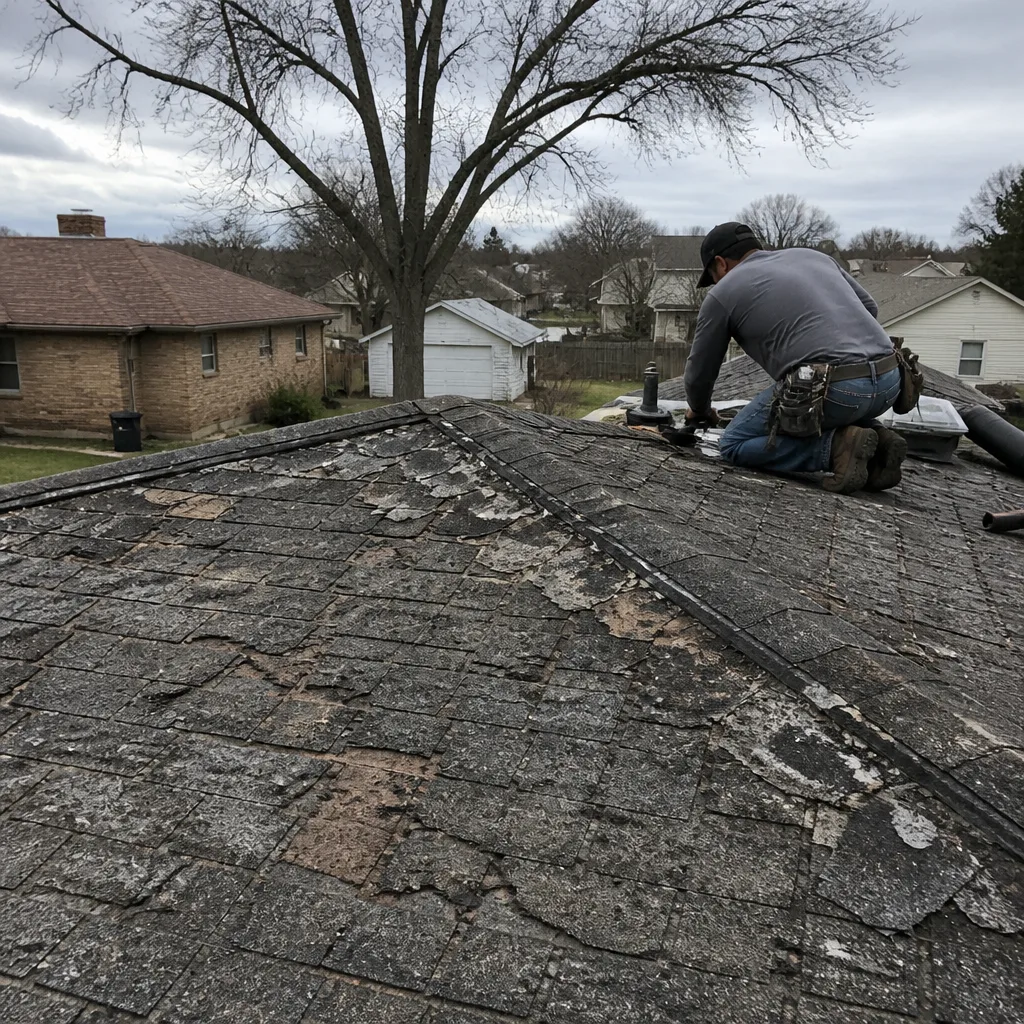 Before
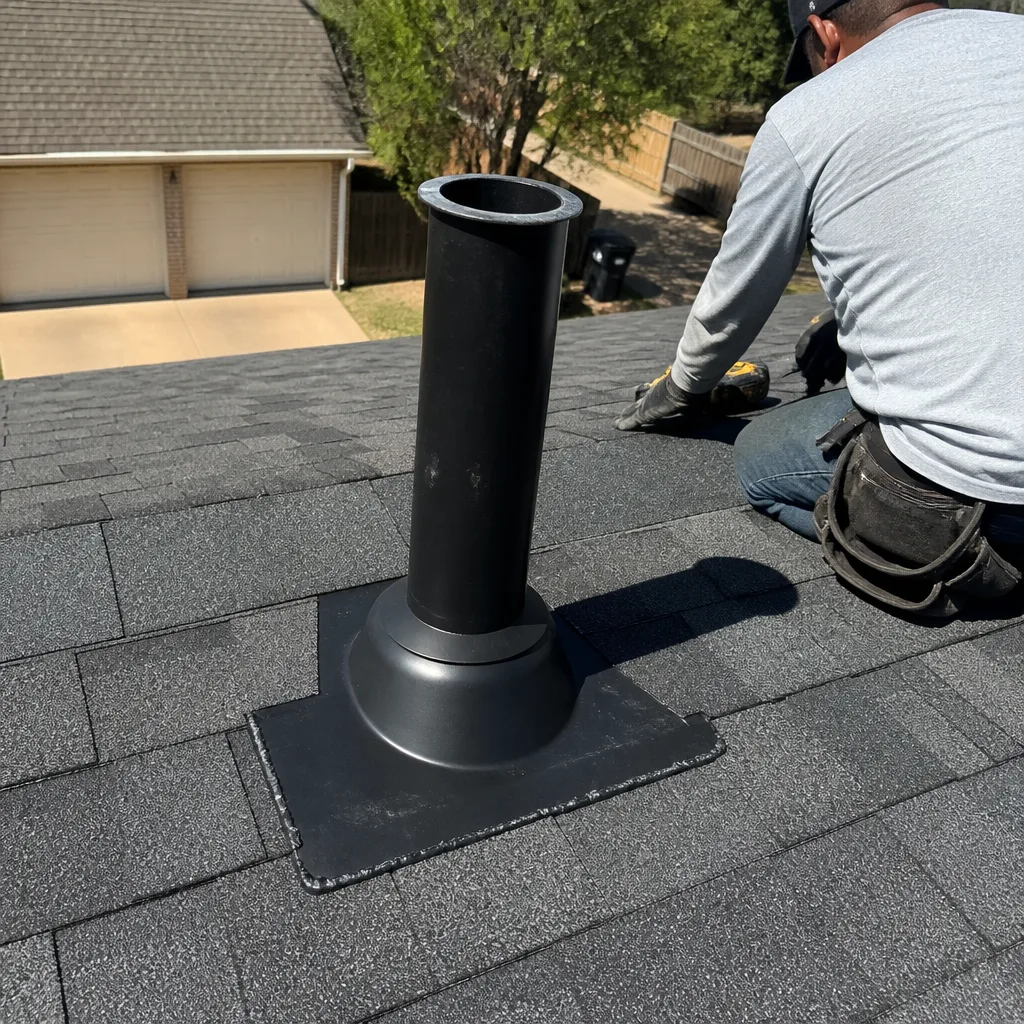 After
After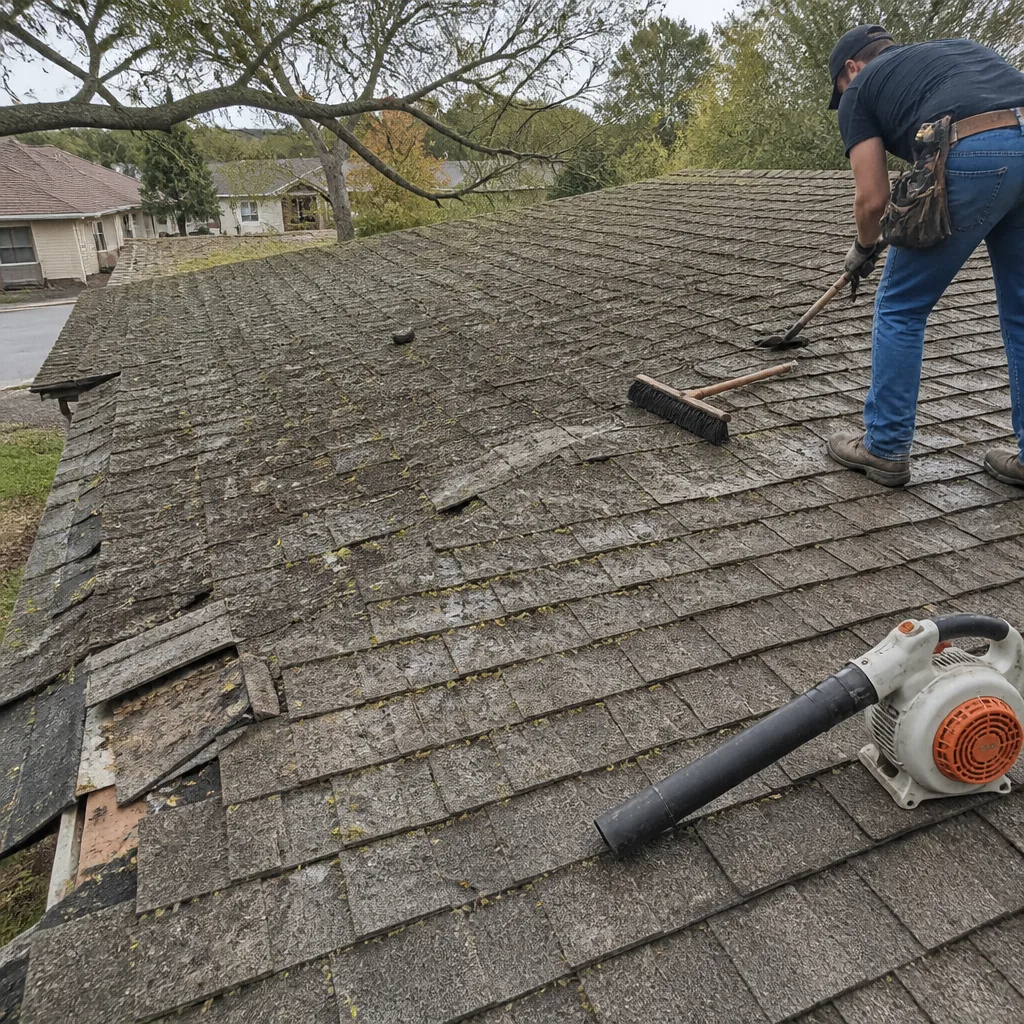 Before
 After
After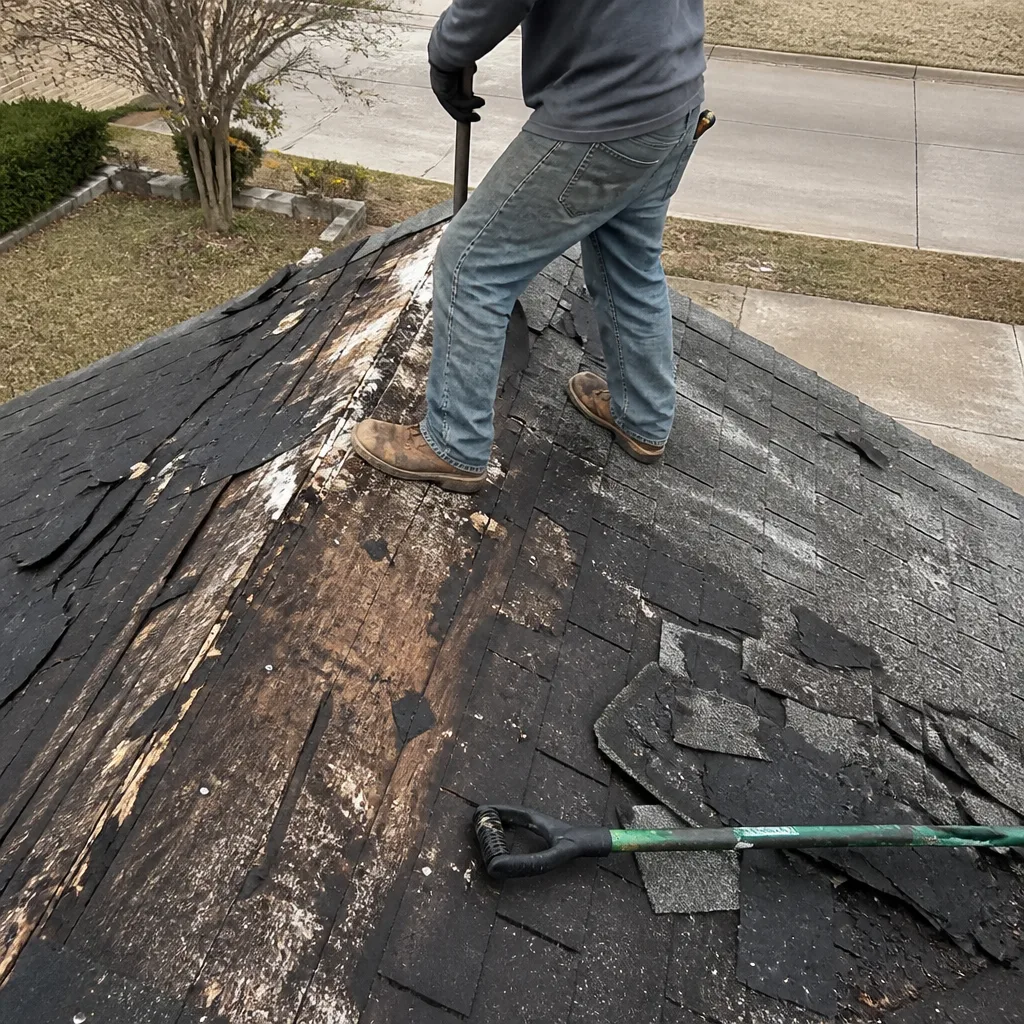 Before
 After
After